
Lightest shade
70% VLT
Black 70%Black series
IR 950 —
IR 1400 —
UV —
No warranty1 milHot-melt dyed

This is a privacy and appearance product, and we sell it as one. Twelve of the fifteen models carry no heat-rejection figure because none is claimed — the three that do are published with measured data. Everything on this page is what our laboratory actually recorded.
 35%VLT
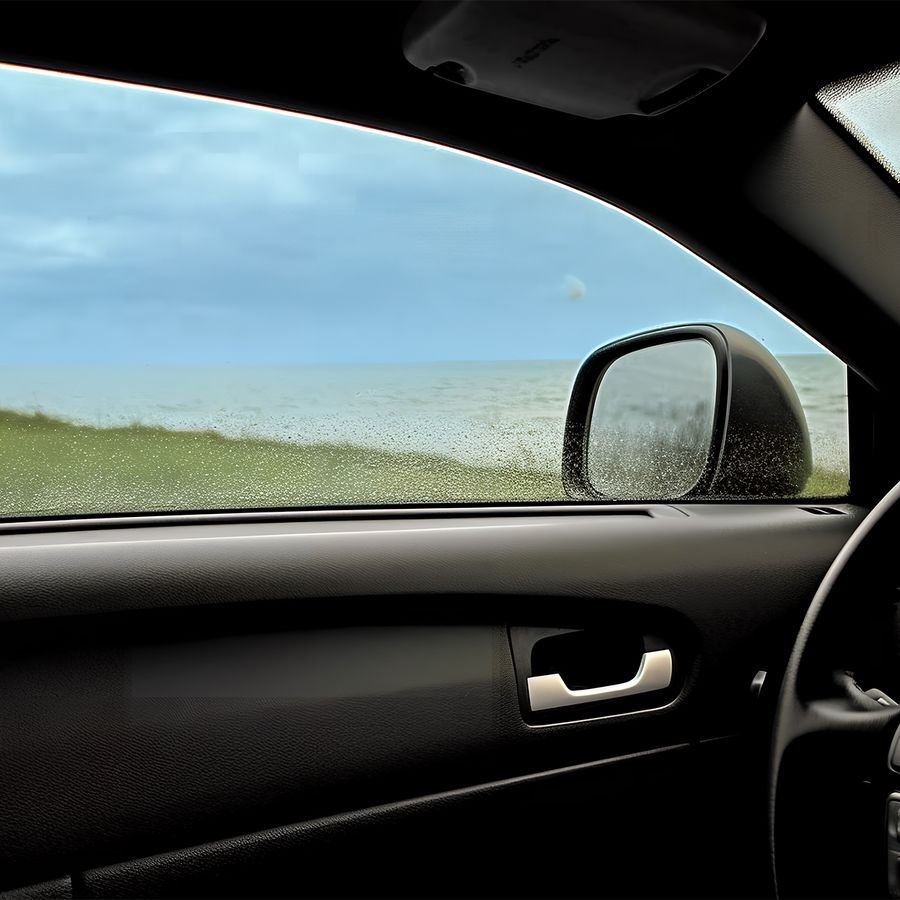
Black 35% · 35% VLT. The mid shade. Hot-melt dyed, 1 mil, sold for privacy and glare — no heat figure is published for the Black range.
The swatch shows how dark the glass actually looks. Where a film carries measured infrared and ultraviolet figures, the bars show them; where the catalogue has no data, the track is left hatched rather than filled with an estimate. Three of these fifteen carry heat data.
15 of 15 shades shown
Catalogued as 20%. Measures 18% VLT.
Catalogued as 01%. Measures 2% VLT.
No dyed shade matches that combination. Widen the shade band, or ask us — we run custom shades.
The same fifteen shades as numbers. Blank cells are blank in our 2025 catalogue too — we have not run those tests on the Black and Tinted ranges, because they are not sold on those figures.
| Model | VLT | IR 950 nm | IR 1400 nm | UV | Thickness | Warranty | Family | |
|---|---|---|---|---|---|---|---|---|
| Black 70% | 70% | — | — | — | 1 mil | Not published | Black | |
| SP-70 | 70% | 21% | 16% | 99% | 2 mil | 3 yr | SP | |
| Black 50% | 50% | — | — | — | 1 mil | Not published | Black | |
| Black 35% | 35% | — | — | — | 1 mil | Not published | Black | |
| Black 20%Catalogued 20%, measures 18% | 18% | — | — | — | 1 mil | Not published | Black | |
| SP-18 | 18% | 55% | 45% | 99% | 2 mil | 3 yr | SP | |
| Black 10% | 10% | — | — | — | 1 mil | Not published | Black | |
| Black 05% | 5% | — | — | — | 1 mil | Not published | Black | |
| SP-05 | 5% | 70% | 60% | 99% | 2 mil | 3 yr | SP | |
| P-Black 05%Tinted Film, Double Layer | 5% | — | — | — | 2 mil | Not published | Tinted | |
| Black 03% | 3% | — | — | — | 1 mil | Not published | Black | |
| P-Black 03%Tinted Film, Double Layer | 3% | — | — | — | 2 mil | Not published | Tinted | |
| Black 01%Catalogued 01%, measures 2% | 2% | — | — | — | 1 mil | Not published | Black | |
| D-Black 01%Tinted Film, Single Layer | 1% | — | — | — | 1 mil | Not published | Tinted | |
| P-Black 01%Tinted Film, Double Layer | 1% | — | — | — | 2 mil | Not published | Tinted |
Values are averages obtained by our testers under our factory laboratory standard test method. If your market requires infrared or ultraviolet figures for the Black or Tinted ranges, tell us the models and we will have them measured rather than estimated — or quote nano ceramic window film, which publishes both across every shade.
Six situations a dyed film is genuinely the right answer for, and the shade we would quote against each. Where it is not the right answer, this page says so.
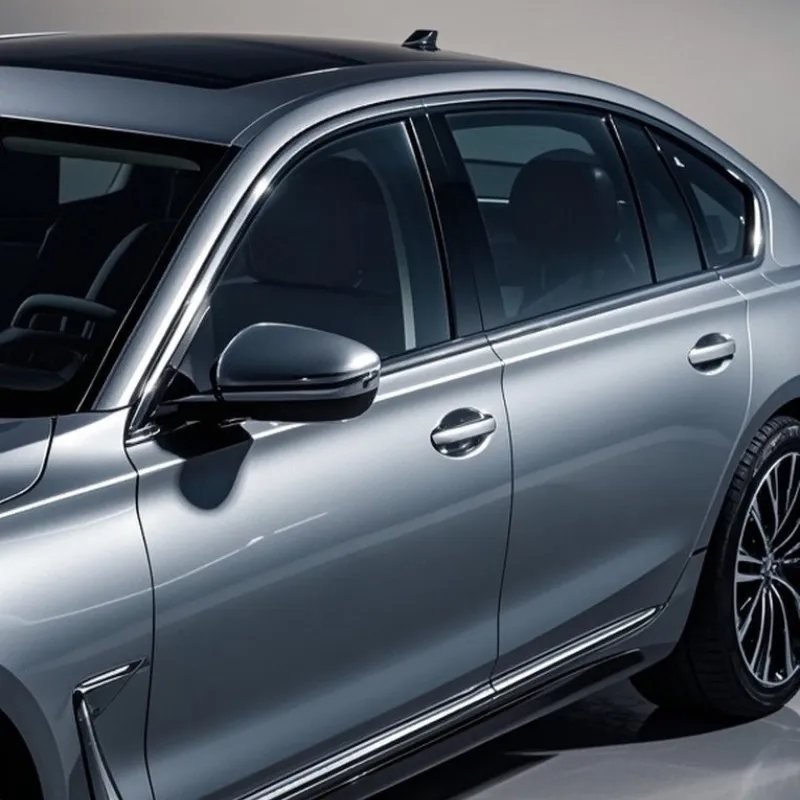
Rear and cargo glass is unregulated in most markets and this is where dyed film earns its living. Dark, cheap, fast to fit, and the customer gets exactly what they walked in for.
One mil, hot-melt dyed, precision coated. The lowest cost per square metre in our catalogue and the shade most price-led markets actually move.
Then quote the SP series, not the Black range. SP is the only dyed family we publish measured infrared and ultraviolet for — two mil, three-year warranty, 99% UV across all three shades.
Down to 1% VLT on a double-layer tinted construction. This is the darkest film in our entire catalogue, ceramic and sputtered included, and it exists because some markets ask for it.
70% VLT keeps you legal in most markets at a dyed-film price. Be straight with the customer: at this shade a dyed film is doing very little about heat, and the SP-70 data on this page shows exactly how little.
Then this is not the family. A ceramic film at the same shade rejects three to four times the infrared. Sell dyed on privacy and price; sell ceramic on comfort.

A dyed window film is polyester carrying organic dye — in our Black range, a hot-melt dyed film where the colour is taken into the polyester itself rather than coated onto it. The dye absorbs light across the visible band, so the glass goes darker and the cabin goes dimmer.
That is the whole mechanism, and it is worth being precise about what follows from it. A dye absorbs broadly and weakly. It has no way to pick out the near-infrared band and leave the visible band alone — which is exactly what a ceramic absorber or a sputtered filter is built to do. So a dyed film can only take heat out of a cabin by taking light out with it.
Dyed film is not a failed ceramic film. It is a different product solving a different problem — privacy, glare and appearance, at a price no coated film reaches.
Our dyed range runs fifteen shades in three families: the one-mil Black series from 70% down to 2%, the two-mil SP series that does publish measured infrared and ultraviolet, and the Tinted films that reach 1% VLT on a double-layer construction. All three are precision coated on the same lines as everything else we make.
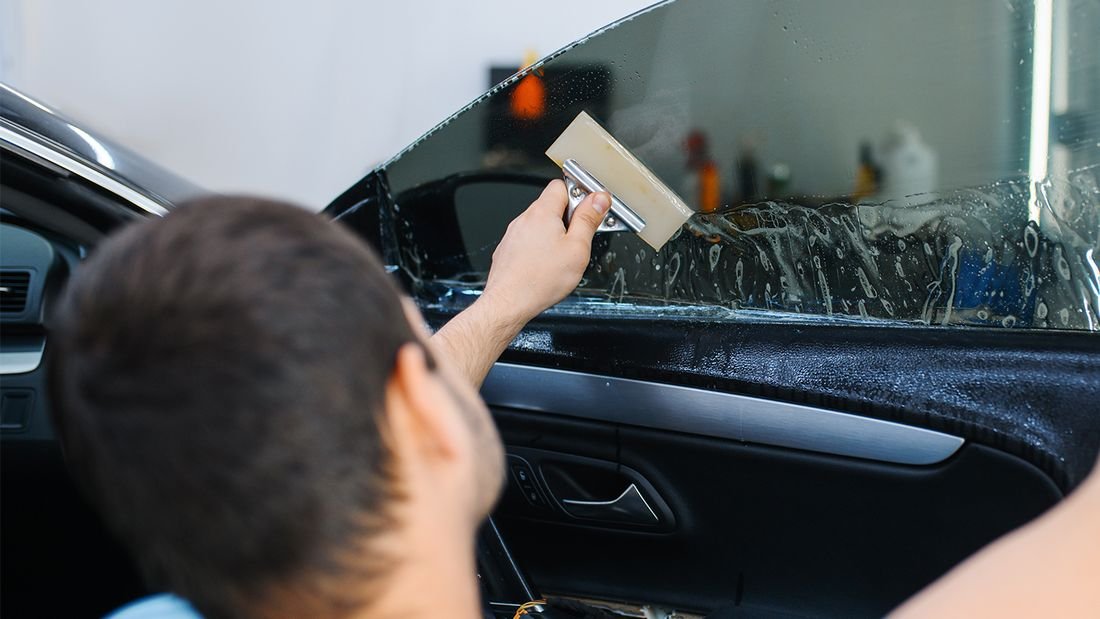
Three plates, four plates, six plates. A dyed film has no sputtered metal stack and no dispersed ceramic absorber, and the whole difference between our three families is how much dyed polyester sits in the light path. Watch each stack — the layers fall into place in the order they meet the glass.
One mil, colour taken into the polyester in the melt rather than coated onto the surface, so there is no dyed layer to scratch off. The thinnest and cheapest film we coat.
70 / 50 / 35 / 20 / 10 / 05 / 03 / 01% — no infrared or ultraviolet figure is published for this family.
The same chemistry at twice the thickness. Twice the dye in the light path is the whole reason SP is the one dyed family we can publish measured infrared and ultraviolet figures for — and it carries a three-year warranty.
SP-70 / SP-18 / SP-05 — IR 21 / 55 / 70% at 950 nm, 99% UV on all three.
Two dyed layers laminated together, which is how the range reaches 1% VLT — darker than anything in our ceramic or sputtered catalogues. The single-layer D-Black sits alongside it at 1 mil.
P-Black 01 / 03 / 05% double layer · D-Black 01% single layer.
Every one of those plates is coated on the same lines as our nano ceramic window film. What changes between the families is the recipe and the layer count, not the discipline — which is the only reason a one-mil film at this price behaves the same on roll ten thousand as on roll one.
Any film can darken glass. What a modern vehicle asks is what happens to the antennas underneath it — and that is decided by whether the darkness comes from a dye or from a layer of metal. Watch the two panels below: same shade, different radio.
Organic dye held inside the polyester. It absorbs visible light — which is exactly what the VLT column on this page measures — and it forms no conductive layer of any kind. Radio carries straight through.
Result: the shade the customer asked for, down to a measured 1% — with no effect on the vehicle’s antennas, keyless entry, tyre-pressure sensors or rear-screen defroster.
The other cheap way to darken glass is a continuous metal layer. It reflects rather than absorbs, so it also behaves as a partial Faraday shield — and a Faraday shield is not selective about which frequencies it stops.
Result: a mirror-look finish some markets dislike on sight, and the complaint an installer hears first — a weak phone signal, or a tyre sensor that drops out.
There is no metal in a dyed film — the materials list is dyed polyester and adhesive, and nothing else. That makes it transparent to radio in a way an older metallised tint never is, and it is the single specification on which the cheapest roll in our catalogue matches the most expensive. Our nano ceramic window film reaches the same result through dispersed titanium nitride rather than a continuous layer, and the sputtered window film SC run is sold as 5G ultra-clear for exactly this reason.
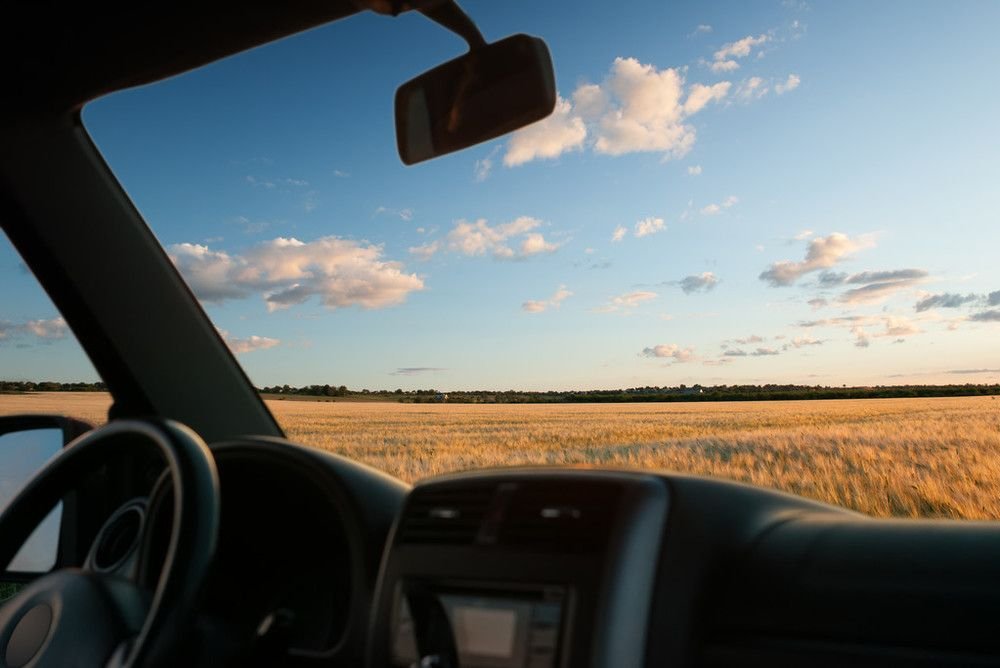
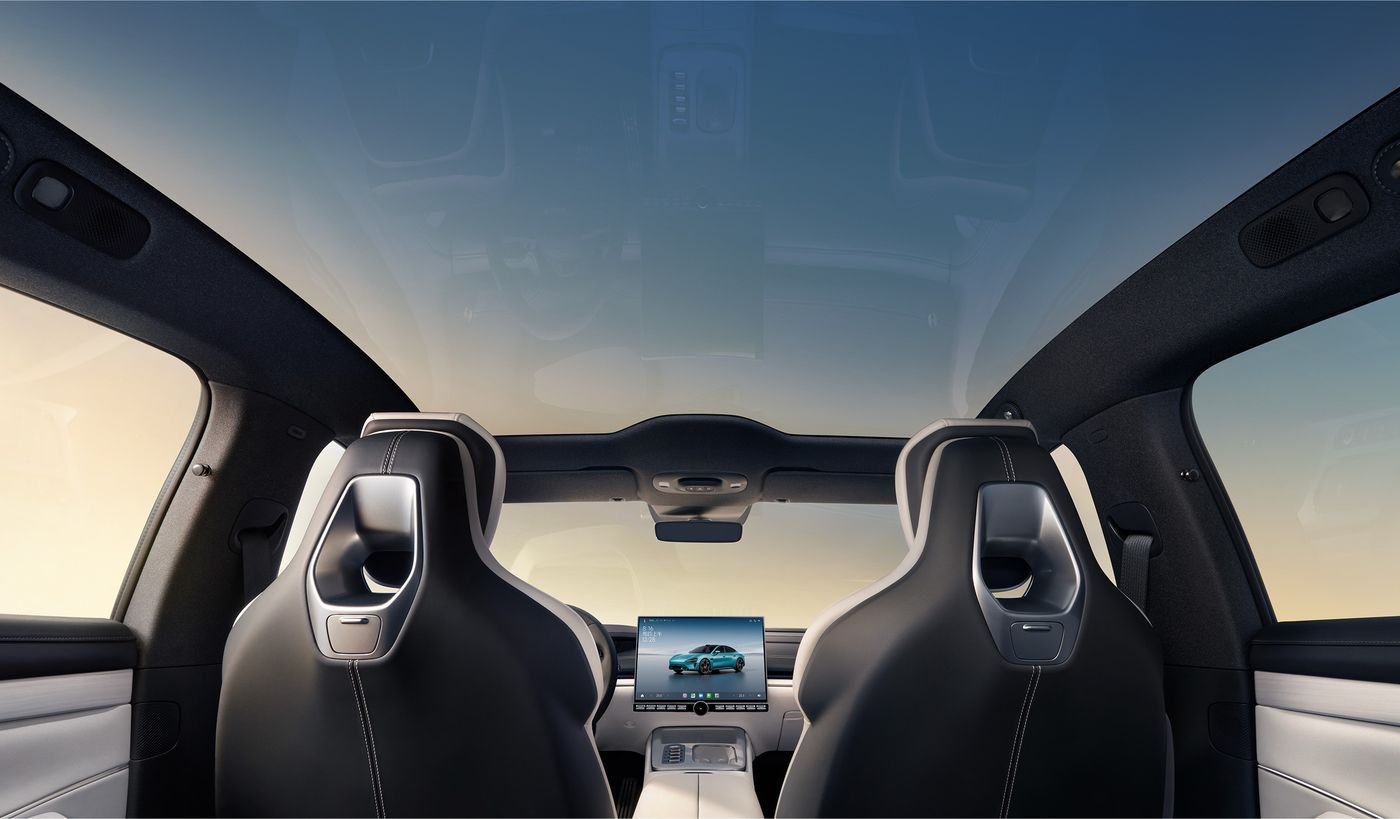
Our SP series is the only dyed family we publish heat data for, and that data tells the whole story of the category. Read the amber line: the film only stops more infrared as it stops more light. The blue line is our ceramic range on the same axes — it does not have to make that trade.
A customer who wants a light film and a cool cabin cannot have both from a dyed product — and an installer who promises otherwise gets the car back. Sell the Black range on privacy, glare and price, which it does honestly and cheaply. When the conversation turns to heat, that is the moment to quote nano ceramic window film or the sputtered window film range instead. Most distributors we supply stock both for exactly this reason.
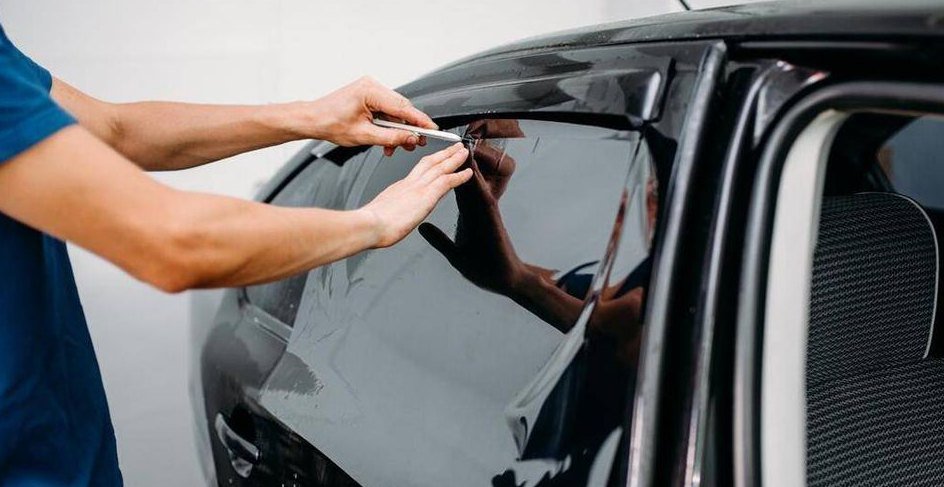
Fifteen shades, coated as three families. They share the hot-melt dyed substrate and the 3H hard coat, and differ in thickness, construction and whether a warranty and heat data are published — which is what decides the price band each one sells into.
The volume family, and the reason distributors keep a dyed line at all. Eight shades on one recipe, 70% down to a measured 2%, at the lowest cost per square metre in our catalogue.
The only dyed family with measured numbers on the sheet: 99% UV rejection across all three shades, infrared figures at both wavelengths, and a three-year warranty. Twice the film, twice the dye, a real data page.
Laminated construction for the darkest end of the market. P-Black is a double layer at 2 mil; D-Black is a single layer at 1 mil. Both reach 1% VLT — the darkest film on any of our six window film pages.
The Black family is one recipe coated at eight shade levels — same hot-melt dyed substrate, same adhesive, same 3H hard coat. Only the visible light transmission changes. Each pane below darkens to its measured value as it scrolls into view, and the fourth column says plainly what we have not measured.
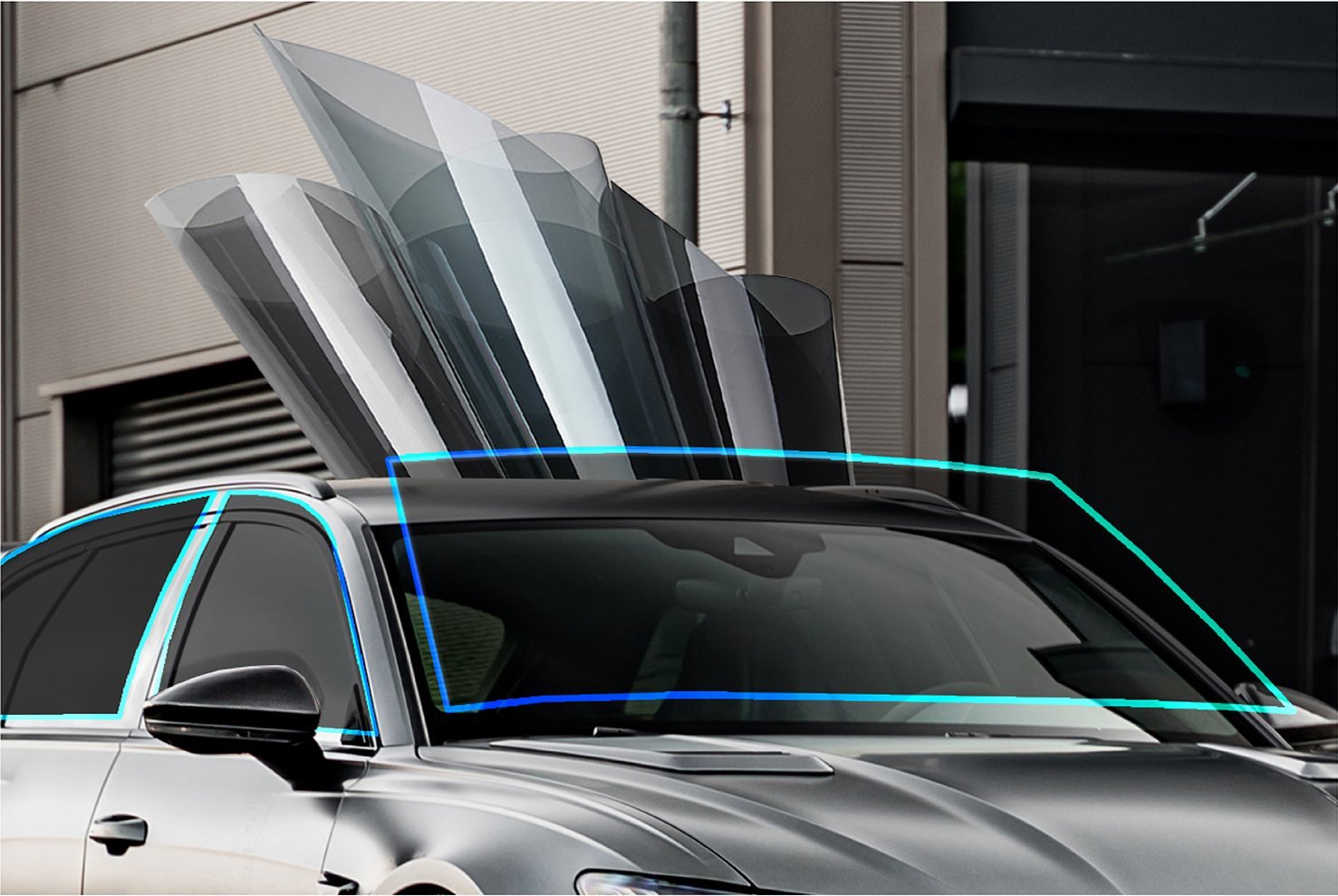
Two of the eight Black shades are catalogued at a rounder number than they measure: Black 20% reads 18% VLT and Black 01% reads 2%. We have kept the catalogue names your buyers already know and published the measured values beside them. Order by the full model name.
Every figure on the left was measured in our own laboratory and appears in the 2025 catalogue. Every line on the right is a number a buyer may ask for that we have not measured — so we do not print it. The right-hand column is the reason you can trust the left-hand one.
Published in the catalogue, backed by a laboratory report we will send with a sample request.
Laboratory reports for any figure here travel with a sample request — ask for the models you intend to stock.
Blank in our catalogue, blank on this page. A competitor filling these rows on a dyed film is estimating.
If a tender needs any of these rows filled, name the models and we will have them measured at our cost rather than estimated. That is a two-to-three week answer, not a same-day one.
Dyed film is the cheapest stock in the catalogue per square metre, which makes offcut waste the thing that actually decides your margin on it. Order one width across several shades and slit the rest to order.
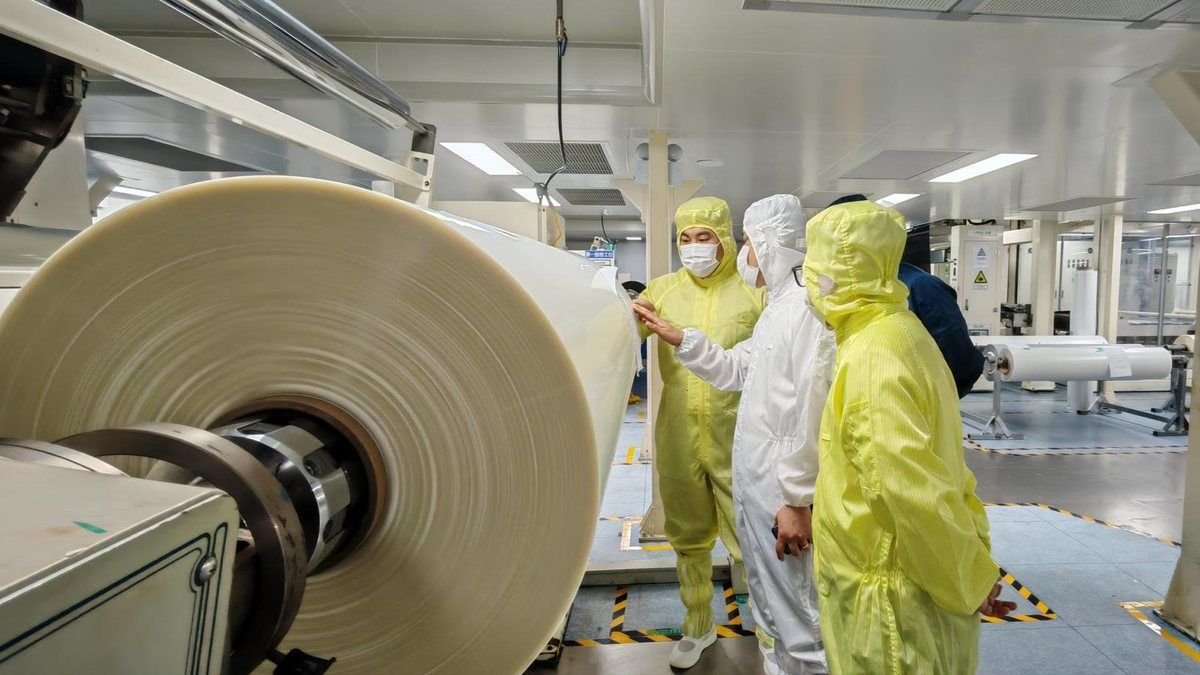
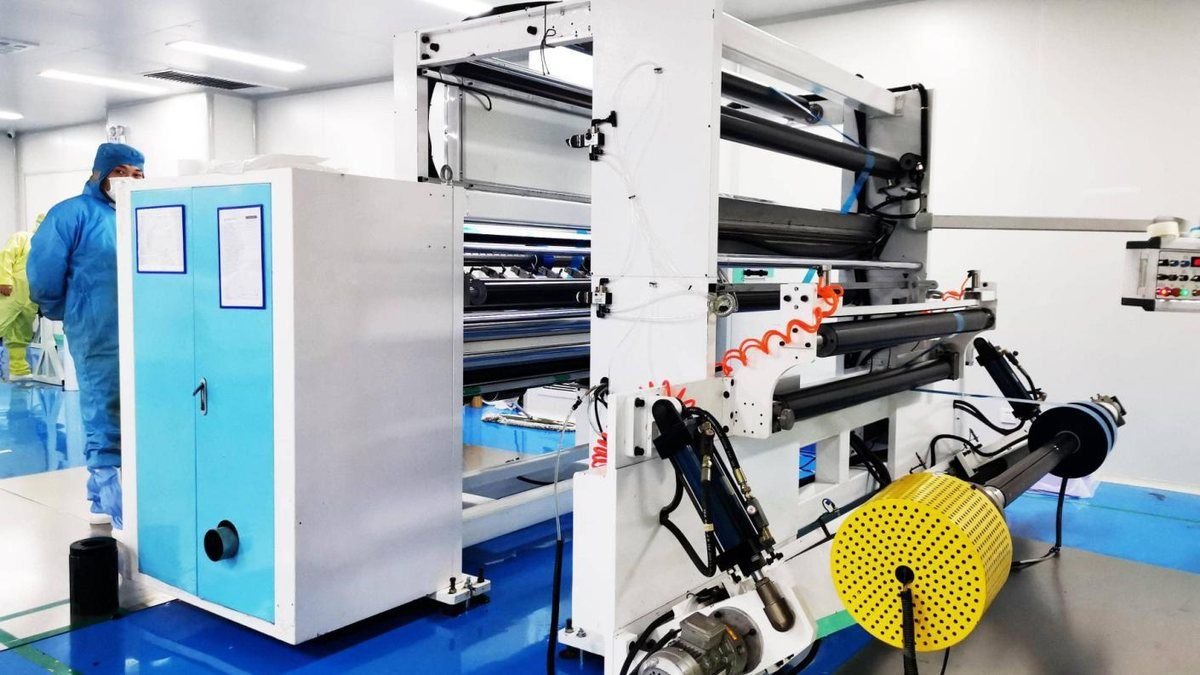
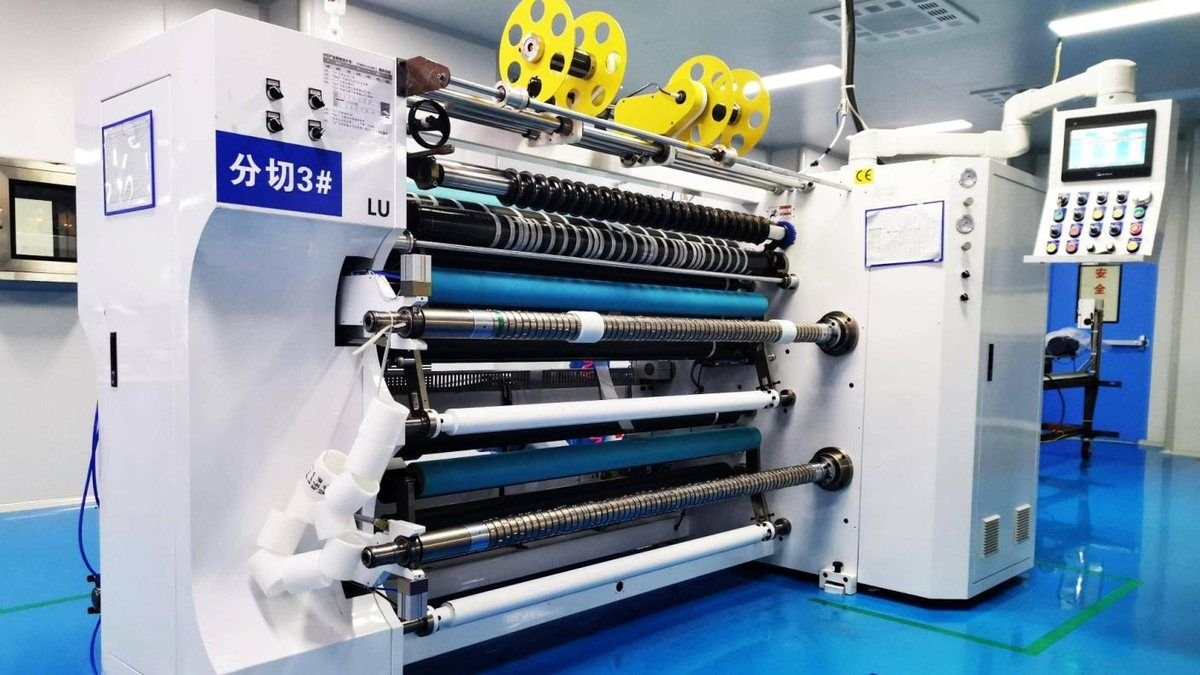
Five slitting and rewinding lines, so a mixed-width, mixed-shade container is a normal order rather than a special one. Tell us the vehicle mix your installers cut for and we will recommend the width split.
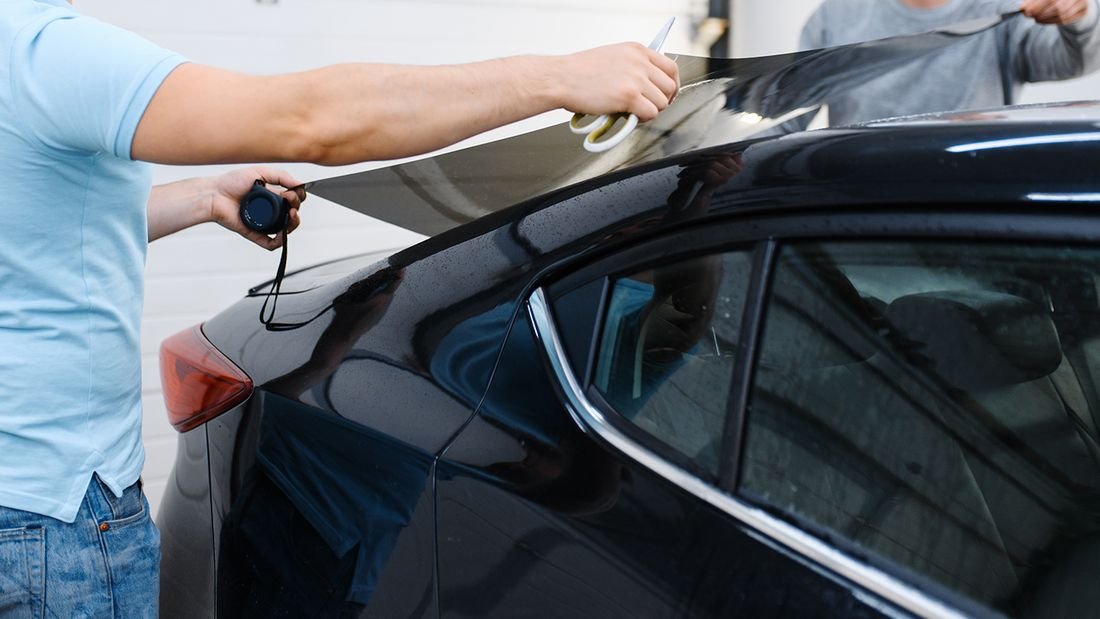
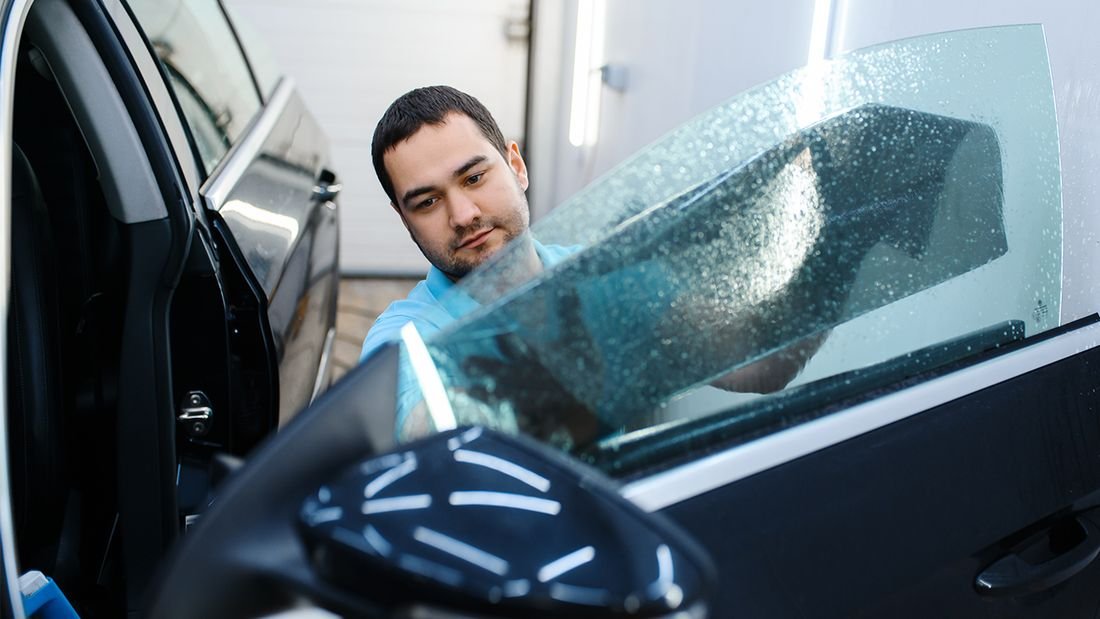
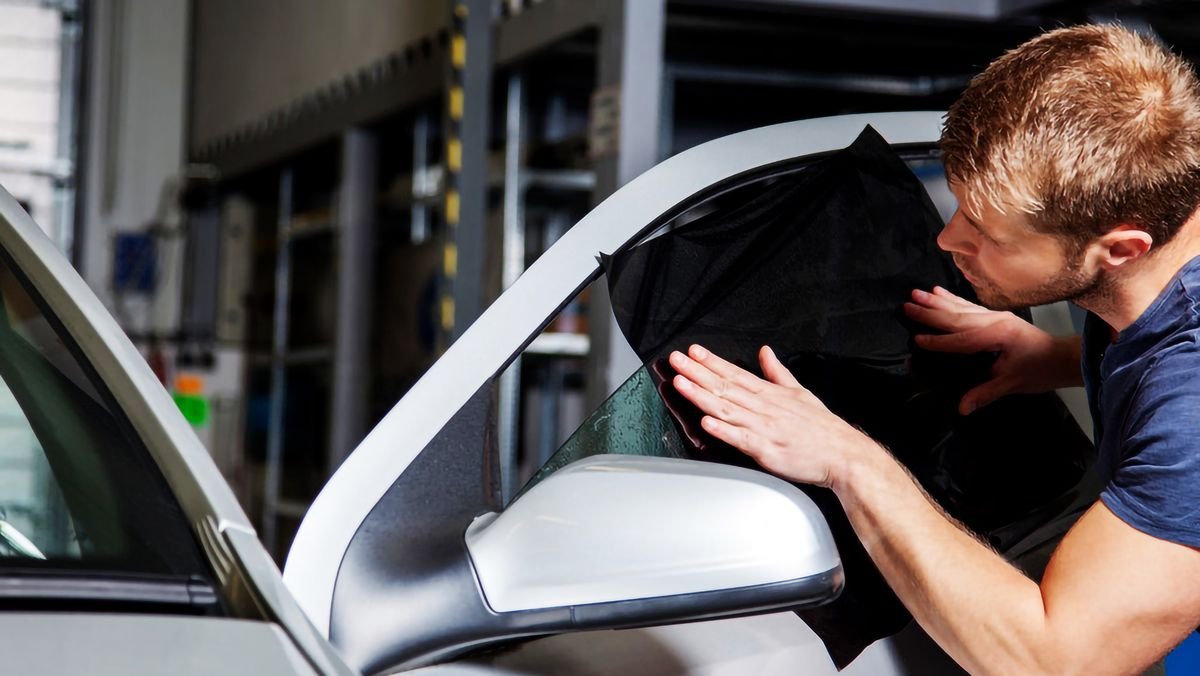
One mil is the thinnest film we coat, and it rewards a careful hand more than a 2 mil ceramic does. This is the sequence our training programme teaches the centres we supply, and the aftercare rules that keep a complaint from arriving in month two.
Wash, scrape and degrease. On a dark film every trapped speck shows as a light point, so this step matters more here than on a light shade.
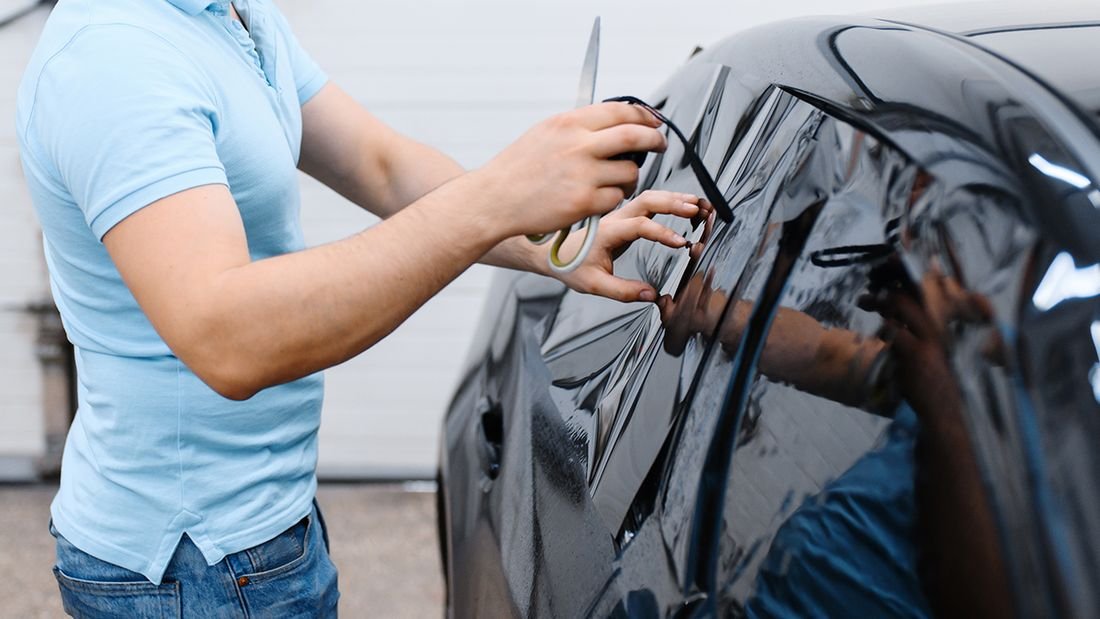
Plotter-cut from the model database or hand-cut on the outside of the glass. At 1 mil, keep the blade light — the film gives way sooner than a 2 mil laminate.
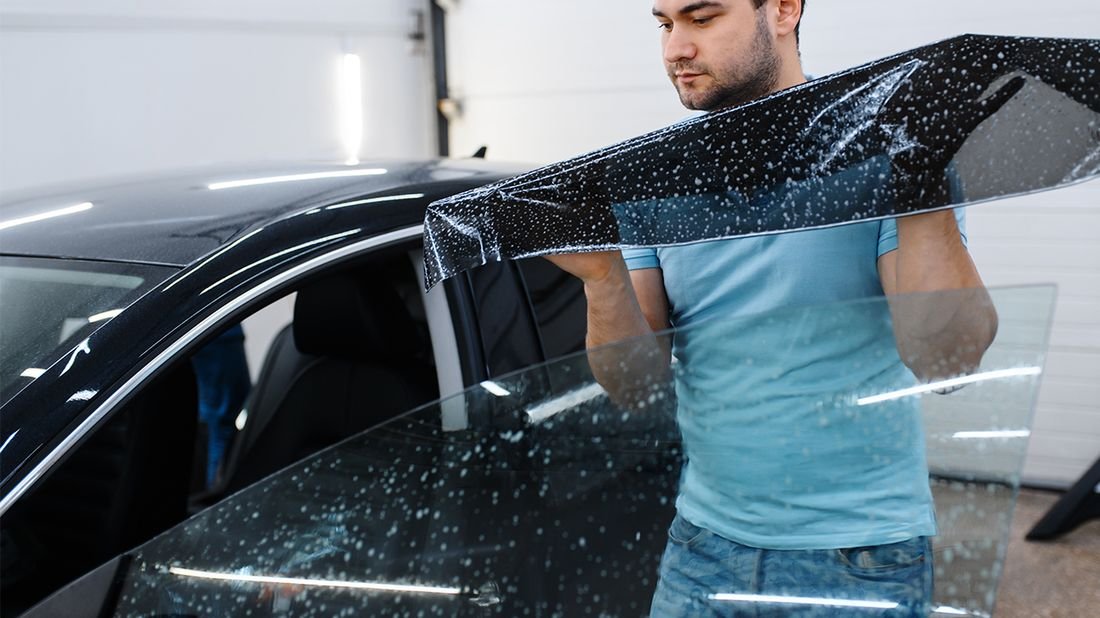
Curved rear glass is formed with heat until the film lies flat. Work cooler and slower than you would on 2 mil; the 2 mil SP and P-Black take this step more forgivingly.
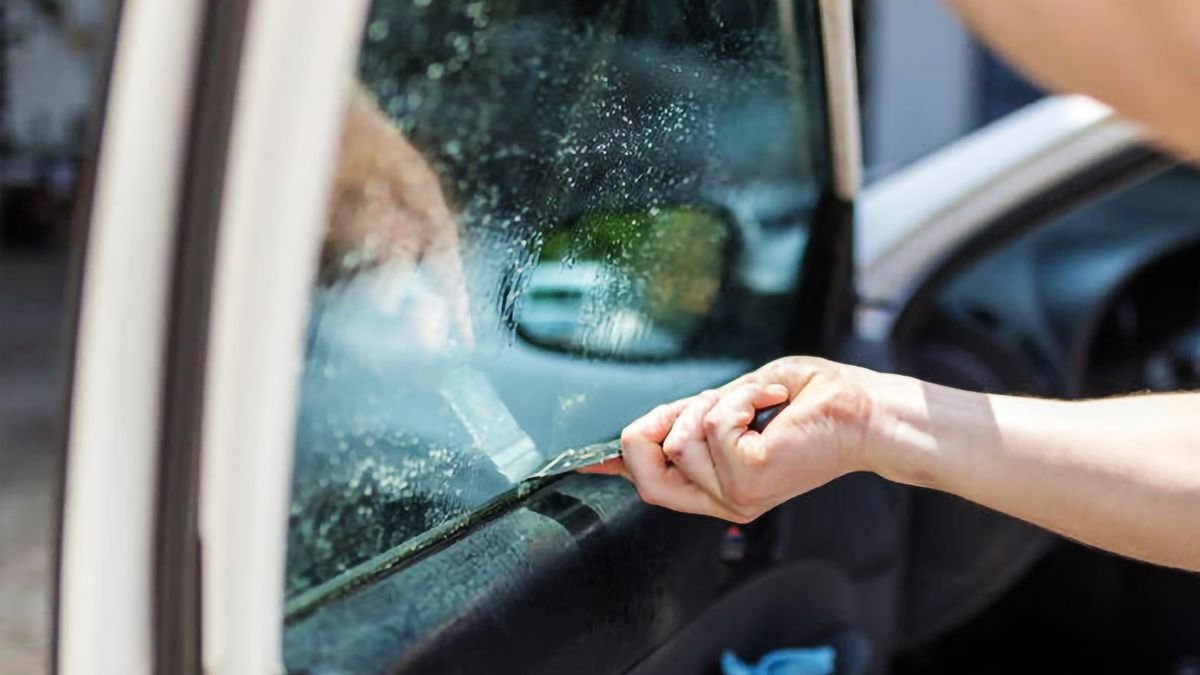
Slip solution lets the film float so it can be placed without creasing, then the adhesive builds as the solution leaves.
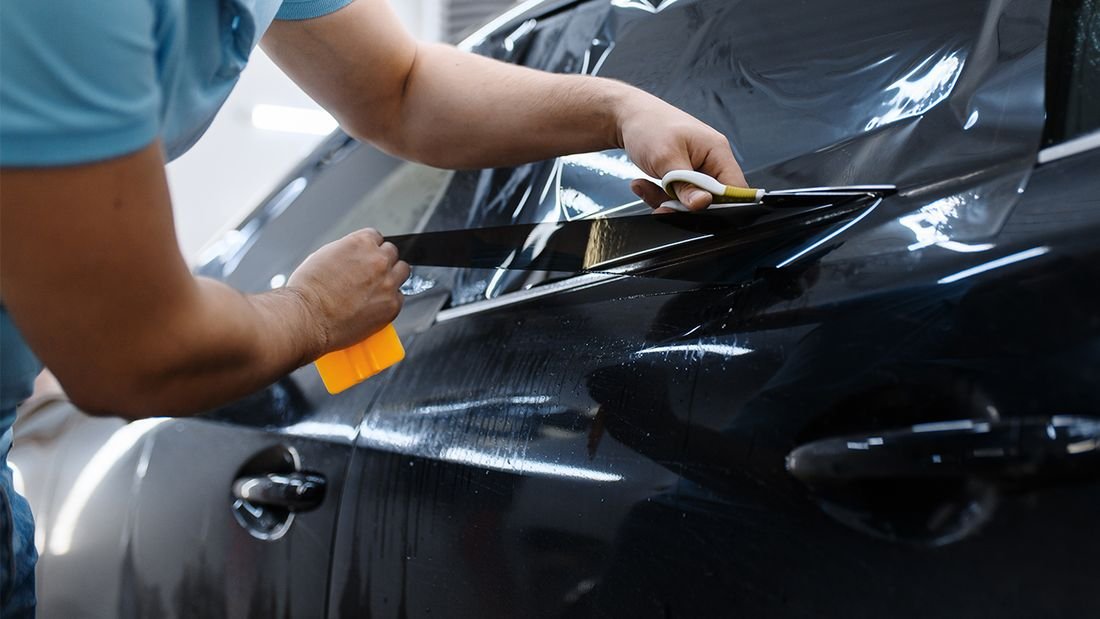
Solution driven out from the centre, edges worked down, then a standardised inspection under strong light before the car leaves the bay.
Leave the windows up for three days. The adhesive is still building. Rolling a window down early is the single most common cause of a lifted edge, and on 1 mil the edge lifts sooner.
Small water pockets are normal at first. Residual slip solution shows as faint haze or bubbles for a week or two and clears on its own as the moisture works out through the film.
Clean with a soft cloth and a neutral cleaner. No ammonia, ever. Ammonia attacks the hard coat and, on a dyed film, it is the fastest route to a hazed, patchy surface.
No blades, no abrasive pads. The 3H coat resists ordinary handling, not a razor. Stickers come off with heat, not a scraper.
Film goes on the inside. So the glass outside can be treated normally, and the film only ever meets cabin conditions rather than road grit.
Defroster lines and aerials are fine. There is no metal layer in a dyed film, so nothing interacts with rear-screen heating elements or an embedded antenna.
Removal is a professional job. Heat and patience take film and adhesive together. A cold pull on 1 mil tears the film and leaves the adhesive on the glass.
Set the warranty expectation at the counter. The SP series carries three years from the install date. Black and Tinted are supplied without a published period — say so before the job, not after.
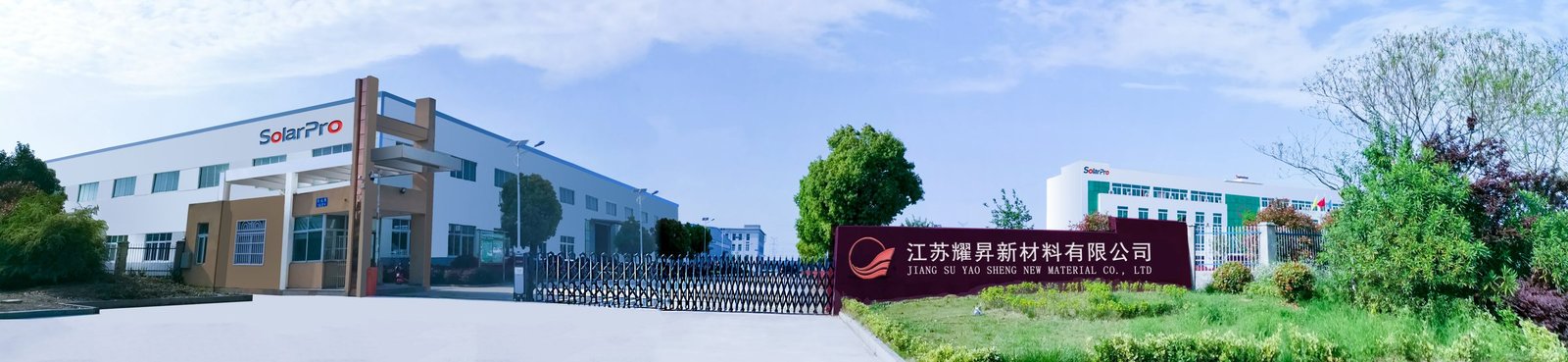
A dyed film is a consistency problem rather than an optics problem. The dye goes into the polyester in the melt, so the thing that can go wrong is shade drift between batches — a rear window that does not match the one fitted six months earlier. That is why dyed stock runs on the same precision coating lines, in the same cleanroom, under the same batch records as everything else we make.
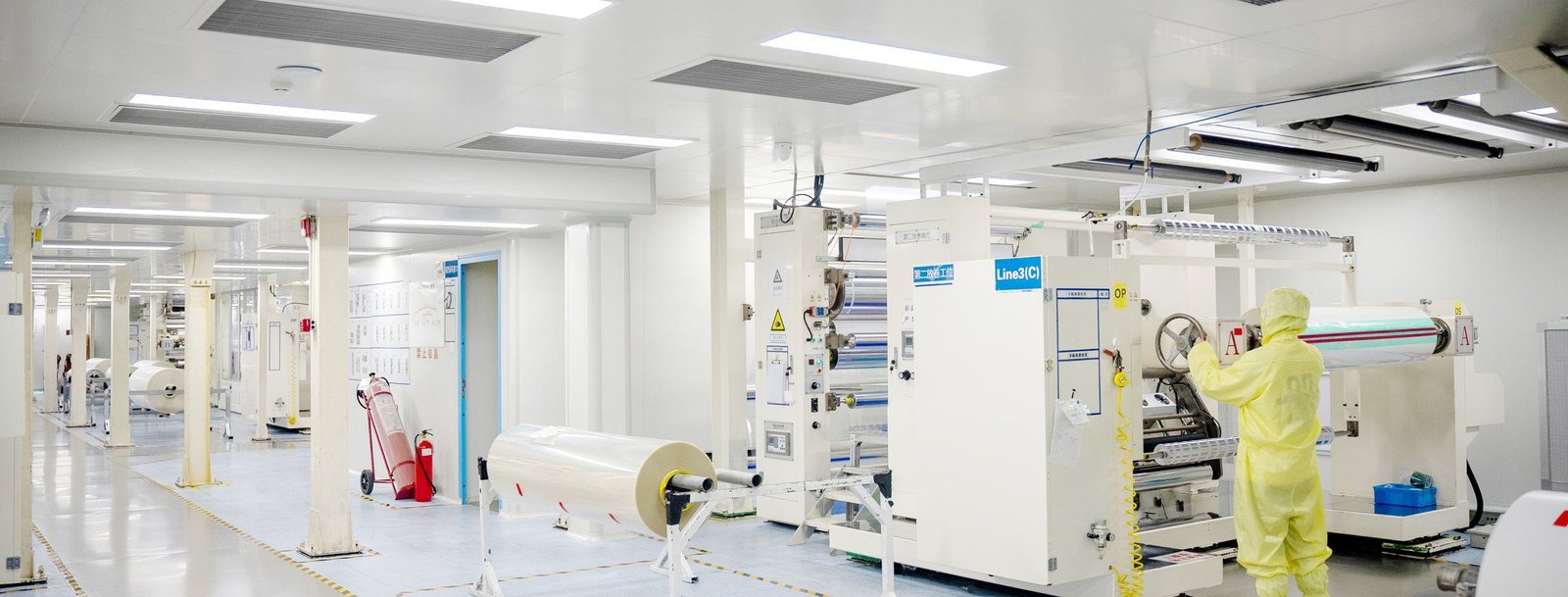
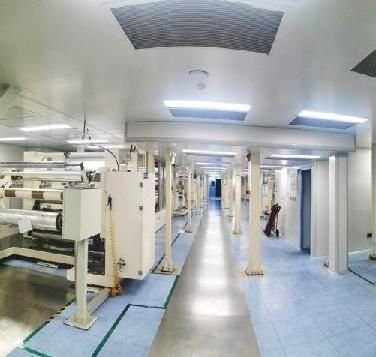
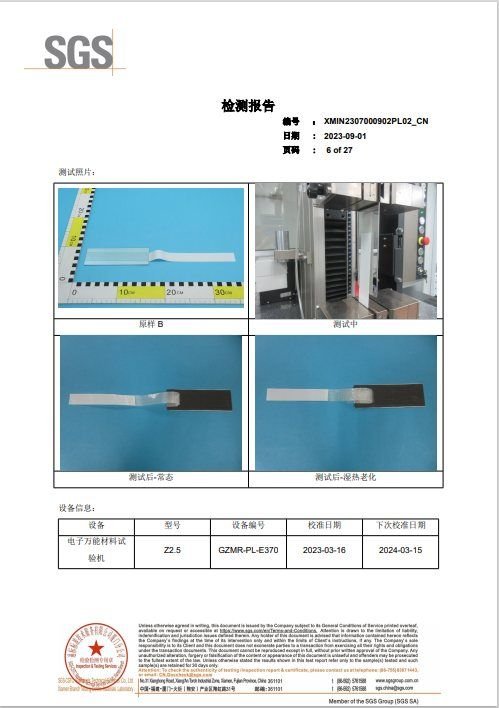
Fifty-plus imported instruments sit in the quality centre; four of them do the work that matters on this family. The haze meter produces the VLT column you have been reading all the way down this page.
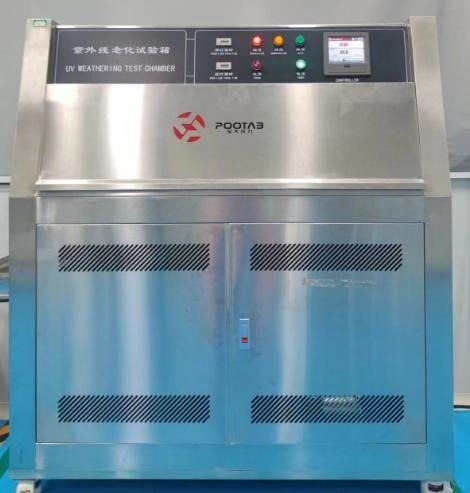
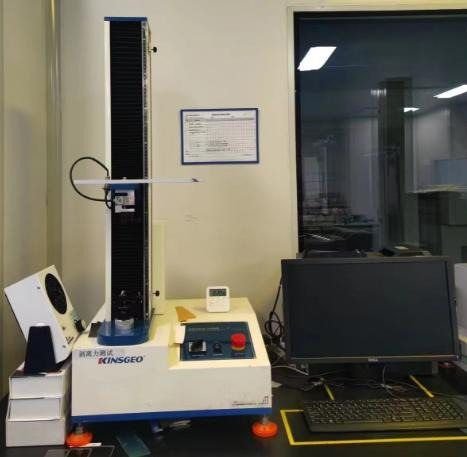
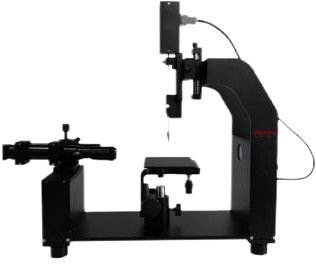
The QUV chamber is also why we publish a warranty on the SP series and not on the others: three years is a period we have a full weathering history for. Where we do not have one, we leave the field blank rather than borrowing a number from a neighbouring product.
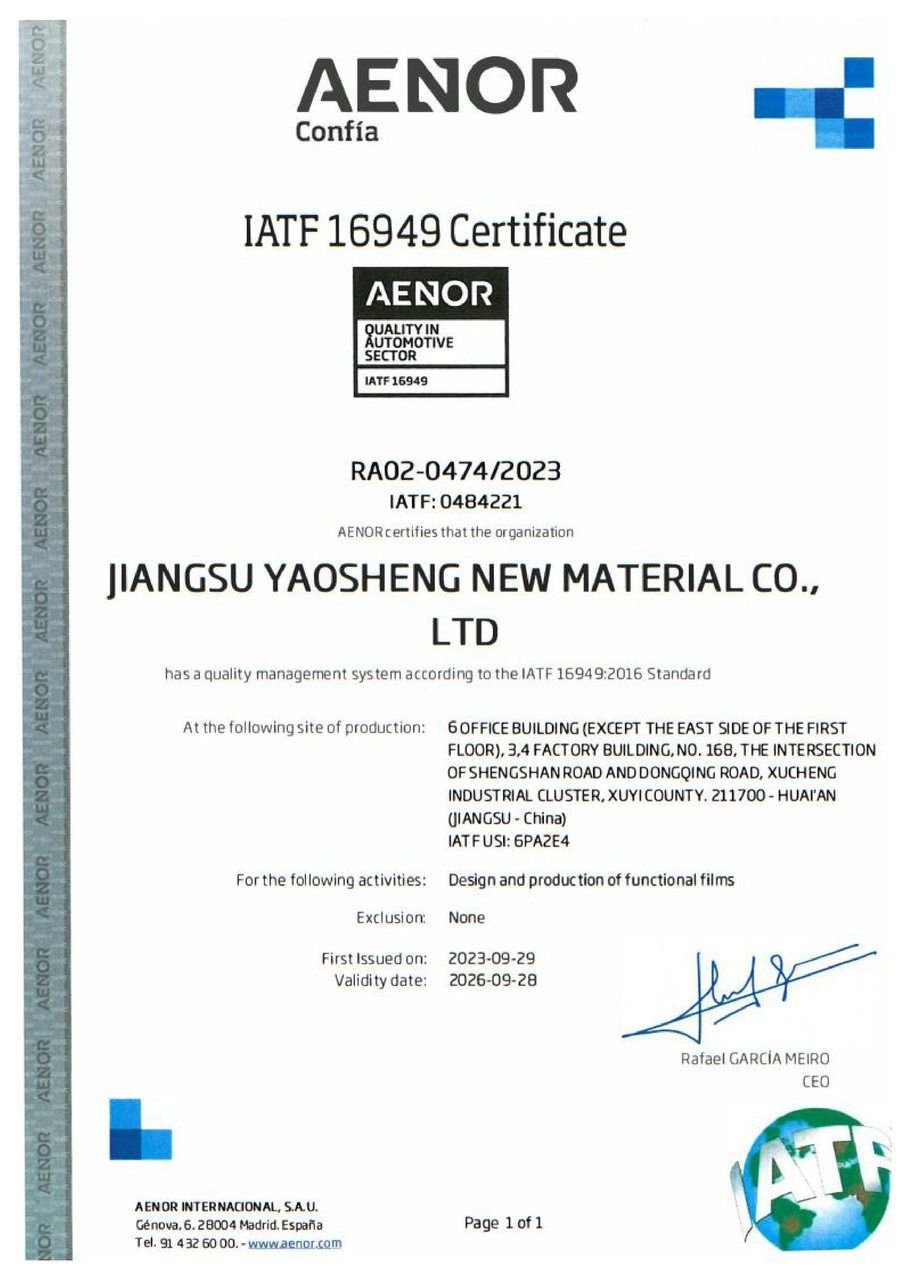
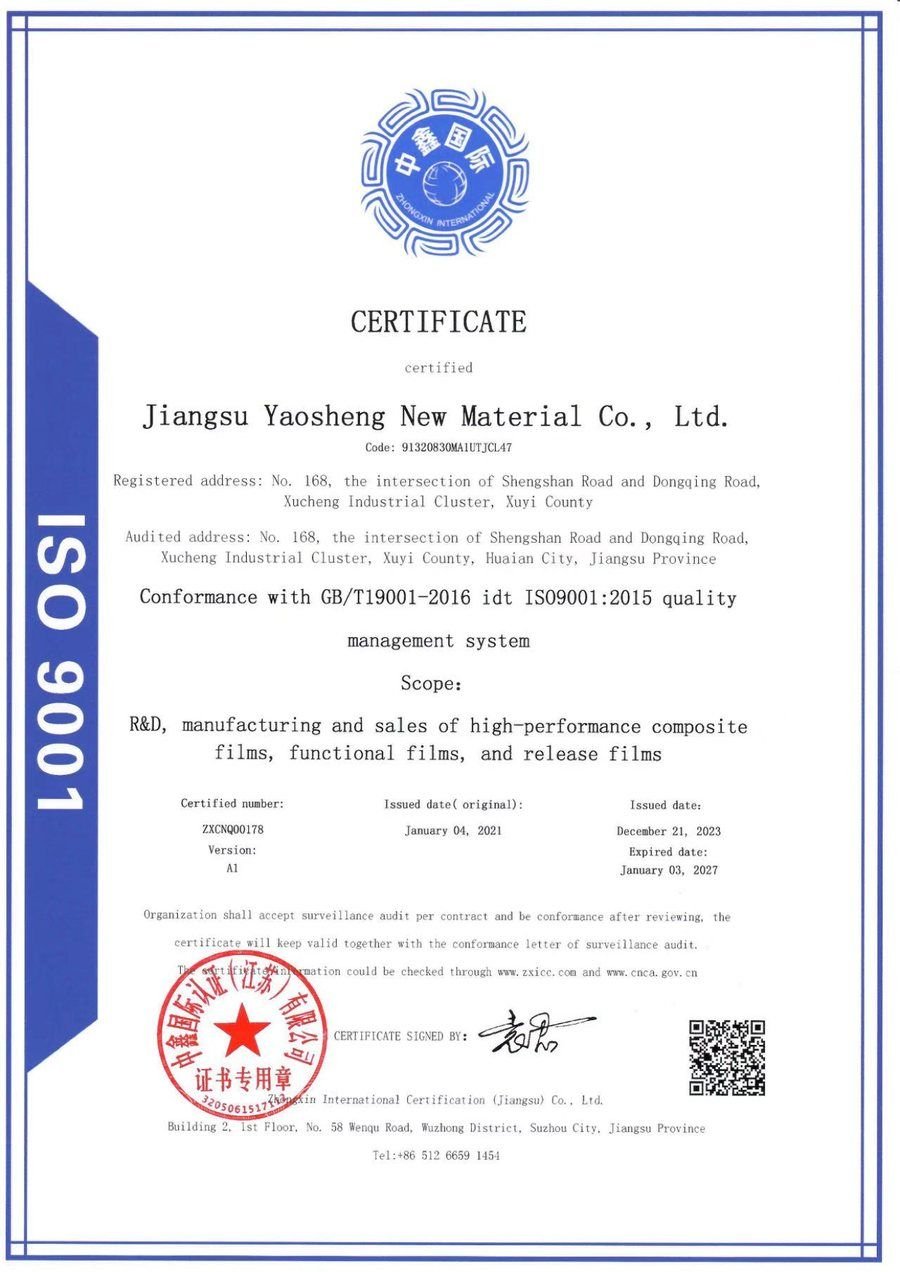
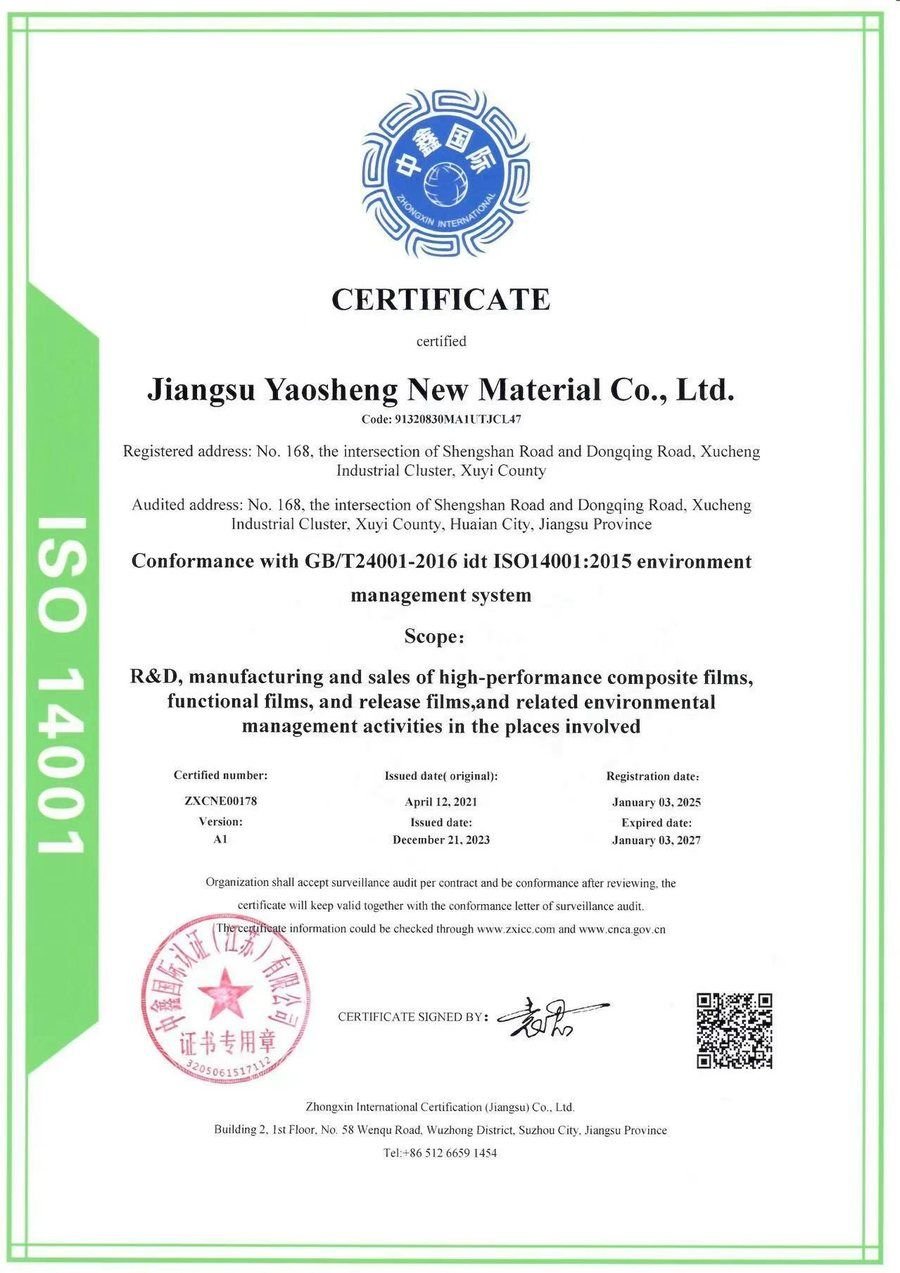
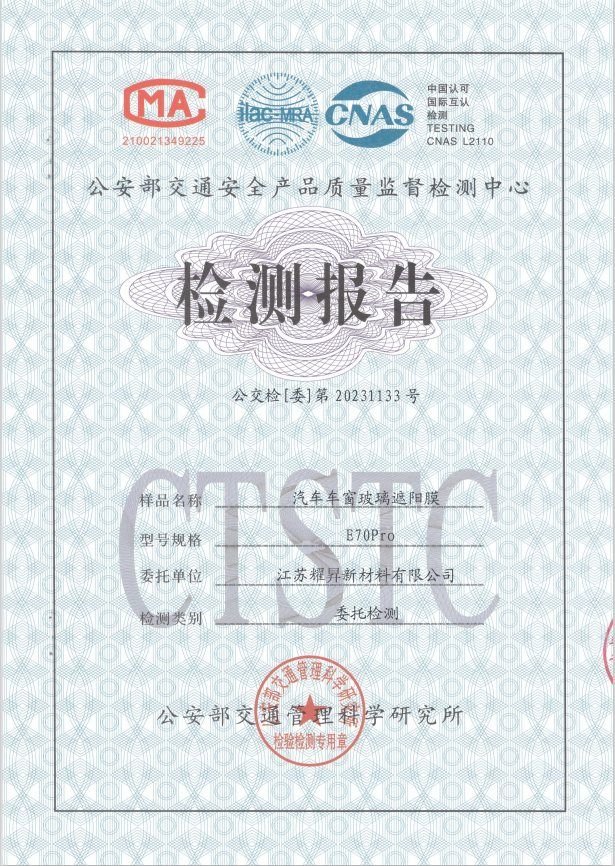
The same quality system covers the cheapest roll in the catalogue and the most expensive. IATF 16949 certification is what a serious tender asks for first, and the reason we passed the BYD and Chery supplier audits. Full copies travel with a sample request.

This is the line that fills a shelf. Dyed film is where a new distributor gets volume moving while the ceramic range builds a reputation, and the eight Black shades answer most of what walks through an installer’s door. We coat it ourselves, which is what decides whether your second container matches your first.
A dedicated follow-up team acknowledges and confirms within six hours of receipt.
Warehouse ships within twelve hours of acceptance and tracks through to signed delivery.
Three precision coating lines, so a trial order and a national launch are both normal here.
Your carton, labels and warranty card, from first brief to first bulk delivery.
Distributors and installation-centre chains buy from the same price book — see distributor pricing. Most first containers pair this range with a coated one, because the customer who asks about heat is a different customer from the one who asks about privacy. For first-fit and dealer-accessory programmes, the OEM window film range carries warranties to ten years.
This page has said plainly what a dye cannot do. These are the two families that can, coated on the same lines, in the same cleanroom, under the same batch records.
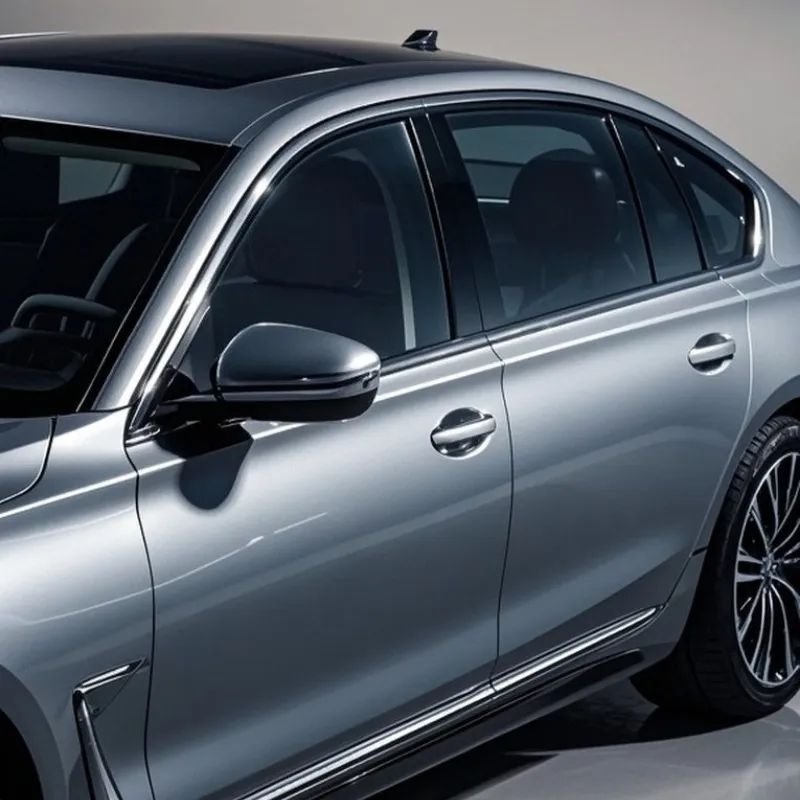
Fifteen models measuring 80–96% infrared rejection across the whole shade ladder — 92% at 70% VLT, where the dyed SP-70 manages 21%. This is the page to open when the conversation turns to heat.
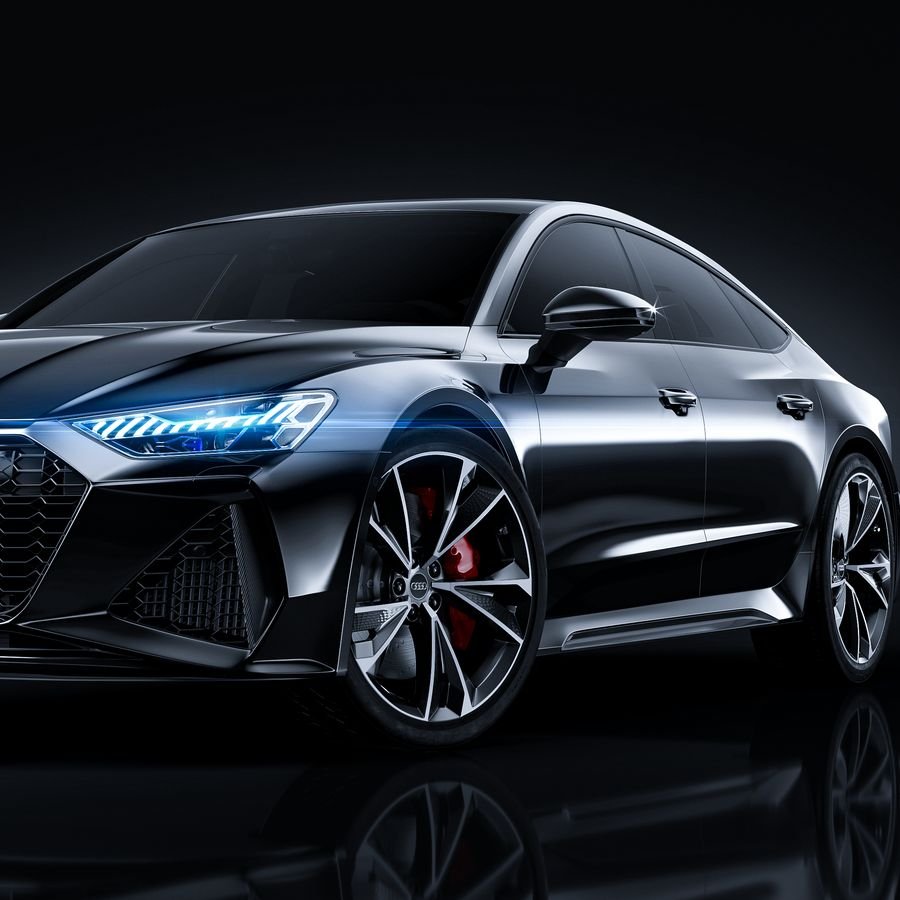
Nine models. A spectral filter rather than an absorber, holding 99% at 1400 nm across the SC-T run — the flattest infrared curve we make, and the top of the range.
All four automotive routes and the architectural range sit together on the automotive window film overview. If you are weighing this family against a carbon product, ceramic vs carbon window tint compares all three honestly, and window tint percentages explains what the numbers on this page mean to a customer.
Only by blocking light, and only where we have measured it. The SP series is the one dyed family with published infrared figures, and they tell the story exactly: 21% at 950 nm on SP-70 at 70% VLT, rising to 70% on SP-05 at 5% VLT. The dye cannot separate the infrared band from the visible one, so darkness and infrared rejection move together. For the eight Black shades and the four Tinted shades we publish no figure at all, because we have not run the tests. If heat is the requirement, quote nano ceramic window film, which measures 80–96% at every shade.
What absorbs the energy, and how selectively. A dye is an organic colourant that absorbs broadly across the visible band; nano ceramic is a dispersion of titanium nitride particles chosen to absorb in the near infrared while passing visible light. That difference is the whole chart in the middle of this page: at 70% VLT our ceramic run measures 92% at 950 nm and our dyed SP-70 measures 21%. Dyed film wins on price and on nothing else, and that is a perfectly good reason to stock it.
Because the tests have not been run on those families, and we would rather publish a blank than an estimate. The Black and Tinted ranges are sold on shade, privacy and price; the rows for infrared and ultraviolet are empty in our 2025 catalogue and they are empty on this page. Any supplier who fills those rows on a 1 mil dyed film is extrapolating from a different product. If your market requires the numbers, name the models and we will have them measured at our cost — two to three weeks, not same day.
Black 35% and Black 20%. Between them they cover the two jobs this family is actually bought for: a medium shade that clears a great many side-glass rules, and a dark one for rear and cargo privacy. Add Black 70% if your market enforces a high front-side limit, and one of the Tinted 1% models if you sell blackout work. Keep three SP shades alongside them as the answer to the customer who asks for a heat figure in writing.
Purpling is what happens when the colour sits in an adhesive layer or a surface coat that breaks down under ultraviolet. Our Black range is hot-melt dyed — the colour goes into the polyester in the melt, not onto it — and every batch runs through a QUV accelerated weathering chamber. What we will not do is turn that into a warranty we have not earned: three years is published on the SP series, and Black and Tinted are supplied without a stated period. Ask us for the weathering data on the shades you intend to stock.
A measured 1% VLT, on P-Black 01% and D-Black 01%. That is darker than anything in our ceramic or sputtered catalogues, and it is one of the two real reasons to buy a dyed film. P-Black is a double-layer laminate at 2 mil; D-Black is a single layer at 1 mil. Check your market rules before quoting anything below 10% for side glass — these shades exist for rear glass, cargo areas and specialist work.
Because 18% is what the instrument reads and 20% is what the catalogue has called it for years. Black 01% is the same situation: it measures 2%. We have kept the model names your buyers already recognise and printed the measured value beside them everywhere on this page, rather than quietly rounding the measurement to match the name. Order by the full model name, and quote the measured figure if your market regulates on VLT.
Both, and yes. The eight Black shades and D-Black are 1 mil; the SP series and the P-Black laminates are 2 mil. Thickness is why SP can publish an infrared figure at all — twice the dye in the light path — and it is also what your installers will feel: 2 mil heat-shrinks more forgivingly on deep-curved rear glass, and 1 mil needs a lighter blade and a cooler gun.
No. The construction is dyed polyester and adhesive — there is no metal layer, so there is no continuous conductive sheet to attenuate a signal. GPS, LTE and 5G, 433 MHz tyre-pressure sensors and keyless entry all behave as they do on bare glass, and the film does not interact with rear-screen defroster elements or an embedded aerial. It is the one performance property this family shares with our ceramic range.
Yes — carton artwork, labels, roll length, core size and the warranty card, on an eight-week schedule from brief to first bulk delivery. One condition we do not negotiate: we will not print heat-rejection figures on a Black or Tinted carton, because we have not measured them. Terms are on the private label page.
Tell us the market you sell into and the shades you move most. We will send physical swatches across the shade ladder, the measured data we do have, and a quotation against your volume — along with a straight answer on anything we have not measured.
We reply within one working day. Your details are used only to answer this enquiry.
Fill in the form below to book a 30 min no-obligation consulting session.
I will reply within 24 hours.