
Entry safety grade
90% VLT
JT-90Safety anti-explosion · 2 mil
IR —
UV 99%
Haze —
5 yr2 mil3H
Home/Window film/Building & safety
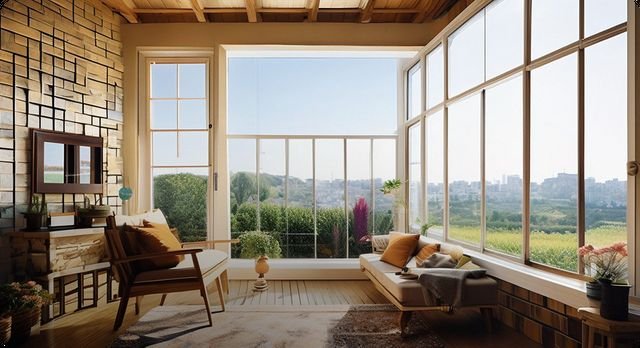
This range earns its money once, on the day a pane breaks. Until then it is a clear film nobody notices — 90% visible light transmission, 99% ultraviolet rejection, a 3H hard coat and a five-year warranty. It is a different product for a different buyer, and this page is written for the person specifying glazing rather than the person selling car tint.
90%VLTJT-90 / JF-90 / JE-90 · 90% VLT. The whole safety range is near-clear. Thickness is what changes between the three, not shade.
Two jobs in one short range. The three safety grades are near-clear and differ only in thickness; the two Silver Light grades are solar control films and differ in how much light they let through. The infrared track is hatched on every card because our catalogue does not carry that test for architectural film.
5 of 5 models shown
Thickness and warranty only. We publish no blast rating on film alone.
Reflective film. Reads as a mirror outside by day, reverses at night.
No model matches that combination. The safety range runs 2, 4 and 8 mil; Silver Light is 2 mil only.
Five models as numbers, with what each one is normally specified for. Every figure was measured by our testers under our factory laboratory standard test method.
| Model | VLT | IR | UV | Thickness | Hard coat | Warranty | Typical application | |
|---|---|---|---|---|---|---|---|---|
| JT-90Safety Anti-explosion Film | 90% | — | 99% | 2 mil | 3H | 5 yr | Shopfronts and interior partitions — the entry safety grade | |
| JF-90Safety Anti-explosion Film | 90% | — | 99% | 4 mil | 3H | 5 yr | Schools, hospitals and anywhere glass is at head height | |
| JE-90Safety Anti-explosion Film | 90% | — | 99% | 8 mil | 3H | 5 yr | Blast and forced-entry retardation, as part of a tested assembly | |
| JYG-25LYSilver Light Series | 25% | — | 99% | 2 mil | 3H | 3 yr | West-facing facades where glare is the complaint | |
| JYG-05SLSilver Light Series | 5% | — | 99% | 2 mil | 3H | 3 yr | Full solar control and daytime privacy on commercial glazing |
The infrared column is blank because our 2025 catalogue does not carry those tests for the architectural range — not because the figures would be poor. A safety film is specified on thickness and on what happens to the glass when it breaks. If a project specification requires measured solar performance on a building film, name the models and we will have them tested rather than estimated.
Six situations a specifier actually faces, and the model we would put against each. Two of them are situations where a film is not the answer at all.
This is the case anti-shatter film exists for. Four mil holds the pane together in its frame long enough for the area to be cleared, and it does it without changing the daylight in the corridor.
Two mil is the entry safety grade. It is a real film with a real warranty, fitted by the same trade in the same visit — and it is the cheapest way to stop a broken shopfront becoming a pavement full of glass.
Eight mil, the heaviest film we make. Be careful how it is written up, though: we publish thickness and warranty, not a blast rating. If the specification calls for a tested classification, that testing has to be done on the assembled glazing, not on the film.
Then it is not a safety job, it is a solar one. The Silver Light series is a reflective film at 25% transmission — it cuts the glare that makes a west-facing office unusable at four in the afternoon.
Five per cent transmission on a reflective construction. From outside in daylight the glazing reads as a mirror; from inside you still see out. At night with the lights on, that reverses — tell the client before the install, not after.
A film is not a barrier. Anti-shatter film keeps a broken pane in its frame and buys time; it does not make glass unbreakable, and we will not sell it as though it does. If the brief is genuine security, the answer is laminated glazing or a physical measure, with film as a supplement.
A clear polyester sheet bonded to the inside face of the glass with a pressure-sensitive adhesive. It does not make glass stronger and it does not stop glass breaking. What it does is change what the glass does after it breaks — instead of leaving the frame as separate pieces, the fragments stay bonded to the film, and the film stays bonded to the pane.
That is the entire product, and it is worth stating plainly because the category attracts a lot of loose language. Anti-shatter film is bought by people who have thought about what a broken window means in their building: a shopfront on a high street, glazing at head height in a corridor, a partition beside a stairwell. The film is invisible for years and then matters once.
It is not armour. It is a way of deciding, in advance, whether broken glass falls or stays.
Thickness is the specification. Two mil is the entry grade, four mil the one most commonly written into a schedule, and eight mil the heaviest film we coat. All three run at 90% visible light transmission, so the decision never costs you daylight. The separate Silver Light series does a different job altogether — reflective solar control for facades where glare, not breakage, is the complaint.
Fewer layers than anything on the automotive side, and that is the point: what is being asked of this film is tensile strength and adhesion, not spectral selectivity. Watch each stack — the layers fall into place in the order they meet the glass.
The entry grade. One ply of polyester, clear, at 90% transmission — enough to hold a domestic or shopfront pane together in its frame.
90% VLT · 99% UV · 3H · 5-year warranty.
Twice the film, and the grade most often written into a specification. This is the one to quote when glazing sits at head height or in a route people have to walk down.
Same optics as JT-90 — the daylight does not change, only the thickness does.
Four times the entry grade and the heaviest film we coat anywhere in the catalogue. Specified for blast and forced-entry retardation — and worth reading the note below before it is written up that way.
Still 90% VLT. Eight mil takes a wet install and a patient fitter.
A note on how these get specified: we publish thickness, transmission, ultraviolet rejection, hard-coat rating and warranty, because those are the things we measure. We do not publish a blast rating or a forced-entry classification, and nor should anyone selling film alone — those ratings belong to a tested glazing assembly, glass and frame and fixing together, not to the film on its own. If a project needs a classification, it needs an assembly test.
Every other specification on this page is a number nobody will ever check. This is the one that matters, and it only resolves once. Two panes, the same impact: one bare, one with film on the inside face.
The pane fractures and the fragments leave the frame. What was a window becomes loose glass at floor level, and the opening is now unsecured until someone boards it.
Result: loose glass on the floor, an open hole in the elevation, and whatever follows from that — injury, weather, or an unsecured premises overnight.
The pane fractures in exactly the same way. The difference is that every fragment is still bonded to the film, and the film is still bonded to the glass around the edge of the frame.
Result: a cracked but intact pane that can be dealt with on a schedule rather than an emergency, and an elevation that is still closed while that happens.
It does not make the glass harder to break, and it does not turn a window into a barrier. Someone determined to get through a filmed pane will get through it; what film changes is how long that takes and what the glass does in the meantime. We would rather write that here than have a client discover it. Where a brief genuinely calls for security or blast resistance, the answer is a tested glazing assembly — laminated glass, the right frame and the right fixings — with film as a supplement rather than a substitute.
On the automotive side of this catalogue, every ladder gets darker as you go down it — shade is the variable and you pay for it in light. Here nothing gets darker. All three safety grades sit at 90% transmission and the only thing that changes is how much polyester is between the glass and the room. The sections below are drawn to scale.
Sections drawn to scale against each other: the film layer is 2, 4 and 8 mil, the glass block is the same in all three. Thickness is the only variable in this family — visible light transmission, ultraviolet rejection, hard-coat rating and warranty are identical across JT-90, JF-90 and JE-90.
Carefully, and without borrowing a rating we have not earned. JE-90 is the heaviest film in our catalogue and it is genuinely specified on blast and forced-entry work — but a classification of that kind belongs to a tested assembly: the glass, the film, the frame, the fixings and the sealant, tested together. Film thickness alone is an input to that test, not a result of it. Write the film in by model and thickness, have the assembly tested if the brief requires a classification, and everyone stays honest. We will supply the film data the test house asks for.
Five models doing two unrelated jobs. It is worth keeping them apart in your head and in your quotation, because a client who asks for “building film” usually means one or the other and rarely says which.
Near-clear film whose job is fragment retention. Three thicknesses on one construction, identical optics, and the only decision is how much polyester the glazing warrants.
Reflective solar control for facades. This family is bought for glare and daytime privacy on west and south elevations — a different complaint, a different film, and not a safety product.
A reflective film works by bouncing light back off the outside face, which is why it reads as a mirror from the street in daylight and why it cuts glare so effectively at 25%. Two things follow that a client should hear before the install rather than after. First, the effect reverses at night: with interior lights on and darkness outside, the glazing becomes transparent from the street and reflective from inside. Second, reflectivity is sometimes restricted by planning or by a landlord’s elevation rules — worth a check before the order, not after the scaffold is up.
We publish visible light transmission and ultraviolet rejection for the Silver Light grades and nothing else — no infrared figure, no solar heat gain coefficient, no shading coefficient. Those are the numbers a facade engineer will ask for, and we would rather have them measured against your actual glazing build-up than quote a film-only figure that will not survive the calculation.
Architectural film is a category where the marketing runs a long way ahead of the test data, and a specifier who has been burned once asks this question first. Everything on the left was measured in our own laboratory. Everything on the right is a claim you will see elsewhere in this category that we are not in a position to make.
In the 2025 catalogue, backed by a laboratory report that travels with a sample request.
Reports for any figure here travel with a sample request — name the models you intend to specify.
Blank in our catalogue, blank on this page. A supplier filling these in on film alone is not showing you an assembly test.
If a project specification requires any of these, tell us which standard and which glazing build-up, and we will supply film data to the test house and pay for the film’s part of the testing. That is a schedule measured in weeks, not days.
Architectural glazing comes in panes, not in car models, so width matters here in a way it does not on the automotive side — a curtain wall module that needs two pieces instead of one doubles both the labour and the visible seams. Send us the glazing schedule before you order the widths.
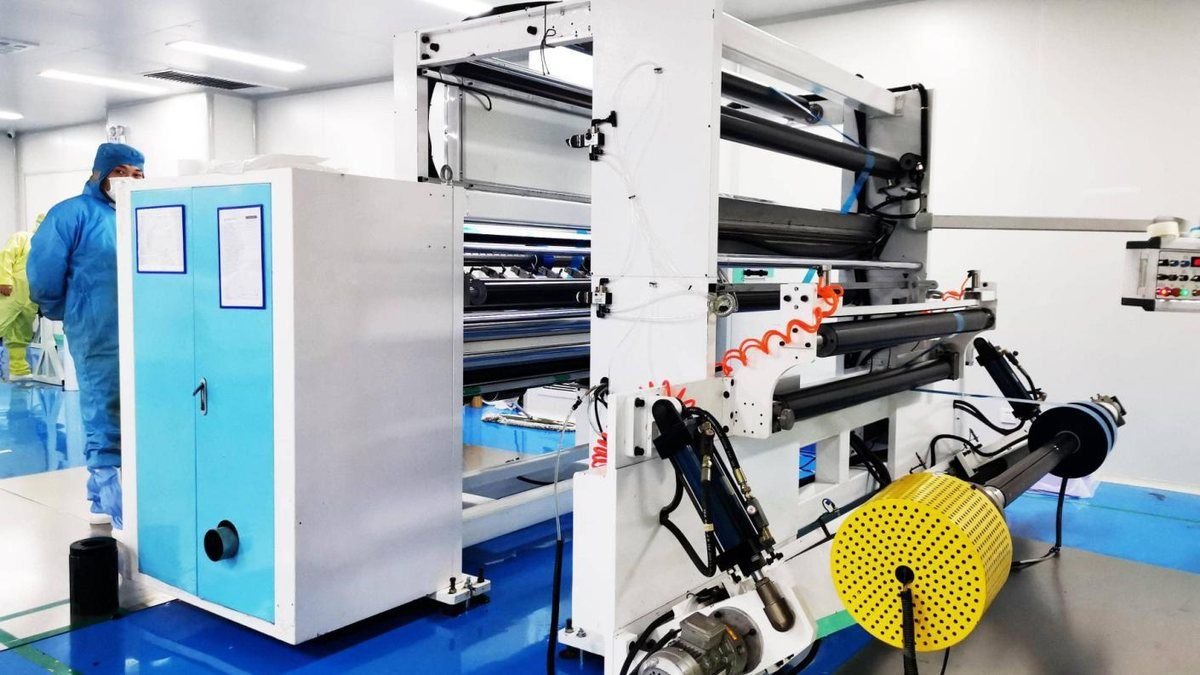
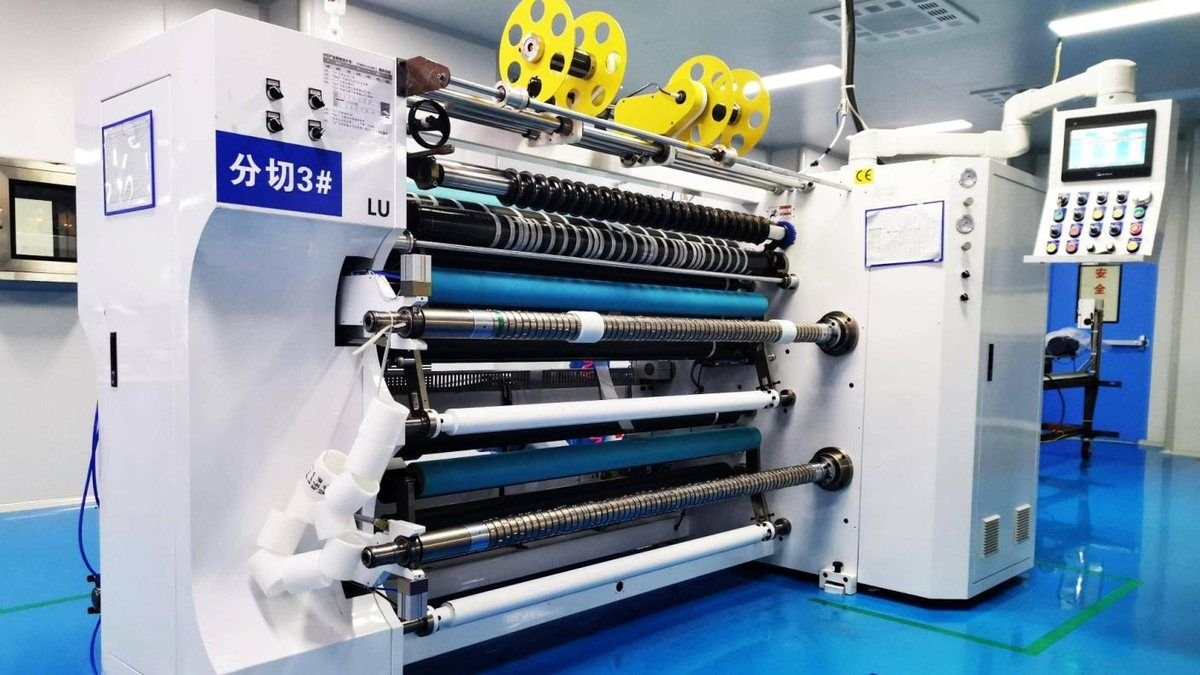
Five slitting and rewinding lines. Eight mil is the least tolerant stock we ship — a badly wound roll of JE-90 will fight the fitter all day — so it is tensioned and inspected separately before it is labelled.
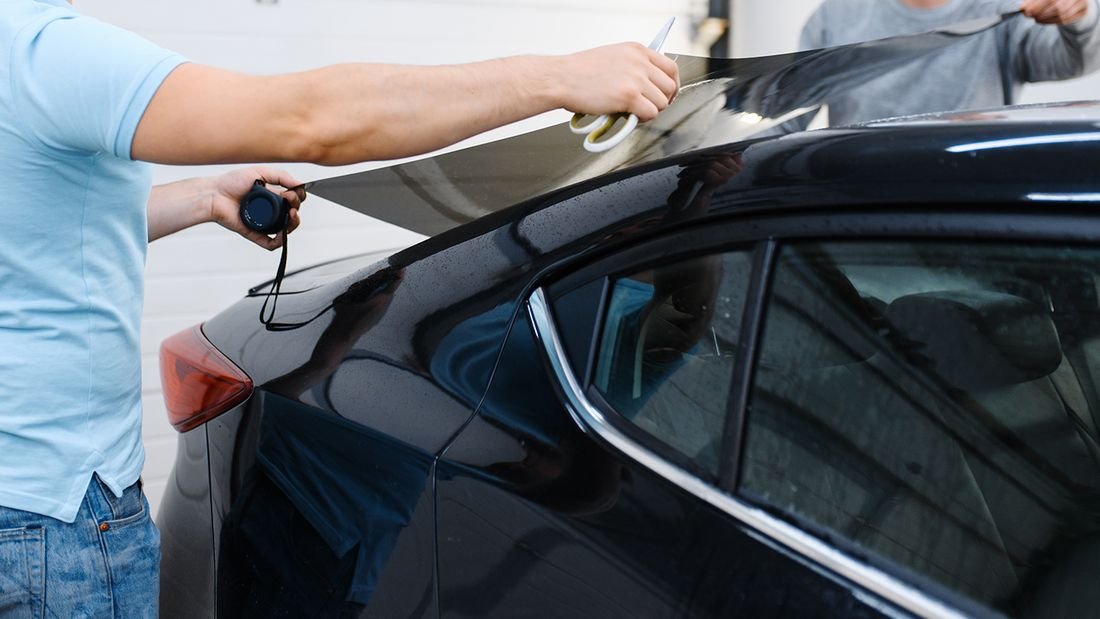
A different trade from car tinting and a different set of risks. The glass is bigger, it is usually already in the building, and on a safety job the edge is not a cosmetic detail — it is the part that decides whether the film does its job. This is the sequence we teach the contractors we supply.

Measure every pane; they are rarely identical. Check the frame rebate and whether the glass can be wet-worked in an occupied space before anything is unrolled.

Cut oversize and trim on the glass. On 8 mil this is slow work and a fresh blade every few panes — a dragged cut leaves an edge that will lift later.
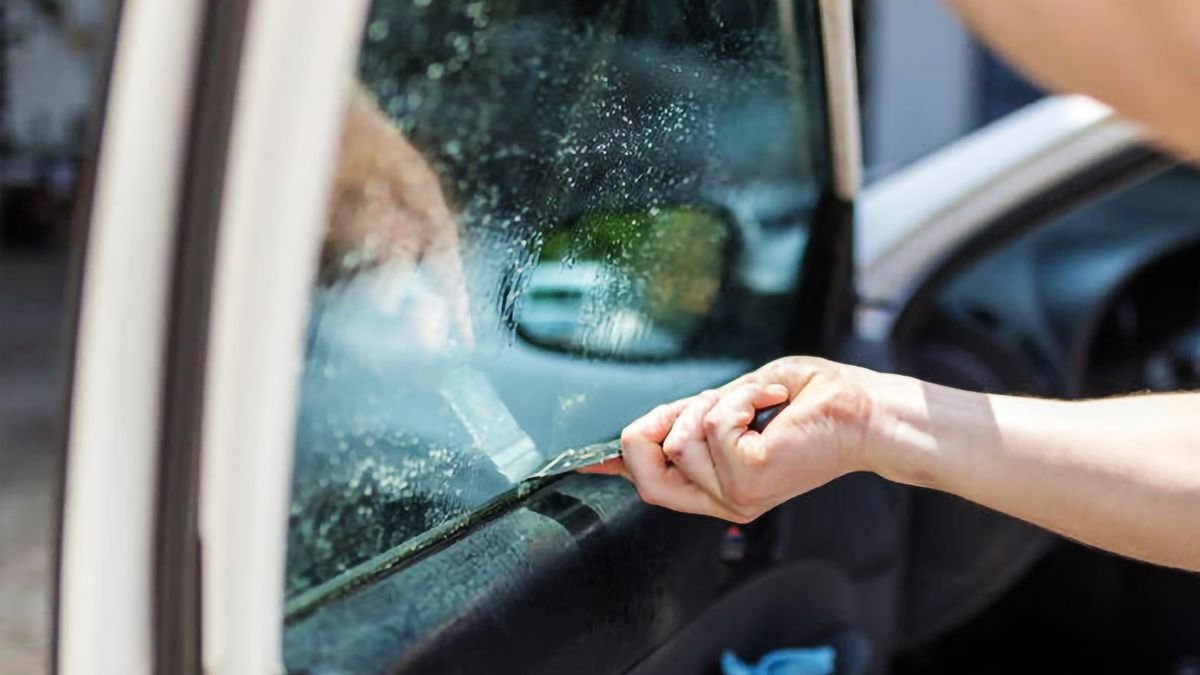
A wet install throughout. Thick film wants a generous slip solution and two pairs of hands on anything above about two metres square.
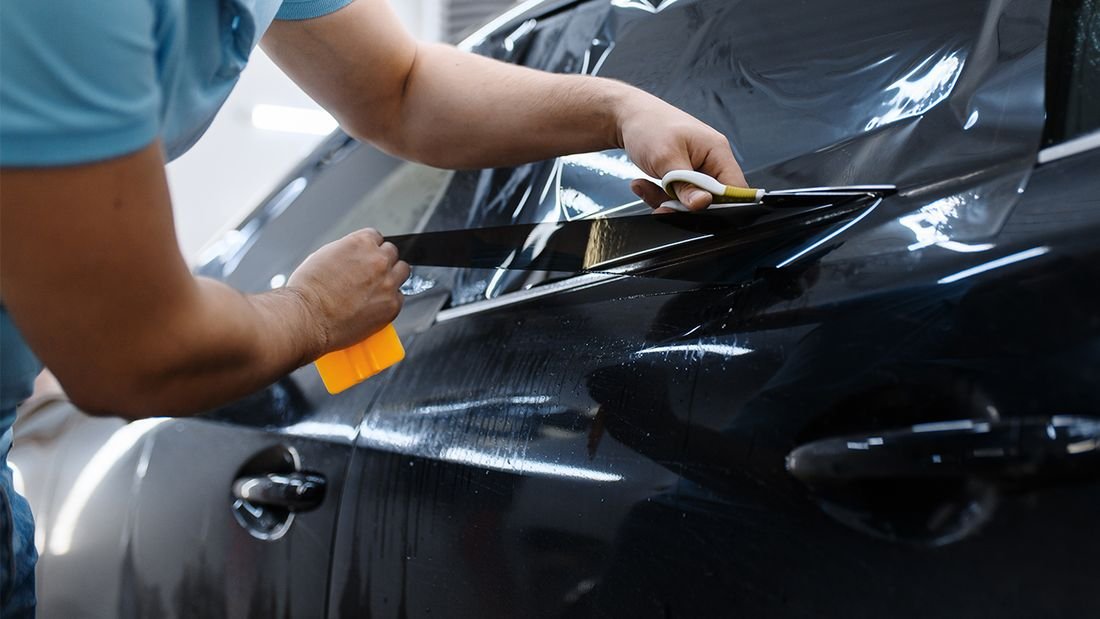
Work from the centre and finish at the edges. Any solution left behind an edge on a safety film is a future lift, not a future bubble.
Trim to a consistent gap and inspect the whole perimeter. On safety work the edge detail is the specification — some schedules call for a sealant or an attachment system at the frame.
Allow the cure time before cleaning. The adhesive is still building for several days — longer in cold weather and longer again on 8 mil, because there is more solution to work out.
Haze and water pockets are normal at first. Residual slip solution clears on its own over one to three weeks depending on thickness and temperature. Tell the client at handover so it is not logged as a defect.
Clean with a soft cloth and a neutral cleaner. No ammonia and no abrasive pads. Brief the cleaning contractor, because they are the ones who will actually touch it.
No blades and no scrapers. The 3H coat handles normal cleaning, not a razor. Stickers and tape come off with heat.
Film goes on the inside face. Which is what makes retrofit practical — no access equipment outside, and the film never meets weather.
Check the frame detail against the specification. Some safety schedules require the film to be attached to the frame rather than stopping at the glass edge. That is a design decision, not an installer’s.
Watch thermal stress on tinted or heat-absorbing glass. Adding a reflective film to certain glass types changes how the pane heats. Send us the glass specification before you order Silver Light for a facade.
Record the batch. Five years on the safety range runs from the install date, against the batch printed on the carton. Keep it with the O&M file.
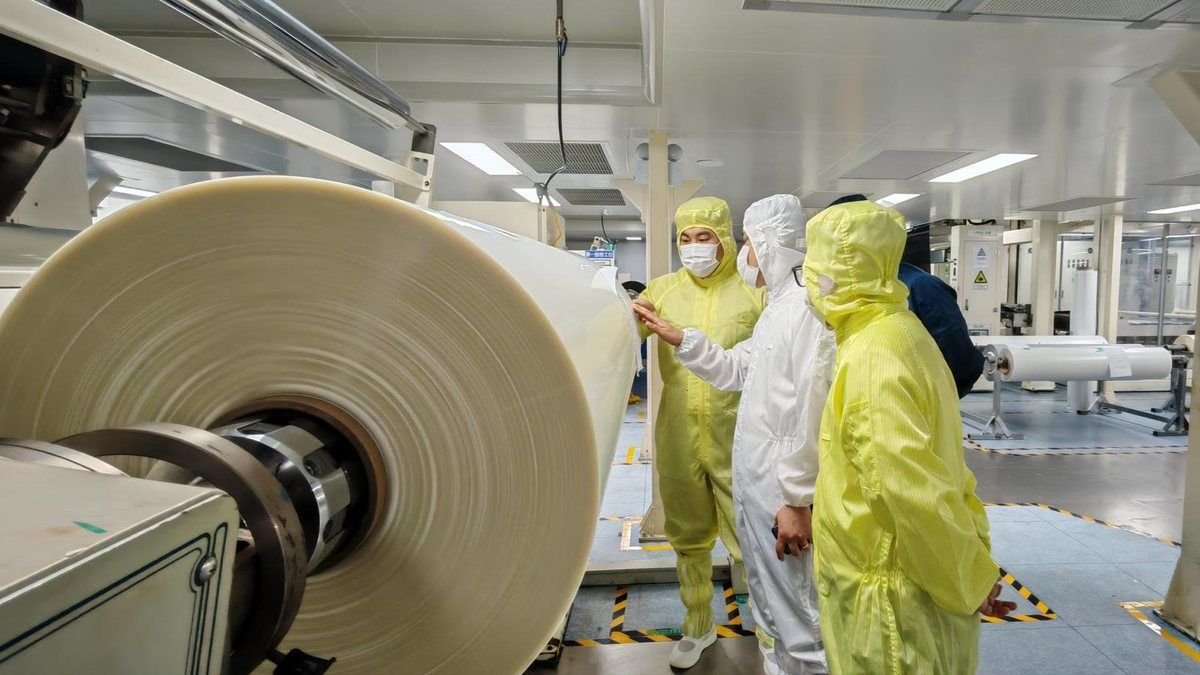
Architectural film runs on the same lines, in the same cleanroom and under the same batch records as everything else we make. What changes is which instrument matters: on a safety film the number that decides whether the product works is adhesion, not optics. Our precision coating lines run the whole range.
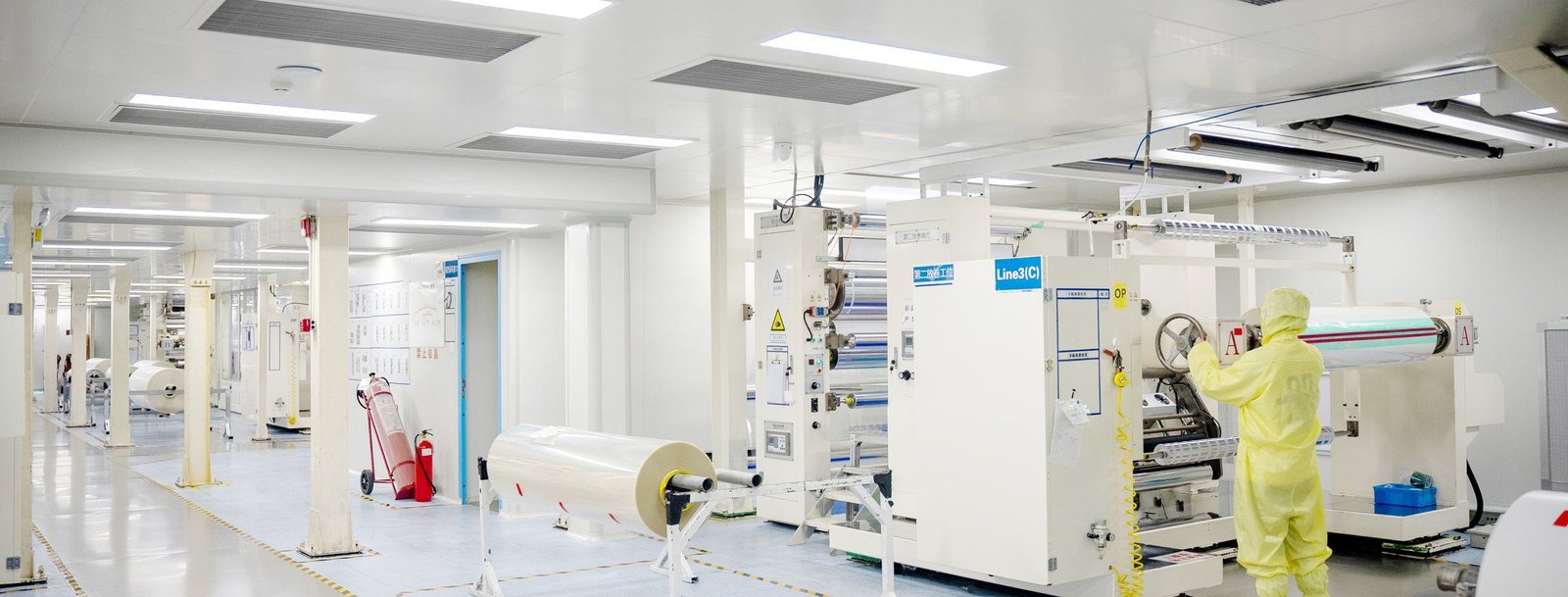
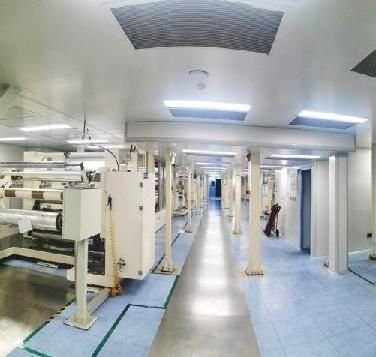

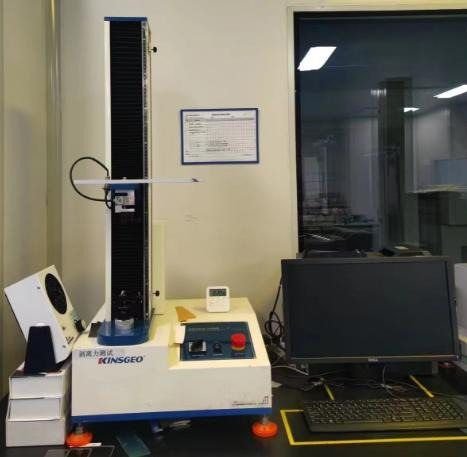
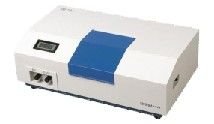
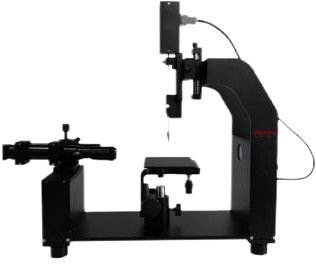
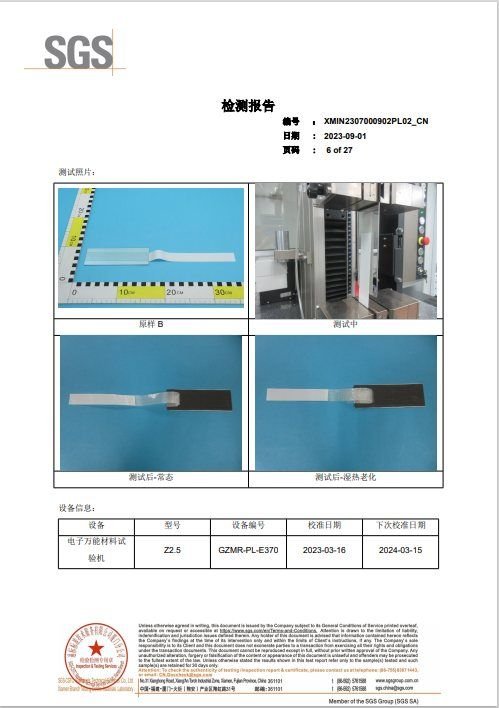
Peel and tensile testing, on every batch. A safety film that is not still bonded in year four is not a safety film at all, and adhesion is the only property on this page that fails quietly. The haze meter produces the transmission figures, and the QUV chamber is what stands behind the five-year warranty.

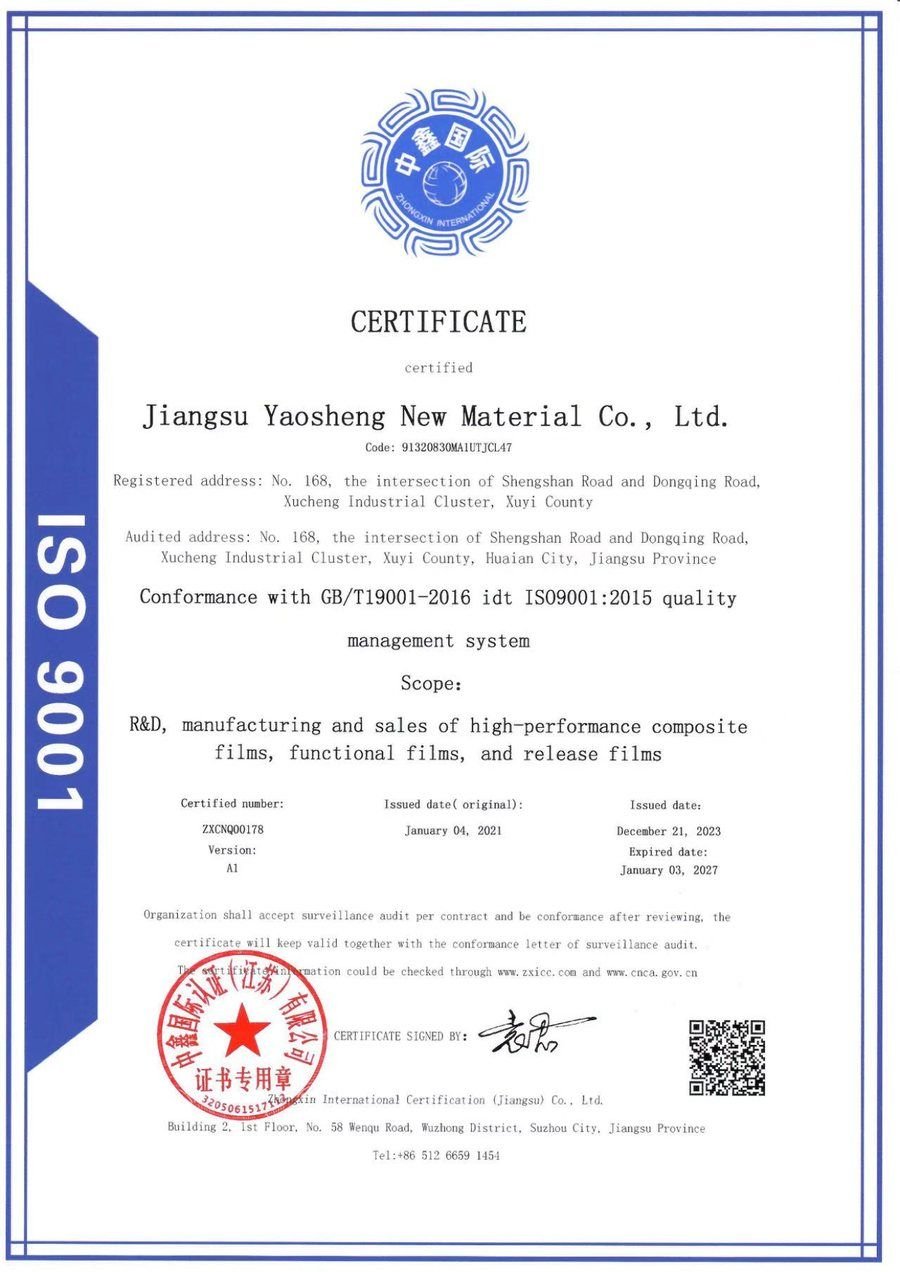
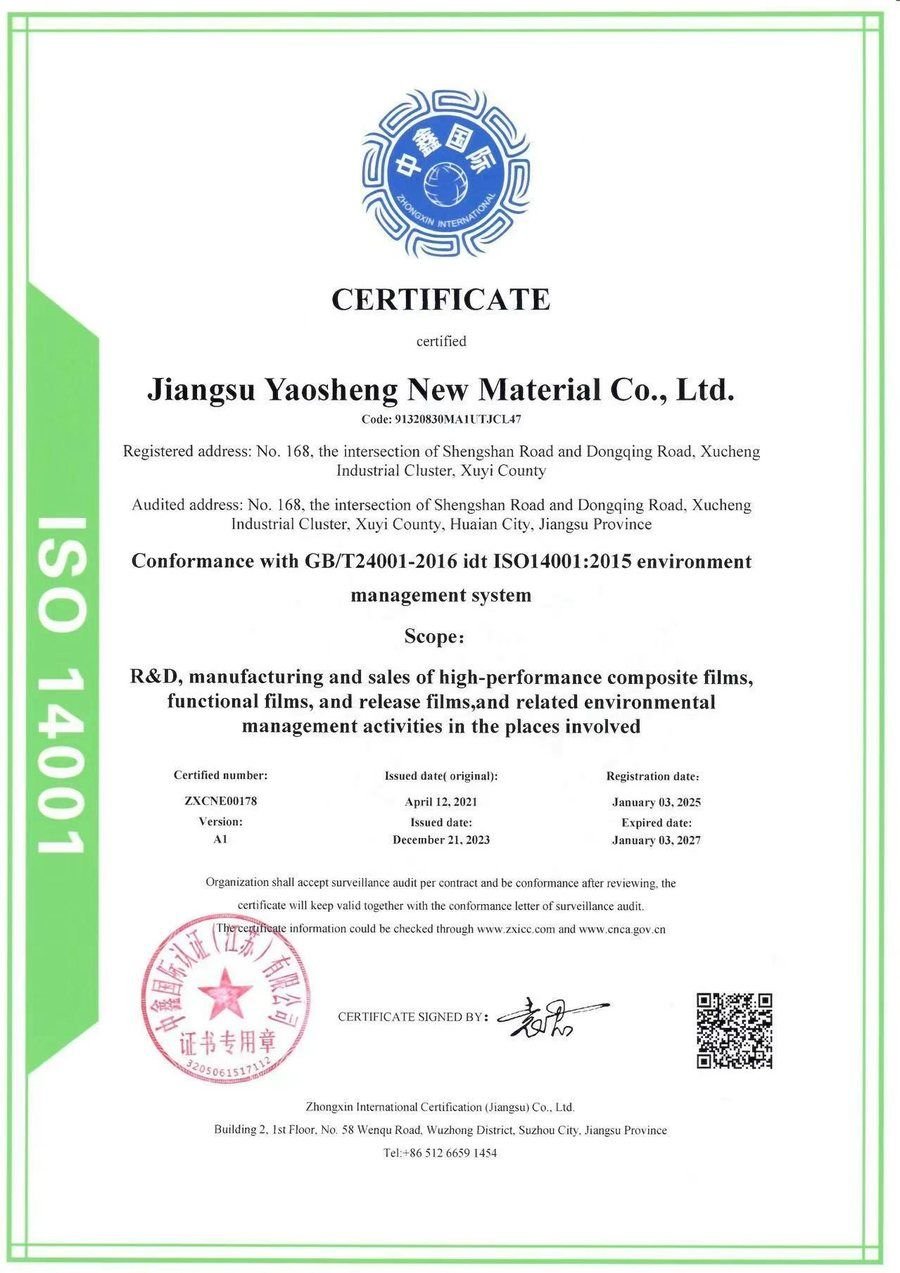
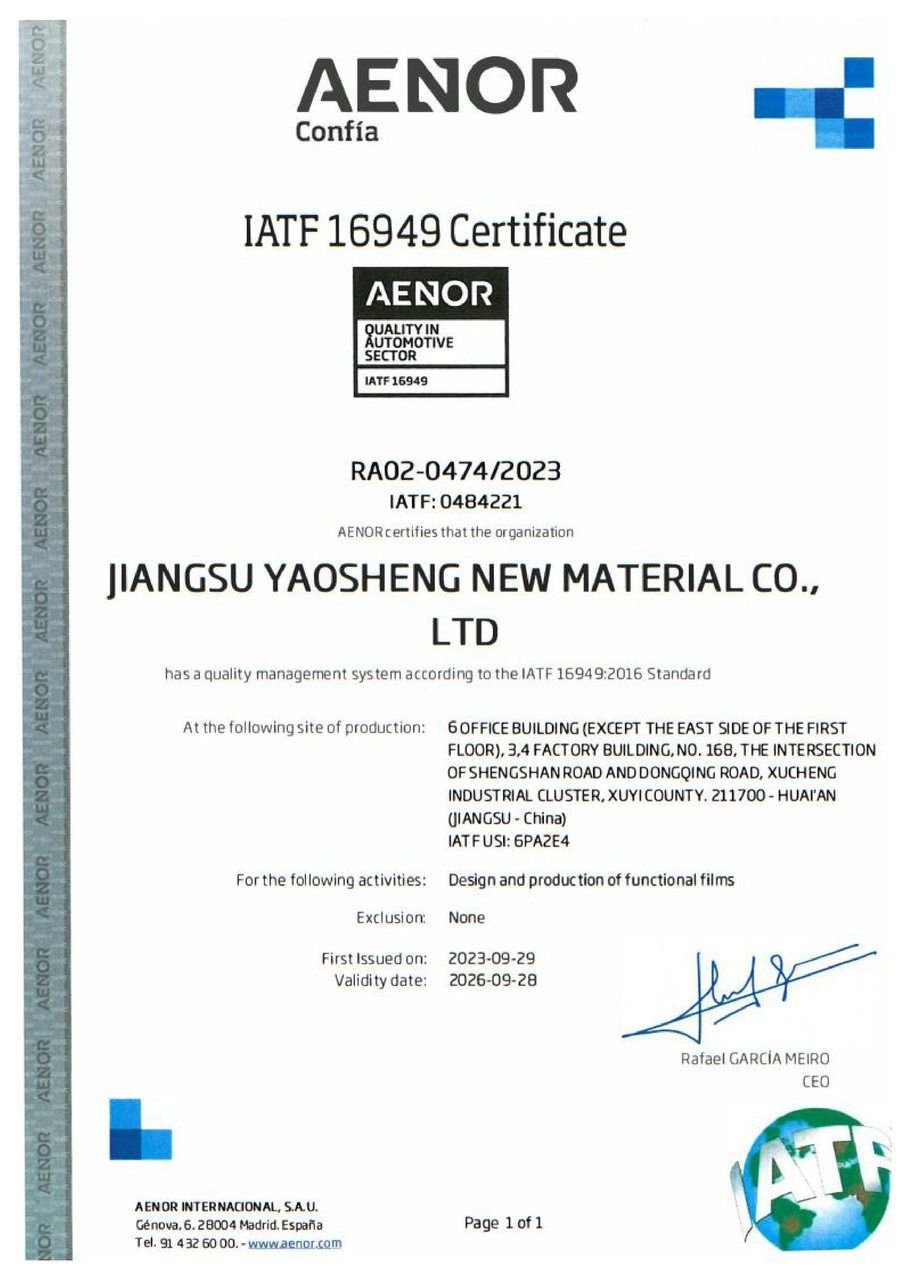
The same quality system covers the architectural range and the automotive one. IATF 16949 certification is an automotive standard rather than a construction one, but it is the reason our batch traceability is tight enough that a five-year claim can be traced to a coating run. Full copies travel with a sample request.

A short range with a long sales cycle. Architectural film is specified months before it ships and then ordered against a schedule, so what a distributor needs from us is not a shelf — it is width flexibility, batch consistency across a phased project, and documentation that survives a specifier’s questions.
A dedicated follow-up team acknowledges and confirms within six hours of receipt.
Warehouse ships within twelve hours of acceptance and tracks through to signed delivery.
Phased projects can draw from the same coating run months apart, which is what keeps a facade looking like one job.
Your carton, labels and warranty card, from first brief to first bulk delivery.
Distributors and glazing contractors buy from the same price book — see distributor pricing. If you also supply vehicle work, the automotive window film range ships from the same warehouse on the same container.
Most of what we coat goes onto vehicles rather than buildings. If you supply both trades, these ship on the same container from the same warehouse.

Forty-seven models across four routes — nano ceramic, magnetron sputtered, dyed and OEM — from 80% down to a measured 1% light transmission.
A 200 mu park, 6,000 m² of cleanroom, three precision coating lines and fifty-plus imported test instruments. Everything on this page is made here.
Ten questions specifiers and glazing contractors ask before a first order — on what the film actually does, on ratings, and on the numbers we leave blank.
No, and anyone telling you otherwise is selling something. The glass breaks exactly as it would have. What changes is what happens next: the fragments stay bonded to the film and the film stays bonded to the pane, so a broken window remains a broken window in its frame rather than becoming loose glass on the floor. That is a genuinely valuable thing in a shopfront, a corridor or an atrium — it is just not the same thing as unbreakable glass.
Four mil (JF-90) for most schedules. It is the grade that gets written into school, hospital and office work, and the one we ship most of. Two mil (JT-90) is the entry grade where budget decides and something is better than nothing — shopfronts and domestic retrofits. Eight mil (JE-90) is for blast and forced-entry work as part of a tested assembly. All three are 90% transmission, so the decision never costs daylight.
Not on film alone, and neither can anyone else honestly. A blast classification belongs to a tested glazing assembly — the glass, the film, the frame, the fixings and the sealant, tested together on a rig. Film thickness is an input to that test, not a result of it. Specify JE-90 by model and thickness, have the assembly tested if the brief requires a classification, and we will supply whatever film data the test house asks for.
Because we have not run those tests on the architectural range, and we would rather publish a blank than an estimate. Safety film is specified on thickness and fragment retention, not on heat; nobody writes JF-90 into a schedule because of an infrared figure. If a project specification does require measured solar performance, name the models and the glazing build-up and we will have the combination tested rather than quote a film-only number that will not survive a facade calculation.
The safety range, almost not at all — 90% visible light transmission on a clear film, applied to the inside face. The Silver Light range is the opposite: it is a reflective film and it will read as a mirror from outside in daylight. That is the point of it, but it is also something planning authorities and landlords sometimes have views about, so check the elevation rules before the order rather than after the scaffold is up.
Five years warranted on the safety range and three on Silver Light, dated from the install and recorded against the batch printed on the carton. Interior-face glazing film generally outlives its warranty comfortably because it never meets weather; what shortens it is ammonia-based cleaning and abrasive pads, which is why the cleaning contractor matters more than the installer after year one.
Most of it, but send us the glass specification first if you are putting a reflective film on a facade. Adding solar control film to certain tinted, coated or heat-absorbing glass types changes how the pane heats and can raise the risk of thermal stress. On clear annealed and toughened glass with the clear safety range, it is a straightforward retrofit. Laminated and double-glazed units have their own considerations — worth a conversation rather than an assumption.
It is an anti-shatter film, which is a component of security glazing rather than a substitute for it. Someone determined to get through a filmed pane will get through it; the film buys time and keeps the opening closed while they try. If the brief is genuine security, the answer is a tested assembly — laminated glazing, the right frame and fixings — with film as a supplement. We would rather say that here than have it discovered on site.
Slit to order — and on architectural work this is worth getting right. A curtain wall module that needs two pieces instead of one doubles both the labour and the visible seams, so send us the glazing schedule and we will recommend the width split before you order. Eight mil is tensioned and inspected separately because a badly wound roll of JE-90 will fight the fitter all day.
Yes — carton artwork, labels, roll length, core size and the warranty card, on an eight-week schedule from brief to first bulk delivery. What stays fixed is the construction and the batch testing regime, because on a safety film that is what makes a five-year claim traceable to a coating run. Terms are on the private label page.
Tell us what the glazing is and what the specification asks for. We will send physical samples of the grades that fit, the measured data behind them, and a straight answer on anything we have not tested.
We reply within one working day. Your details are used only to answer this enquiry.
Fill in the form below to book a 30 min no-obligation consulting session.
I will reply within 24 hours.