
Lightest grade
62% VLT
SC-7090SC run
IR 950 93%
IR 1400 96%
UV 99%
Catalogued as 70. Measures 62% VLT.
7 yr2 milHaze 0.7

Home/Automotive window film/Sputtered
Magnetron sputtered nano-ceramic titanium nitride in nine models — 95% infrared rejection at 950 nm from 62% VLT down to 6%.
This is the top of our catalogue, and it earns the position on one number that barely moves: eight of these nine models measure 95% at 950 nm whatever shade you pick. It is sputtered titanium nitride, not a metal mirror — so the film carries no continuous conductive layer and nothing happens to GPS, 5G or tyre-pressure sensors.
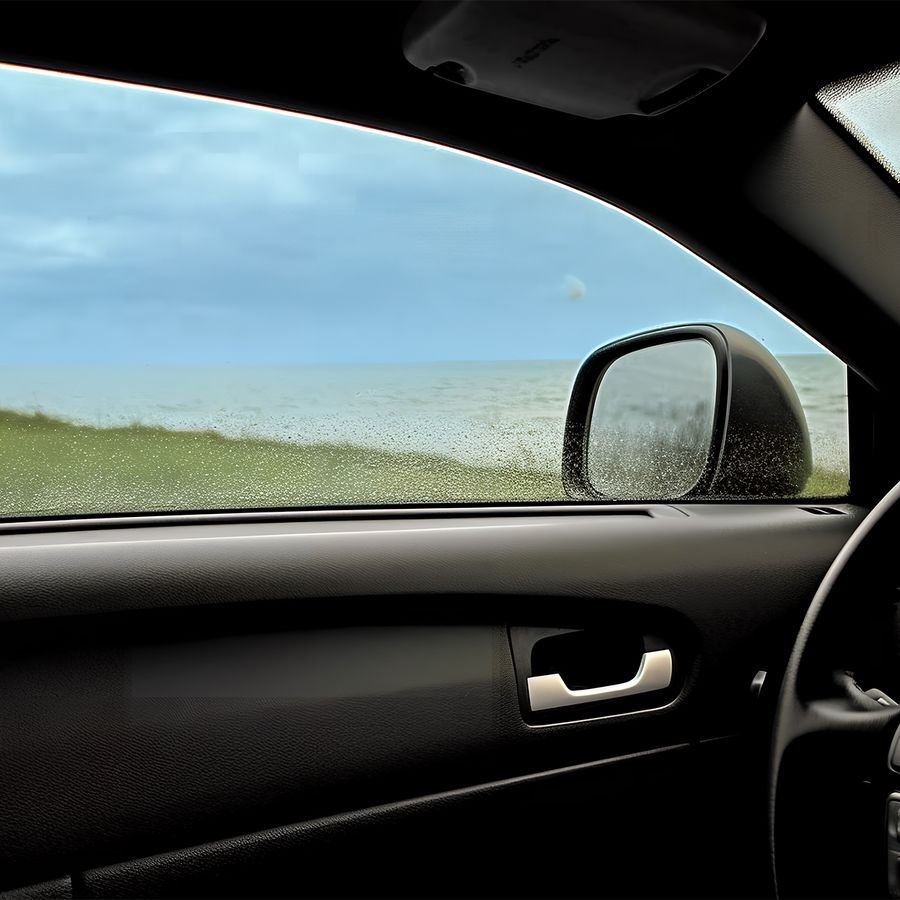 35%VLT
SC-3595 · 35% VLT. The mid shade of the SC run. 95% at 950 nm and 97% at 1400 nm — the same 950 figure as the 6% grade.
The swatch shows how dark the glass actually looks; the bars show what our laboratory measured. Read the 950 nm row first — it is 95% on eight of the nine, whatever the shade. The row that separates the runs is 1400 nm.
9 of 9 models shown
Catalogued as 70. Measures 62% VLT.
The one model under 95 at 1400 nm. SC-0595T is the same shade at 99%.
No sputtered model matches that combination. Widen the shade band, or ask us — we run custom shades on all three lines.
The same nine models as numbers, including the haze column that decides how a light grade looks at night. Every figure here came off an instrument in our own quality centre.
| Model | VLT | IR 950 nm | IR 1400 nm | UV | Haze | Thickness | Warranty | Run | |
|---|---|---|---|---|---|---|---|---|---|
| SC-7090Catalogued 70, measures 62% | 62% | 93% | 96% | 99% | 0.7 | 2 mil | 7 yr | SC | |
| SC-7095T | 60% | 95% | 99% | 99% | 0.7 | 4 mil | 8 yr | SC-T | |
| T-60T | 60% | 95% | 98% | 100% | 1.2 | 3 mil | 7 yr | T | |
| SC-3595 | 35% | 95% | 97% | 99% | 0.76 | 2 mil | 7 yr | SC | |
| SC-2095T | 20% | 95% | 99% | 99% | 0.7 | 4 mil | 8 yr | SC-T | |
| T-20T | 20% | 95% | 98% | 100% | 1.2 | 3 mil | 7 yr | T | |
| SC-1595 | 16% | 95% | 95% | 99% | 0.75 | 2 mil | 7 yr | SC | |
| SC-0595T | 8% | 95% | 99% | 99% | 0.7 | 4 mil | 8 yr | SC-T | |
| SC-05951400 nm reads 91% – see SC-0595T | 6% | 95% | 91% | 99% | 0.65 | 2 mil | 7 yr | SC |
Values are averages obtained by our testers under our factory laboratory standard test method. Two notes we would rather you heard from us than found out later: SC-7090 is catalogued as 70 and measures 62% VLT, and SC-0595 is the one model in the range that drops below 95 at 1400 nm — it reads 91%. If the long wave matters in your market, that is exactly what the SC-T run is for. We do not publish TSER for any film in our catalogue; what is TSER explains why.
Six situations this range is bought for, and the model we would quote against each. Two of them are situations where we would sell you something cheaper.
Then give them the row that does not move. 95% at 950 nm and 99% at 1400 nm, published at three shades on the same run, with an eight-year warranty behind it.
60% VLT with the full sputtered performance behind it, at 0.7 haze so it still reads clear at night. This is the grade that wins the argument against a light ceramic film.
The Spectral Filter Series is the only sputtered run measuring 100% UV rejection, and it holds 98% at 1400 nm at both of its shades. Three mil, so it also handles a deep rear screen well.
8% VLT and still 95 / 99. The dark end is where a cheaper film quietly gives up the long wave; this one does not, which is the whole reason the SC-T run exists.
The two-mil SC run, seven years, the same 95% at 950 nm. You give up a little at 1400 nm — and at the 6% grade you give up rather more. Quote it with that said out loud.
Then do not force it. A nano ceramic film measures 92–96% at 950 nm for less money, and for rear-glass privacy work a dyed film does the job at a fraction of the cost.

Magnetron sputtering is a vacuum process. A target of nano-ceramic titanium nitride is bombarded with ions until atoms leave its surface, and those atoms settle onto imported optical-grade PET one layer at a time. The result is not a coating that sits on the film. It is a filter grown into it, thickness controlled to the nanometre.
That control is the entire product. A dispersed absorber — what our nano ceramic window film uses — works by loading particles into a coating, so how much it stops is tied to how much material is in the light path. A sputtered filter is tuned instead: the layer stack is built to reject specific wavelengths and pass the rest, which is why the same 95% figure at 950 nm turns up at 62% VLT and again at 6% VLT.
A dispersed absorber asks how much material you put in. A sputtered filter asks what you tuned it to. That is why shade and heat come apart on this range and nowhere else in our catalogue.
One thing sputtering is usually assumed to mean, and does not mean here: metal. The old sputtered tints deposited aluminium or silver and behaved as partial Faraday shields. We sputter titanium nitride, a ceramic conductor that never forms a continuous metallic sheet — which is why the SC run carries the name 5G Ultra-clear on the catalogue page rather than as marketing.
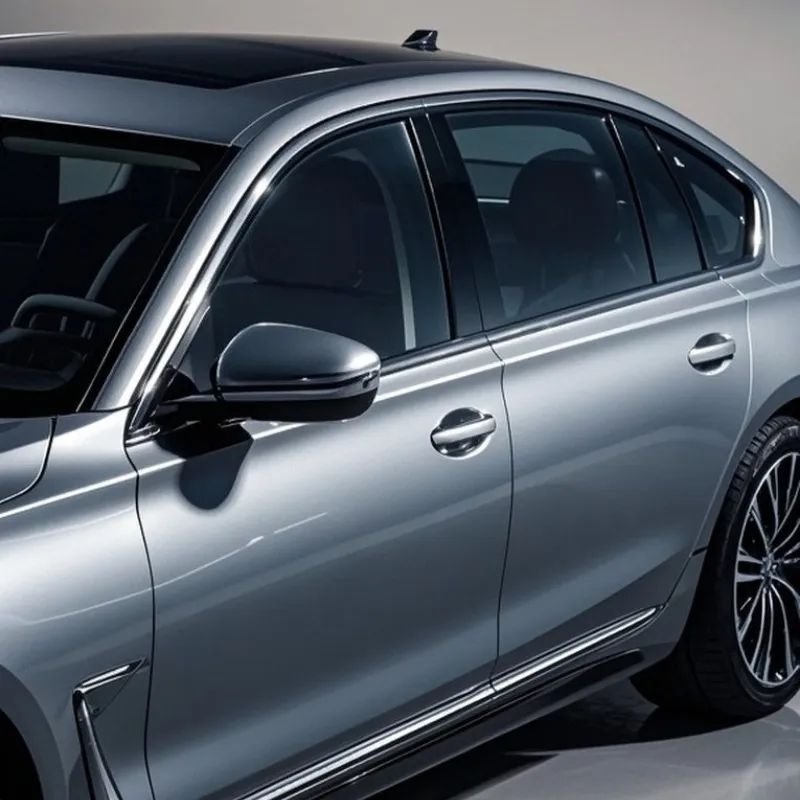
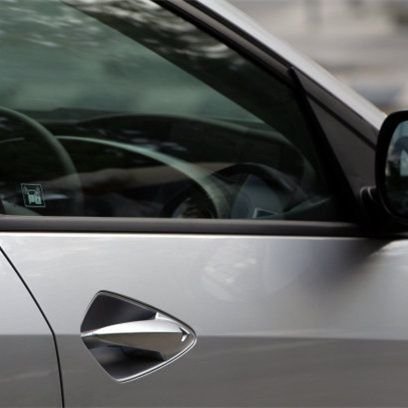
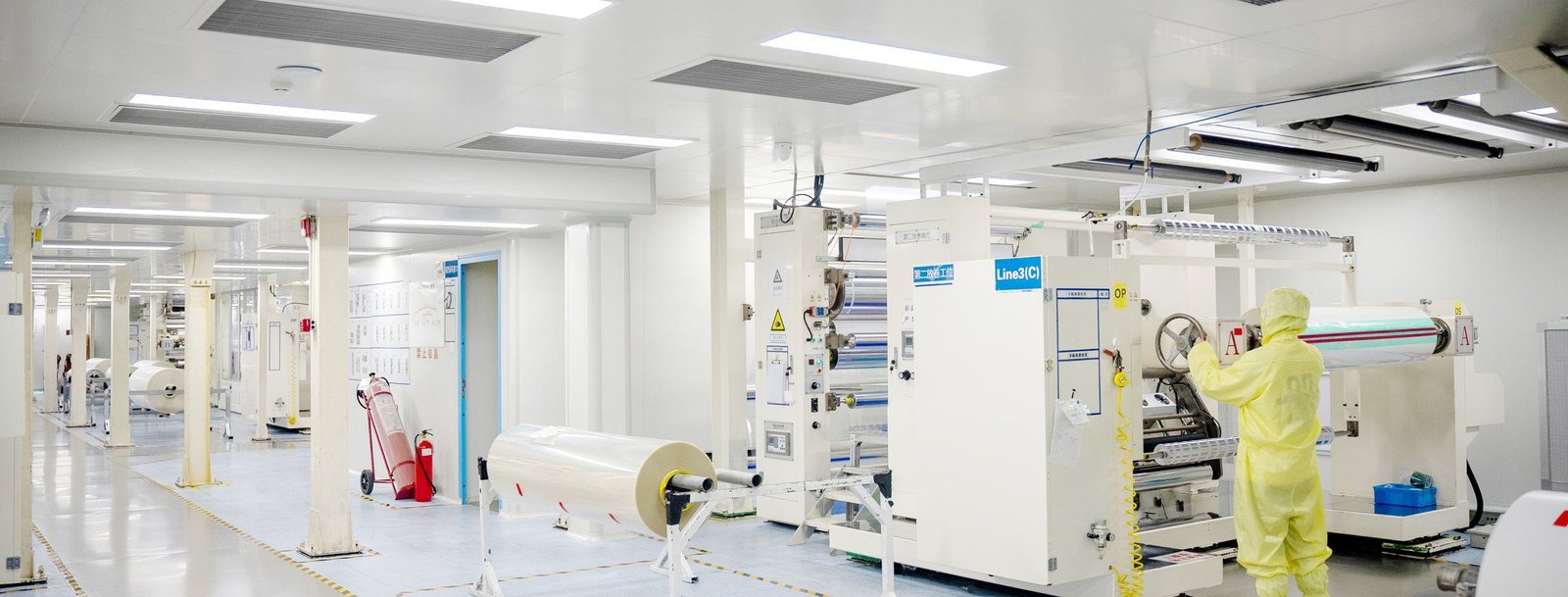
The sputtered filter is the same chemistry on all three runs. What changes is how much optical-grade PET sits under it and how many plies the composite carries — two mil, three mil, four mil. Watch each stack: the layers fall into place in the order they meet the glass.
The working grade. One ply of imported PET under the filter, the full shade ladder from 62% down to 6%, and a seven-year warranty.
SC-7090 / 3595 / 1595 / 0595 — 95% at 950 nm on three of the four, haze from 0.65.
The Spectral Filter Series. Half a mil more film and a stabiliser load tuned for the ultraviolet band — the only run in our whole catalogue, ceramic included, that measures 100% UV.
T-60T / T-20T — 95% at 950 nm, 98% at 1400 nm, 100% UV. Haze 1.2.
Double the substrate of the SC run. That is what buys the flat long wave: 99% at 1400 nm at every one of its three shades, plus the eight-year warranty and the easiest heat-shrink in the range.
SC-7095T / 2095T / 0595T — 95 / 99 at 60%, 20% and 8% VLT. Haze 0.7 throughout.
All three run through the same vacuum chambers and the same three-stage inspection. Thickness is a handling and durability decision as much as an optical one — four mil forms onto a deep rear screen more predictably than two, which is why installers who do a lot of rear glass ask for the SC-T run by name.
Most buyers hear “sputtered” and think metal, and they are right about the history. Sputtering is how aluminium and silver tints were made, and those films really do interfere with radio. What we sputter is titanium nitride — a ceramic conductor that never closes into a continuous metallic sheet. Same process, different target, and the difference shows up on the antenna.
The filter stack rejects the near infrared by interference rather than by mirroring it off a metal plane. There is no closed conductive layer for radio to see, so the film stops the heat and lets the signal through.
Result: 95% infrared rejection at 950 nm and up to 99% at 1400 nm, with no measurable effect on the vehicle’s antennas, keyless entry, tyre-pressure sensors or rear-screen defroster.
Aluminium or silver deposited as a continuous film reflects infrared extremely well. It also behaves as a partial Faraday shield, and a Faraday shield is not selective about which frequencies it stops.
Result: a strong heat number on paper, a mirror finish several markets will not accept, and the complaint an installer hears first — a weak phone signal, or a tyre sensor that drops out.
When a customer asks whether a sputtered film will kill their signal, the honest answer is that it depends entirely on what was sputtered — and that most of the films that gave the process its bad name are still on the market. Ours shares the titanium nitride chemistry with our nano ceramic window film; the difference is that here it is deposited as a tuned filter rather than dispersed in a coating. If you want a written statement for a fleet or dealer tender, ask and we will put it on letterhead with the test data behind it.

At 950 nm this range is a straight line: 95% on eight of the nine models, from the lightest grade to the darkest. So the number that actually separates the three runs is the long wave at 1400 nm — and that is what this chart plots. Watch the SC-T line. It does not move.
The vertical axis starts at 88%, not zero — every figure on this chart sits between 91 and 99, and a zero-based axis would flatten the only difference worth seeing. The 950 nm baseline is drawn for reference: on this range the long wave is usually the better number, which is the opposite of what most film does.
Solar energy does not stop at 950 nm. A large share of the near-infrared a cabin actually receives sits further out, and 1400 nm is the point where a film either holds its construction together or starts to leak. Any decent modern film can post a strong 950 figure; far fewer hold 99% at 1400 nm across three shades. If your buyers only ever compare one number, this is the number to teach them — and window tint percentages is the page to send them to first.
Nine models, coated as three runs. They share the magnetron-sputtered titanium nitride and differ in substrate thickness, stabiliser load and warranty — which is what decides the price band each one sells into.
The one we put first. Four mil of imported composite under the same filter, 99% at 1400 nm at all three shades, haze 0.7 throughout, and the longest warranty in the sputtered range.
The volume run and the widest shade ladder, 62% down to 6%. Same filter chemistry at half the thickness, seven years, and the lowest haze figure we publish anywhere — 0.65 on the darkest grade.
Spectral Filter Series. The only run in the entire catalogue — sputtered, ceramic or dyed — that measures 100% ultraviolet rejection, and it holds 98% at 1400 nm at both shades.
The SC run is one recipe sputtered at four shade levels — same titanium nitride target, same imported PET, same adhesive. Only the visible light transmission changes, and the 950 nm figure barely notices. Each pane below darkens to its measured value as it scrolls into view; the bar on the right is the one that refuses to move.

Four shades, a nine-fold change in how much light gets through, and the 950 nm bar moves by two points across the whole ladder. That is the practical meaning of a spectral filter, and it is the argument this range is bought on.
On most film, shade and heat are the same dial: the customer who wants a light windscreen strip accepts a weaker number, and the one who wants a dark rear screen gets the good number by accident. On a sputtered filter they come apart. That changes the conversation at the counter more than any single percentage does.
You stop selling shade as a compromise. A customer picks the look they want — legal front sides, dark rear, anything between — and the specification you quote is the same one either way. No re-quoting, no explaining why the light film performs worse, no upsell to a shade the customer did not want. For an installation chain training new fitters, that is one fewer thing that can go wrong in the sales conversation.
Two places, and we would rather name them. First, the 2 mil SC run at its darkest grade: 1400 nm falls to 91% on SC-0595, the only figure below 95 anywhere in this range. Second, haze — the 3 mil T run measures 1.2 against 0.7 on SC-T, which a customer can see at night on a windscreen and cannot see at all on rear glass. Neither is a reason to avoid those models; both are reasons to put them on the right window. If neither trade suits the job, a nano ceramic window film at 0.50 haze is the clearer film, and a dyed window film is the cheaper one.
Haze is scattered light. On rear and side glass nobody notices 1.2; on a windscreen at night against oncoming headlamps, they do. Quote SC-T or SC for windscreen work and keep the T run for side and rear where its 100% UV figure is the selling point.
SC-0595 and SC-0595T are the same shade to the eye — 6% and 8% VLT. At 950 nm they are the same film, both 95%. At 1400 nm one reads 91% and the other 99%. That eight-point gap is the entire case for the 4 mil run, and it only appears at the dark end.
Sputtered stock is the most expensive film per square metre we ship, which makes the width split the decision that actually protects your margin. Order one width across several shades of the same run and slit the rest to order.
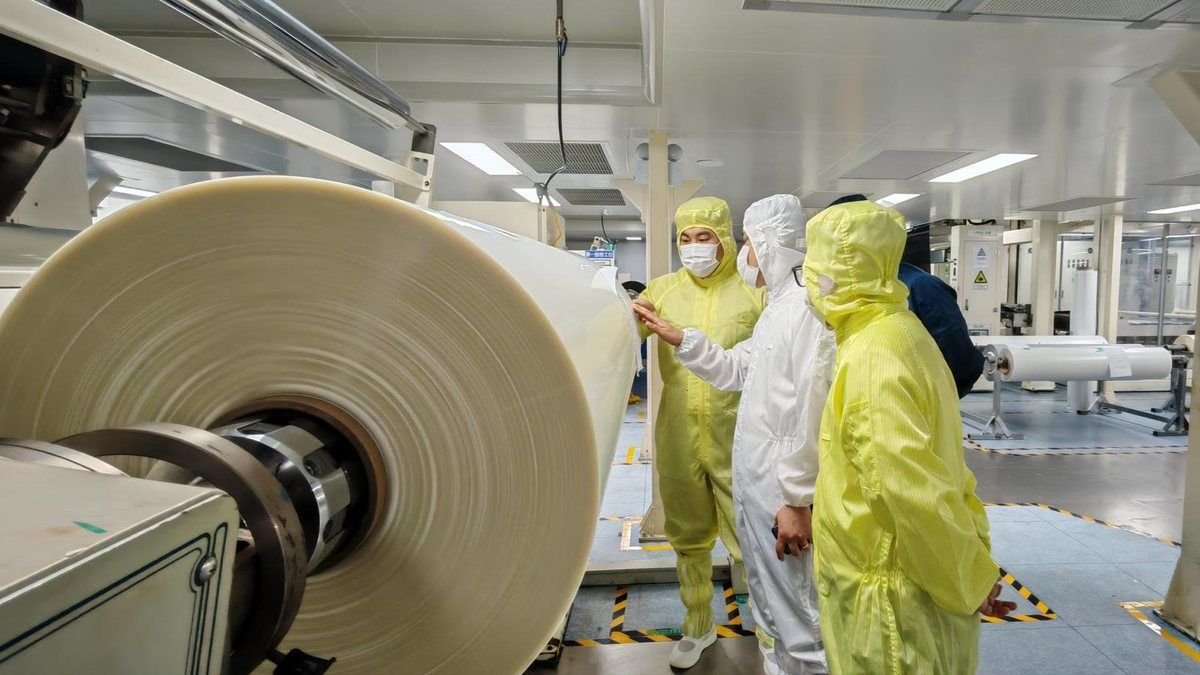
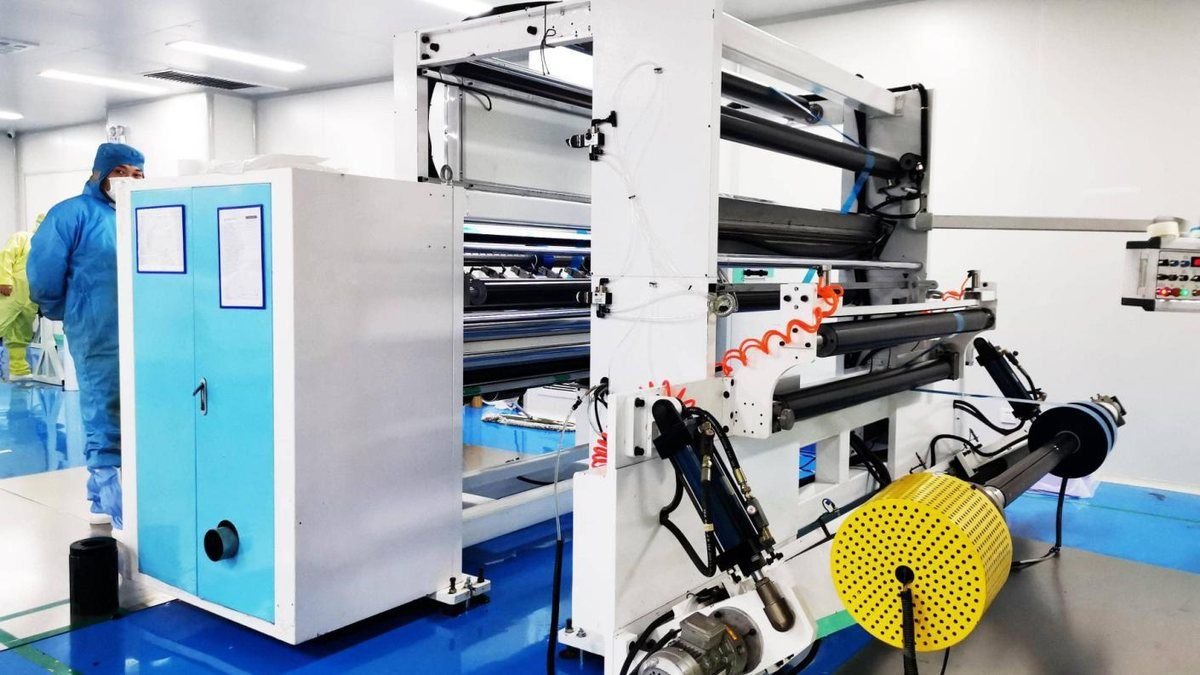
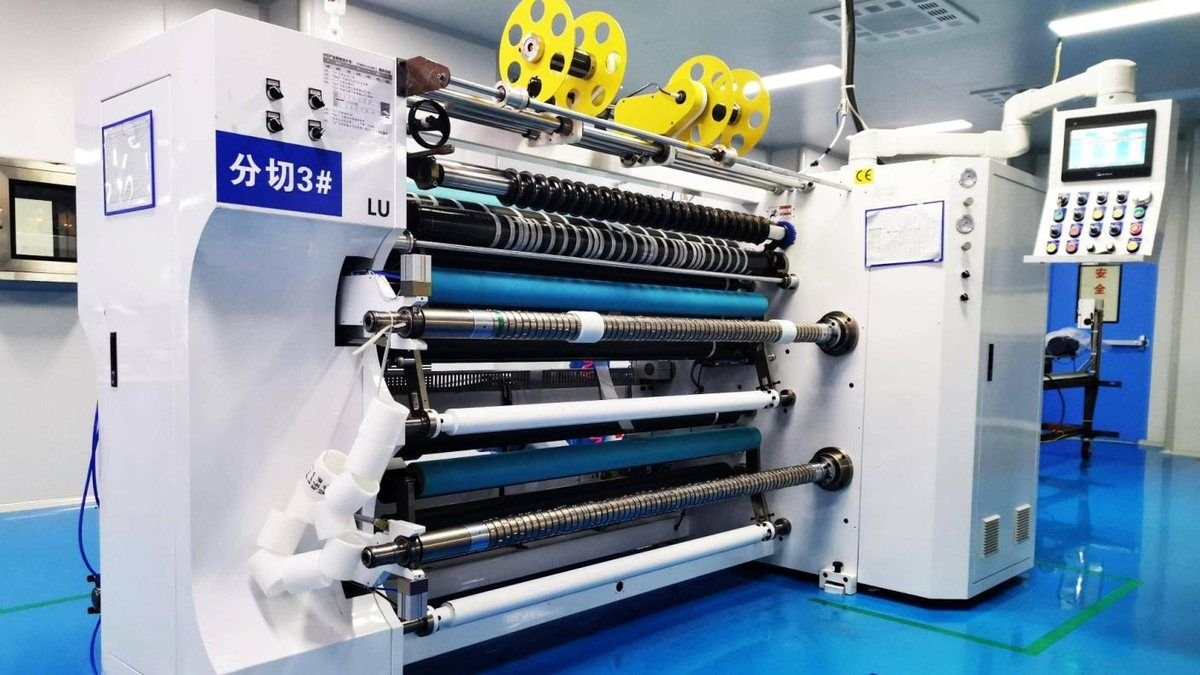
Five slitting and rewinding lines, so a mixed-width, mixed-run container is a normal order rather than a special one. Four mil stock is the least tolerant of a badly wound roll, so SC-T is tensioned and inspected separately before it is labelled.
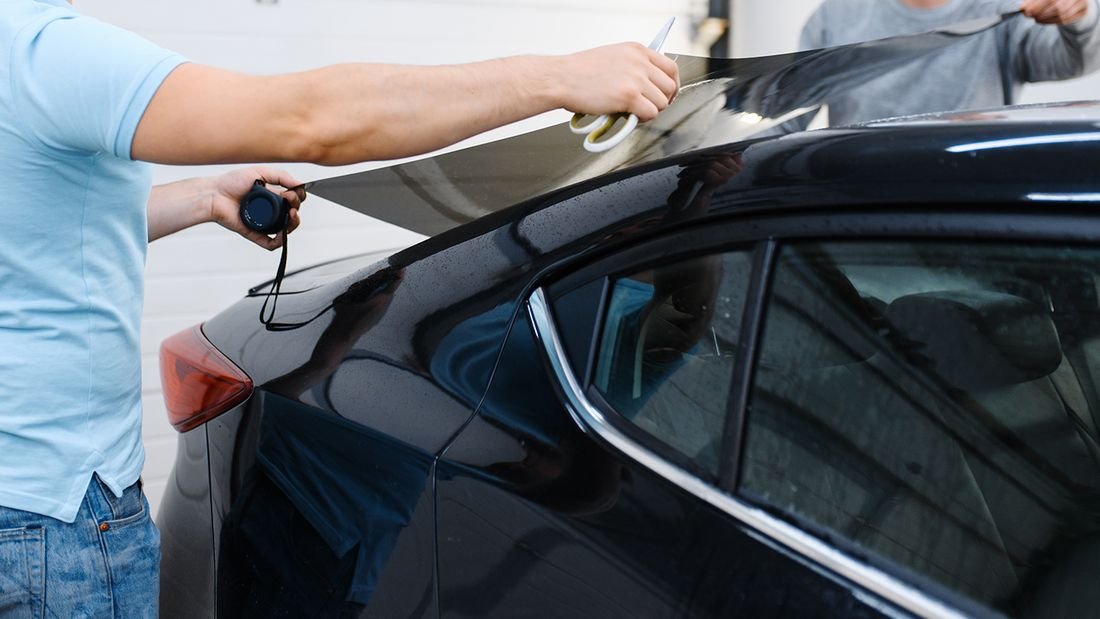
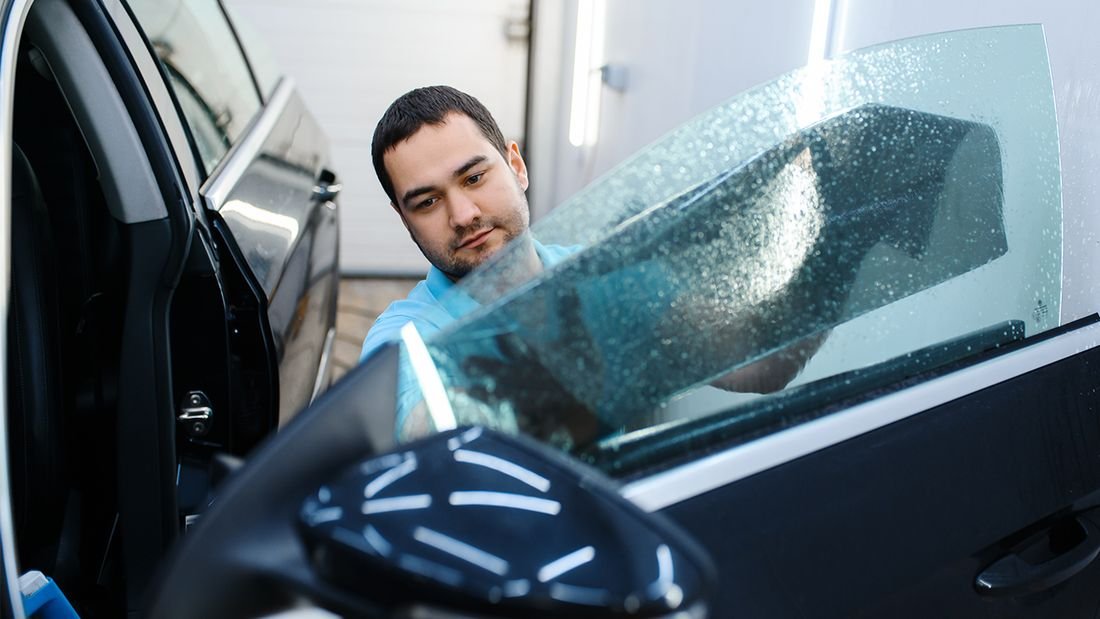
This is the most forgiving film in our catalogue to fit and the least forgiving to waste. Four mil shrinks onto a deep rear screen more predictably than anything else we make — and at this price, a panel cut wrong costs real money. This is the sequence our training programme teaches.

Wash, scrape and degrease the glass. Anything left behind is sealed under the film for eight years, which is how long this one is warranted.
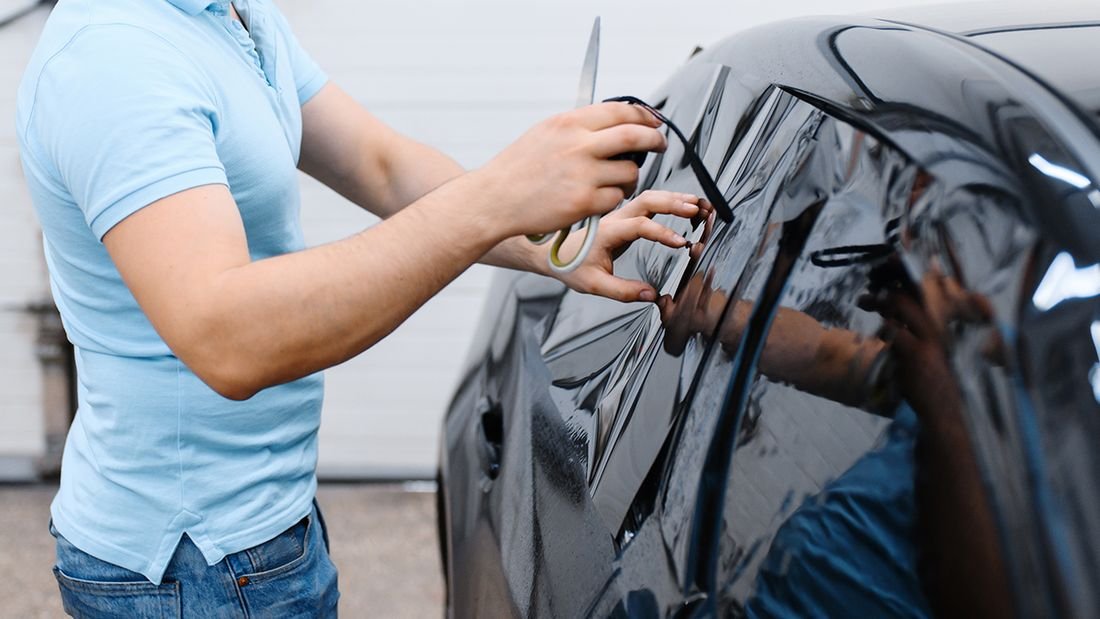
Plot from the model database where you can. On 4 mil stock the offcut is the expensive part, so nest the panels before the blade goes near the roll.
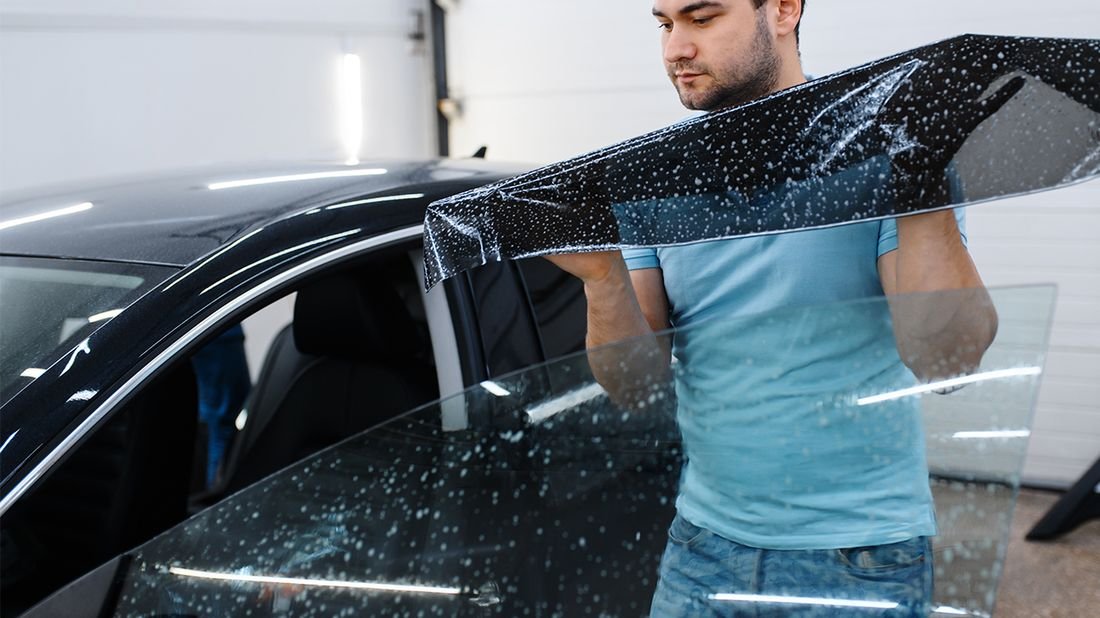
The step this range is best at. Four mil holds its shape while it forms, so deep compound curves come out flat with fewer passes than a 2 mil film needs.
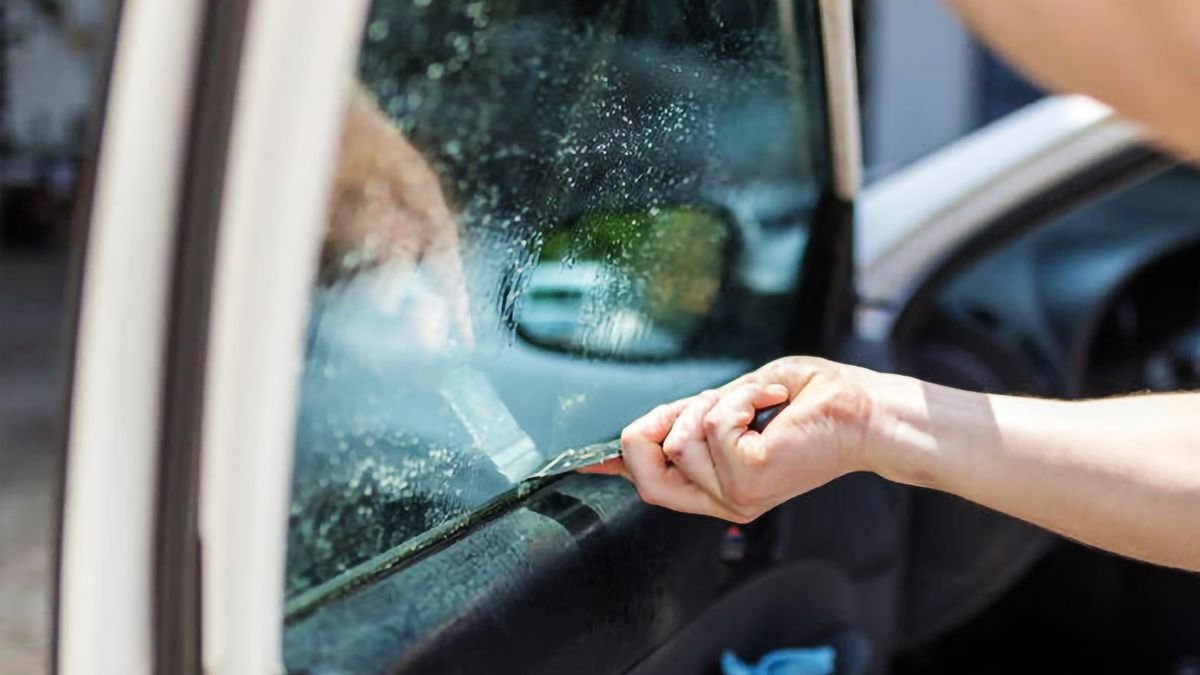
Slip solution lets the film float so it can be placed without creasing, then the adhesive builds as the solution leaves.
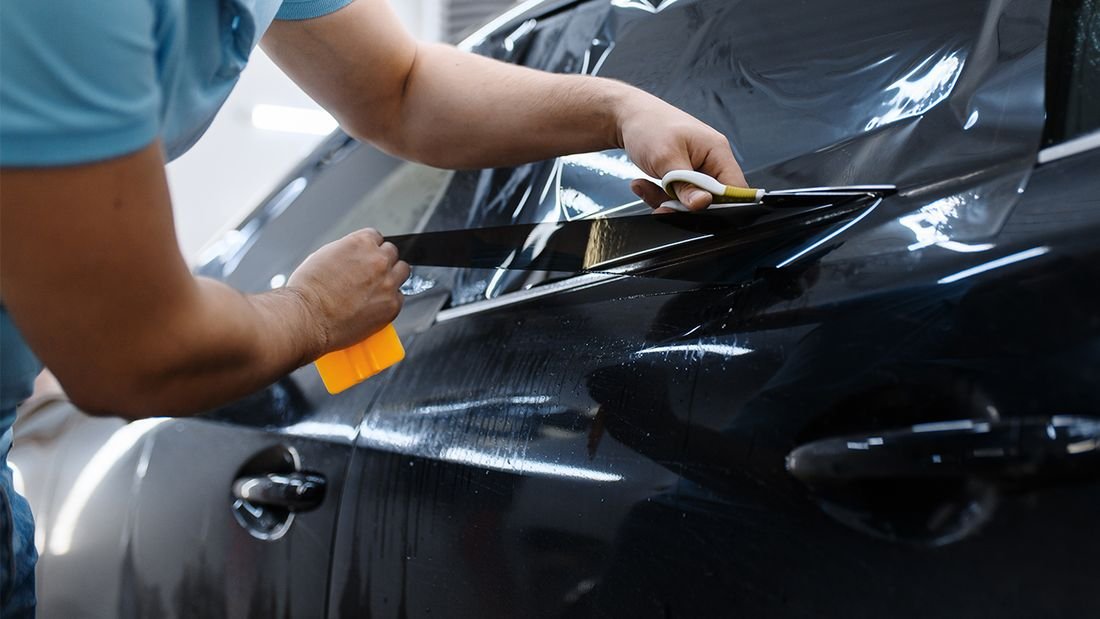
Solution driven out from the centre, edges worked down, then a standardised inspection under strong light. On a light grade, check for haze while the car is still in the bay.
Leave the windows up for three days. The adhesive is still building. Rolling a window down early is the single most common cause of a lifted edge.
Small water pockets are normal at first. Residual slip solution shows as faint haze or bubbles for a week or two and clears on its own. On 4 mil it can take a few days longer than you expect.
Clean with a soft cloth and a neutral cleaner. No ammonia. Ammonia attacks the hard coat, and the hard coat is what protects the filter underneath it.
No blades, no abrasive pads. The 3H coat resists ordinary handling, not a razor. Stickers come off with heat, not a scraper.
Film goes on the inside. So the sputtered layer only ever meets cabin conditions, never road grit or a wash brush.
Defroster lines and aerials are fine. There is no continuous metal layer, so nothing interacts with rear-screen heating elements or an embedded antenna.
Removal is a professional job. Heat and patience take film and adhesive together. Four mil actually removes more cleanly than a thin film, because it does not tear.
The warranty runs from the install date. Seven years on SC and T, eight on SC-T, recorded against the batch printed on the carton.
Sputtering is a vacuum discipline. Chamber pressure, target condition and web speed decide the thickness of a layer measured in nanometres, and a drift any of those directions shows up as a shade that does not match the last container. That is why the deposition line sits at Class 100 and everything around it at Class 1000. Our precision coating lines run the whole range.
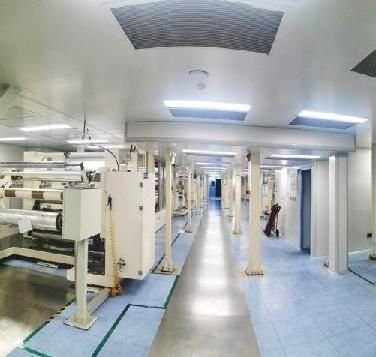

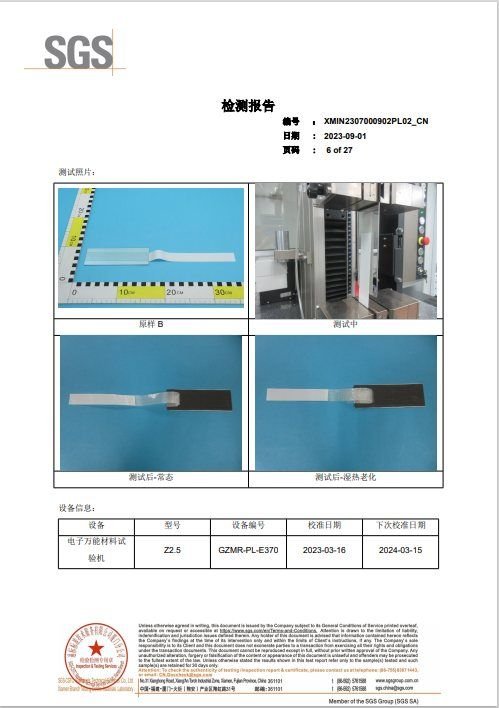
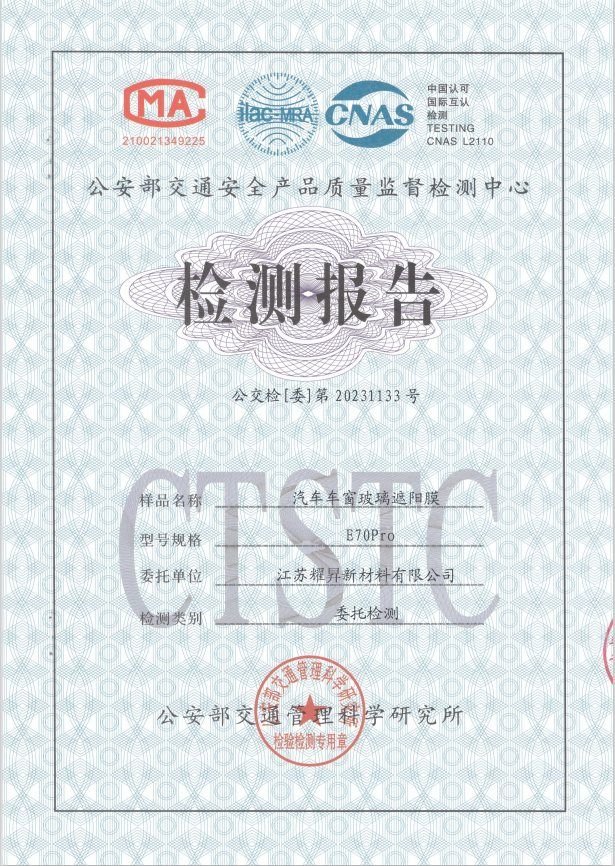
Fifty-plus imported instruments in the quality centre. The haze meter produces the haze column in the table above — the one that decides whether a light grade is fit for a windscreen — and the XRF spectrometer is the one that matters most on this range, because it checks the titanium nitride going into the chamber and coming out on the web.
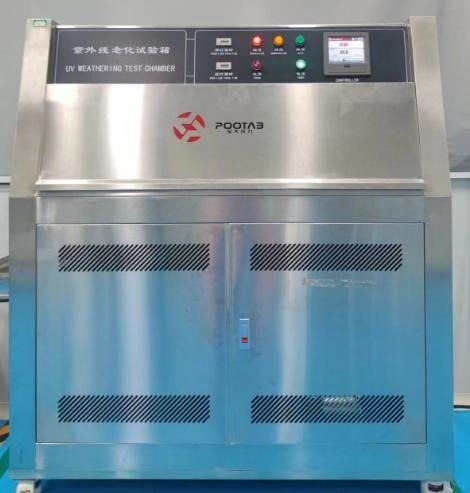
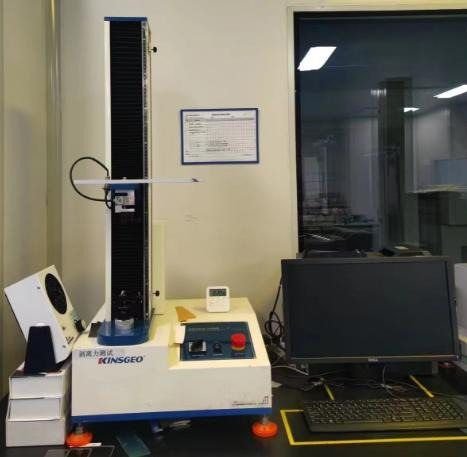
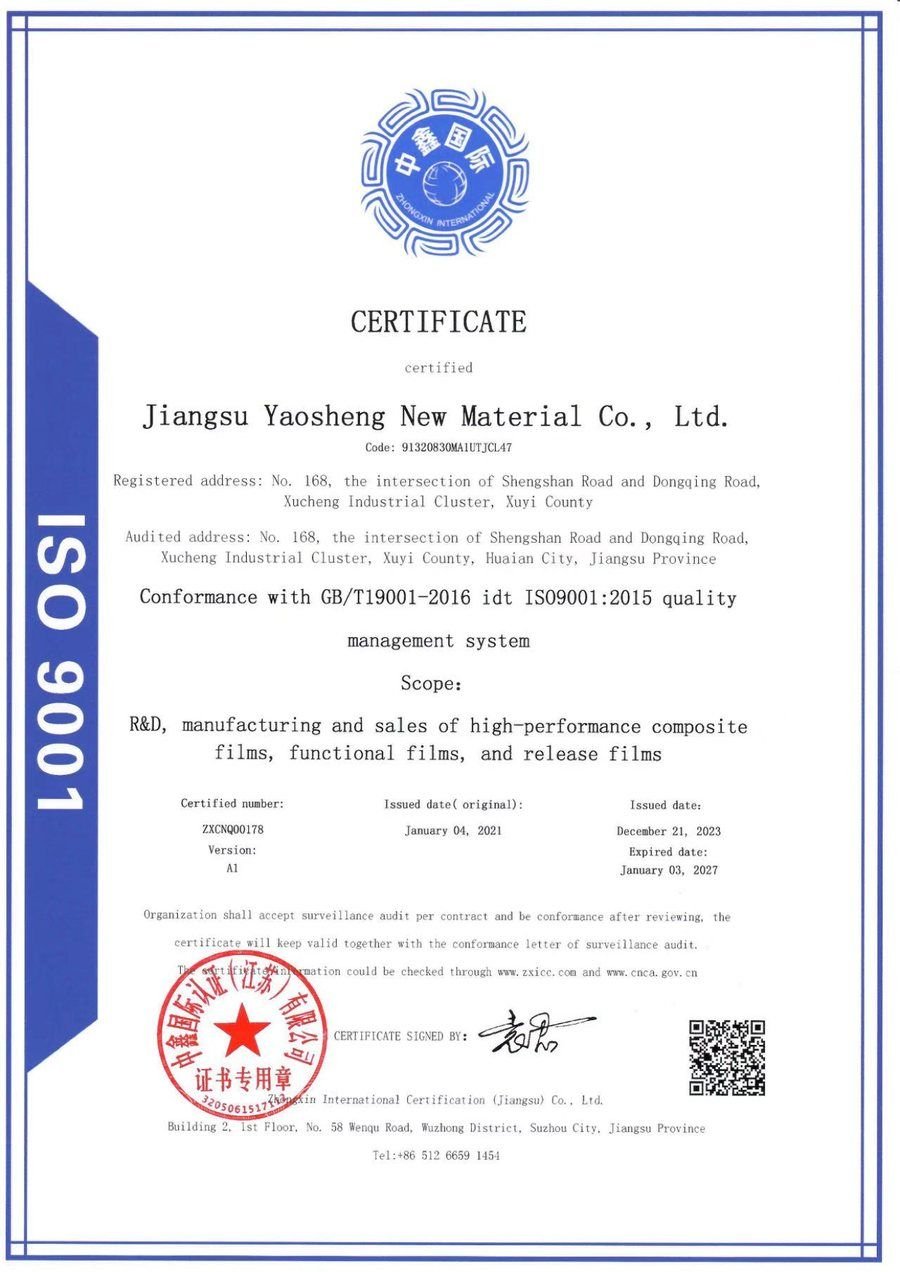
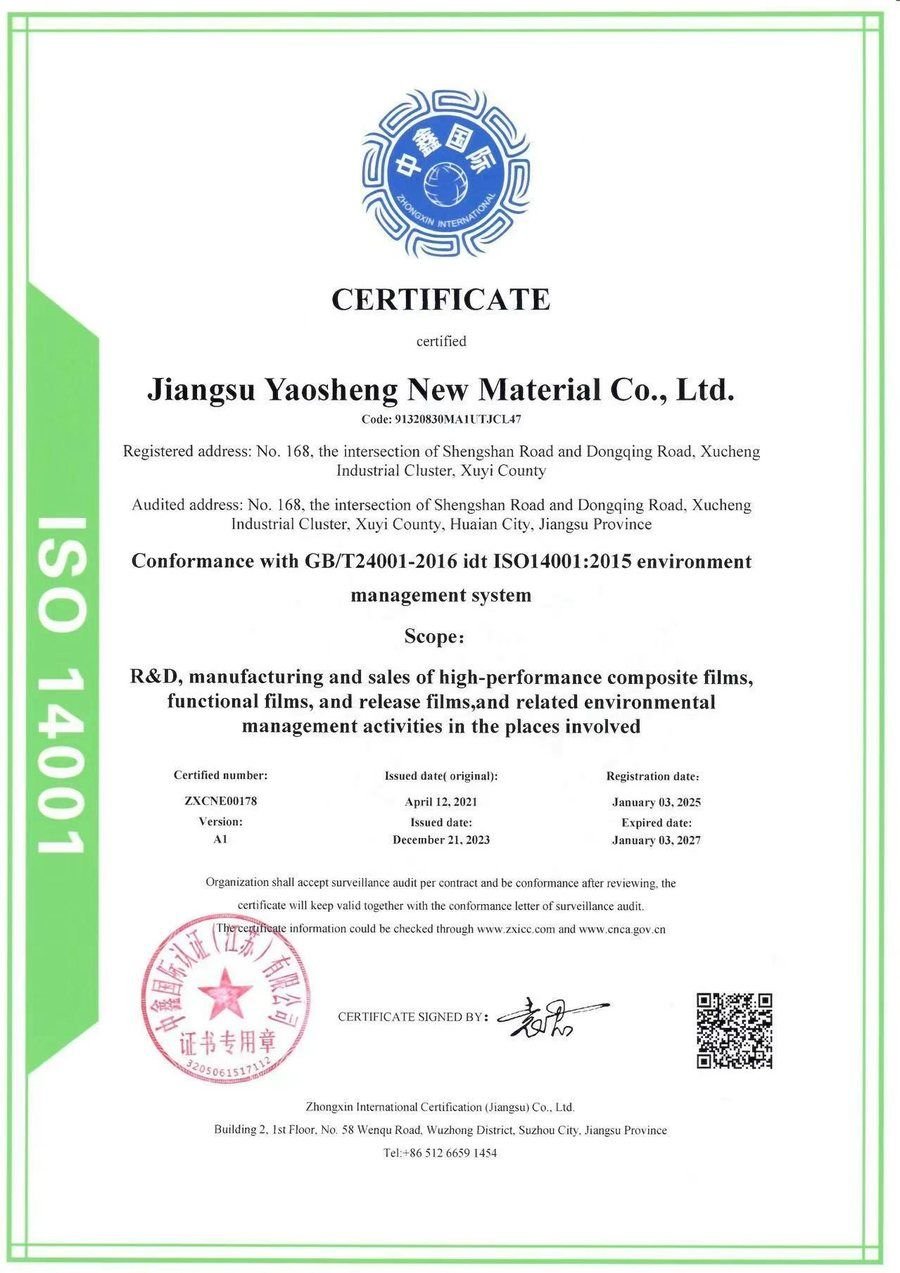
IATF 16949 certification is the one a serious tender asks for first, and the reason we passed the BYD and Chery supplier audits. Full copies travel with a sample request.
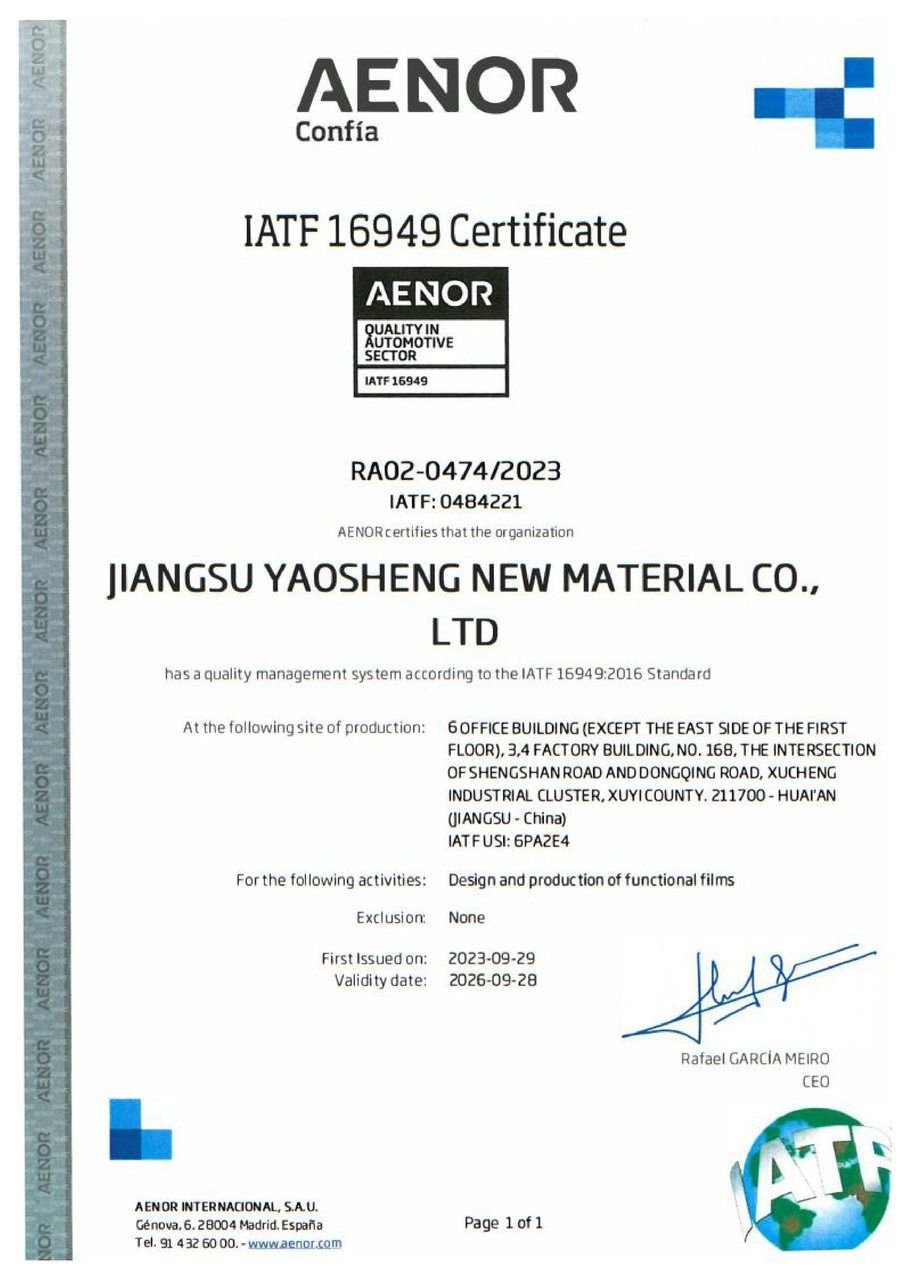

This is the range a distributor uses to win the tenders that are decided on a spec sheet rather than a price list. It is not the line that fills a shelf — that is the dyed range — but it is the one that gets you into the conversation with dealer groups and fleet buyers, and the one a competitor cannot undercut without giving up the 1400 nm figure.
A dedicated follow-up team acknowledges and confirms within six hours of receipt.
Warehouse ships within twelve hours of acceptance and tracks through to signed delivery.
A trial order and a national launch are both normal here, and sputtered stock is made to order rather than pulled from a shelf.
Your carton, labels and warranty card, from first brief to first bulk delivery.
Distributors and installation-centre chains buy from the same price book — see distributor pricing. Most first containers pair this range with a cheaper one, because the customer who compares 1400 nm figures is not the customer who wants rear glass privatised for the lowest price. For first-fit and dealer-accessory programmes, the OEM window film range carries warranties to ten years.
This is the most expensive film we make, and a good half of the jobs that walk into a tint shop do not need it. These are the two ranges we would quote instead, coated on the same lines, in the same cleanroom, under the same batch records.
Fifteen models at 80–96% infrared rejection, 0.50 haze on the clearest grade, and a price that sits a clear step below this range. The right answer for most retail work.
Fifteen shades down to a measured 1% VLT for privacy and appearance at a price no coated film reaches. Twelve of them carry no heat figure, and we say so on the page.
All four automotive routes and the architectural range sit together on the automotive window film overview.
Ten questions distributors and tint shops ask before a first order — on signal, on the two wavelengths, on why one model reads 62% when it is called 70.
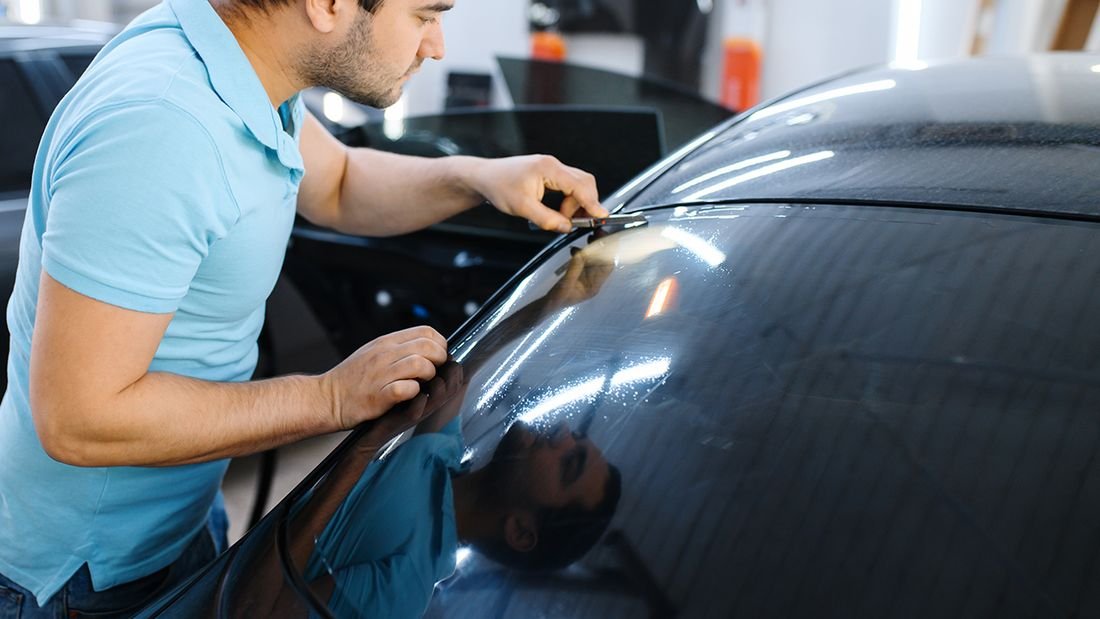
Not this one. The films that gave sputtering that reputation deposited aluminium or silver as a continuous layer, which behaves as a partial Faraday shield. We sputter nano-ceramic titanium nitride, which never closes into a metallic sheet — that is why the SC run is catalogued as 5G Ultra-clear. GPS, LTE and 5G, 433 MHz tyre-pressure sensors, keyless entry and rear-screen defroster elements all behave as they do on bare glass. If you need that in writing for a tender, ask and we will put it on letterhead.
How the titanium nitride gets there. In our nano ceramic window film it is dispersed as particles through a coating, so performance tracks how much material is in the light path. Here it is deposited in a vacuum as a tuned filter, so performance tracks the layer design instead. In practice: ceramic measures 80–96% at 950 nm and varies with the grade; sputtered measures 95% on eight of nine models regardless of shade, and holds up to 99% at 1400 nm. Sputtered also costs meaningfully more.
Because 62% is what the instrument reads and 70 is what the catalogue has called it for years. We have kept the model name your buyers recognise and published the measured value beside it everywhere on this page, rather than quietly rounding the measurement to match the name. If your market regulates on VLT, quote the measured figure and order by the full model number.
SC-T if your market buys on specification, SC if it buys on price. SC-7095T at 60% and SC-2095T at 20% cover most of a working week between them, one legal on front sides in many markets and one the standard rear shade, both at 95 / 99. Add SC-3595 as the value option and T-60T if you sell skin protection, because it is the only run measuring 100% UV.
Because it is the darkest grade on the thinnest composite in the range, and the long wave is where a 2 mil construction gives ground first. It is the only figure below 95 anywhere in this catalogue and we publish it rather than hide it. If the long wave matters at that shade, SC-0595T is the same darkness on 4 mil and reads 99%. That eight-point gap is the entire case for the SC-T run.
It depends who you sell to. A fair share of the near-infrared reaching a cabin sits beyond 950 nm, so the long wave is a real part of what the occupant feels — but most buyers have never been shown a 1400 nm figure and will not ask for one. If your customers compare spec sheets, it is the number that separates you from every competitor quoting 950 alone. If they compare prices, it is not.
SC-0595 at 0.65, with the rest of the SC run and all three SC-T models between 0.7 and 0.76. The T run measures 1.2, which is the highest in our sputtered range. Haze is scattered light: nobody notices 1.2 on rear glass, and a driver can notice it on a windscreen at night against oncoming headlamps. Put the T run on side and rear where its 100% UV figure is doing the selling.
Not currently. Our 2025 catalogue publishes VLT, infrared at 950 and 1400 nm and UV rejection separately rather than one combined figure built on someone else’s weighting, and we would rather leave TSER blank than print an estimate. If a tender requires certified TSER, name the models and we will have them measured. What is TSER explains why the single number travels badly between markets.
Easier, mostly. Four mil holds its shape while it forms, so a deep compound rear screen comes out flat with fewer heat passes than 2 mil needs, and it removes years later without tearing. What it is less forgiving about is waste — it is the most expensive stock we ship, so nest the panels before cutting. Your fitters will want a slightly harder squeegee and a little more patience on the edges.
Yes — carton artwork, labels, roll length, core size and the warranty card, on an eight-week schedule from brief to first bulk delivery. The sputtered chemistry, the chamber parameters and the three-stage inspection regime stay fixed, because those are what make roll 1 and roll 10,000 read the same on the spectrophotometer. Terms are on the private label page.
Tell us the market you sell into and whether your buyers compare specification or price. We will send physical swatches of the runs that fit, the measured data behind both wavelengths, and a quotation against your volume.
We reply within one working day. Your details are used only to answer this enquiry.
Fill in the form below to book a 30 min no-obligation consulting session.
I will reply within 24 hours.