
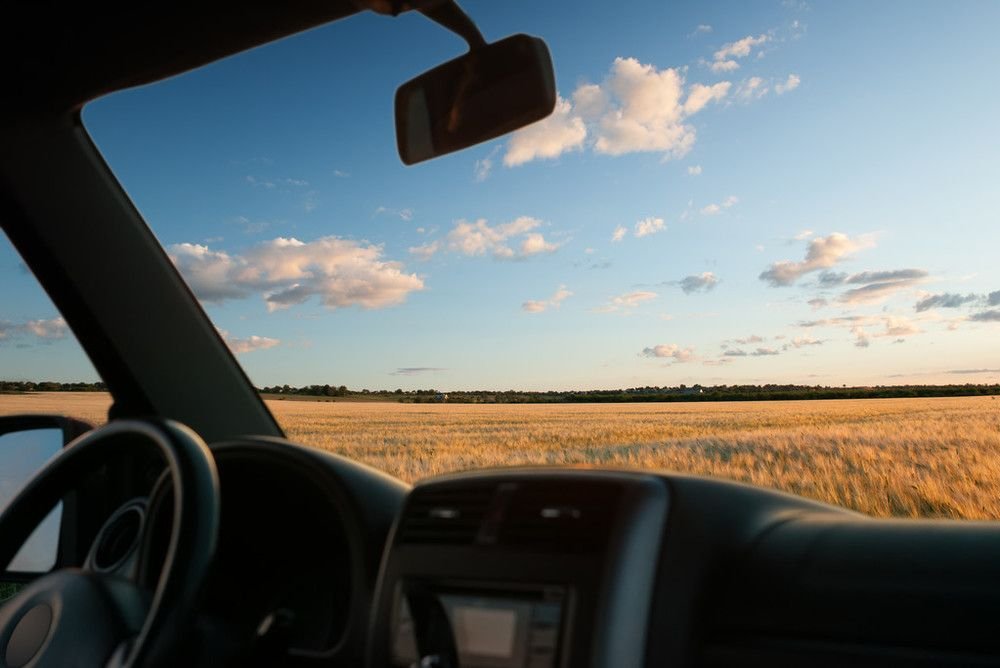
Takes the heat out
About half the energy in sunlight arrives as invisible near infrared. A ceramic or sputtered film absorbs or reflects that band, so the cabin cools faster and the air conditioning works less.
98%Peak IR rejection
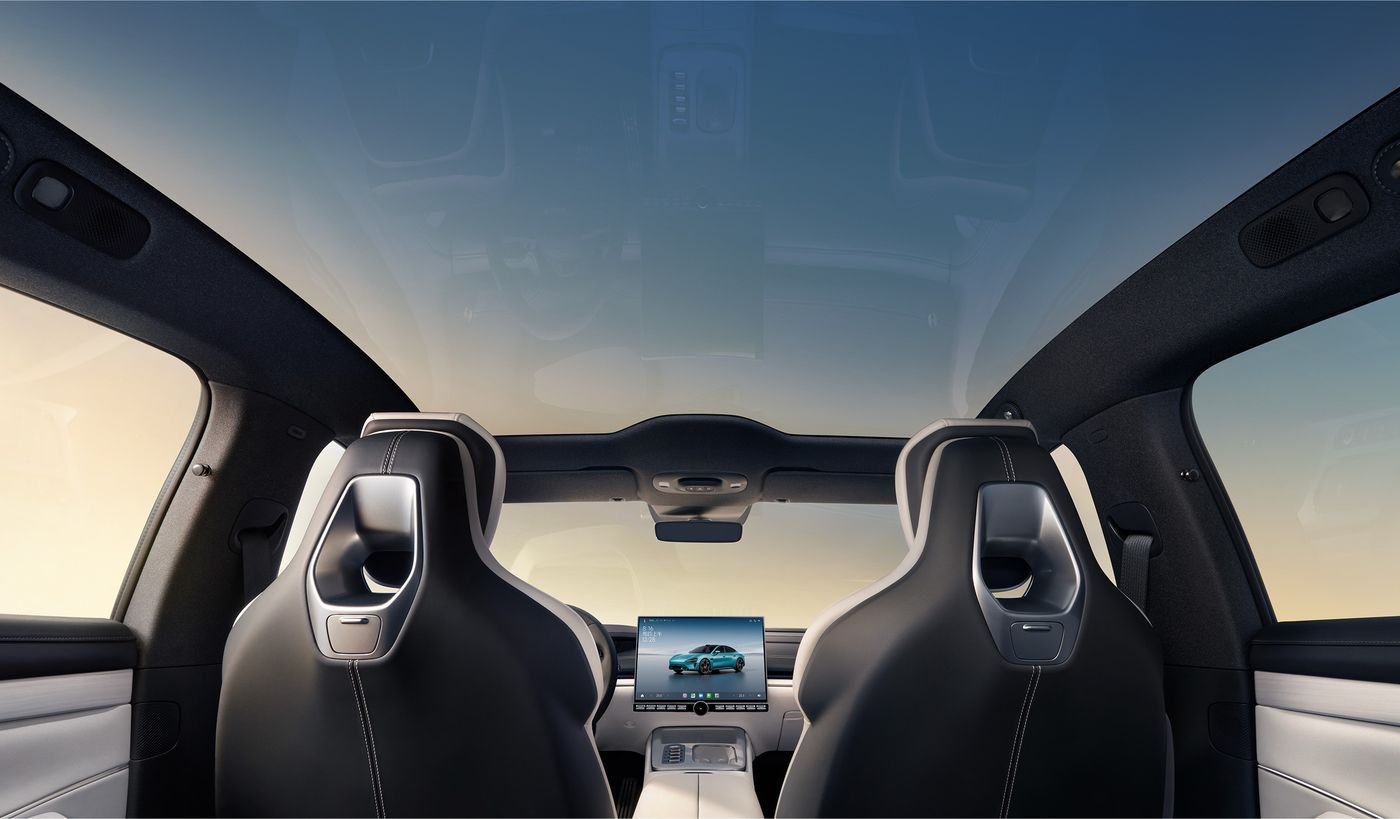
47 MODELS · FOUR TECHNOLOGY ROUTES
Every window tint film we ship is measured in our own laboratory before it leaves the plant: visible light transmission, infrared rejection at two wavelengths, ultraviolet rejection and haze. Pick the shade, pick the route, then open that family’s page for the full model list.
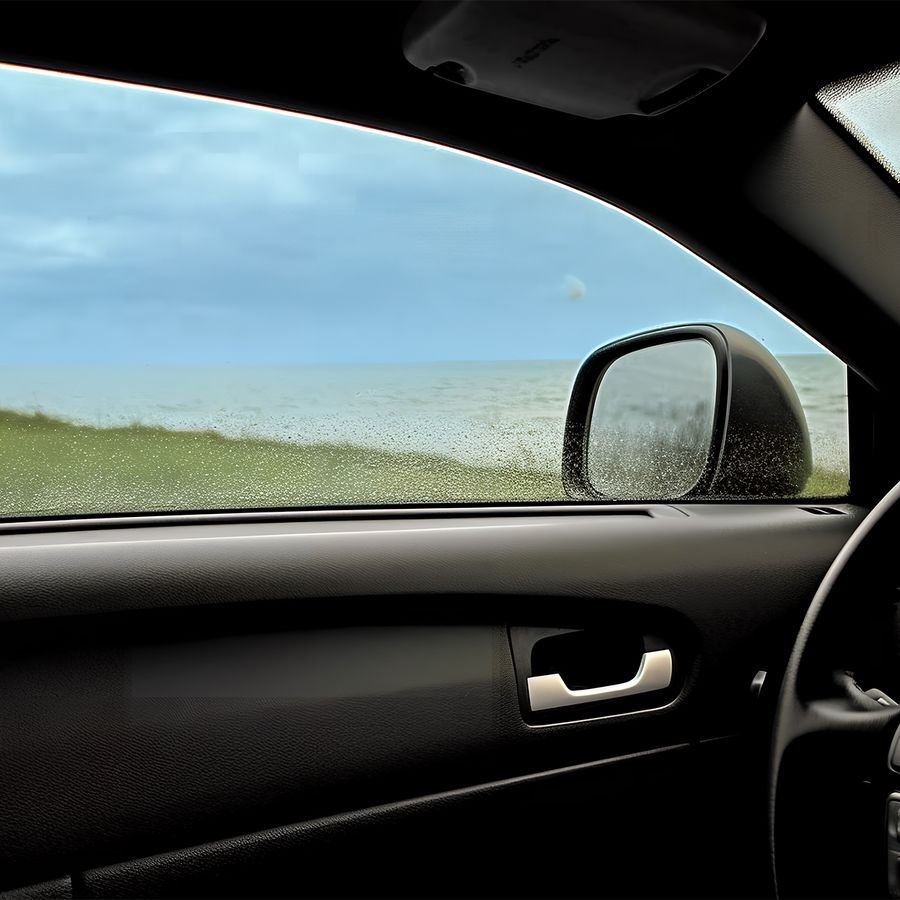 70%VLT
70% VLT. Legal on front sides in most markets. A ceramic film at this shade still rejects 92% of infrared while the glass looks almost untinted.
WHY IT SELLS
Four jobs, and a customer usually buys for one of them and keeps the film for the other three. Knowing which one your market leads with is what decides the family you stock.
About half the energy in sunlight arrives as invisible near infrared. A ceramic or sputtered film absorbs or reflects that band, so the cabin cools faster and the air conditioning works less.
Ultraviolet is what cracks a dashboard and bleaches seat leather. Every film we make blocks 99% or more — and unlike heat rejection, that figure does not weaken as the film gets lighter.
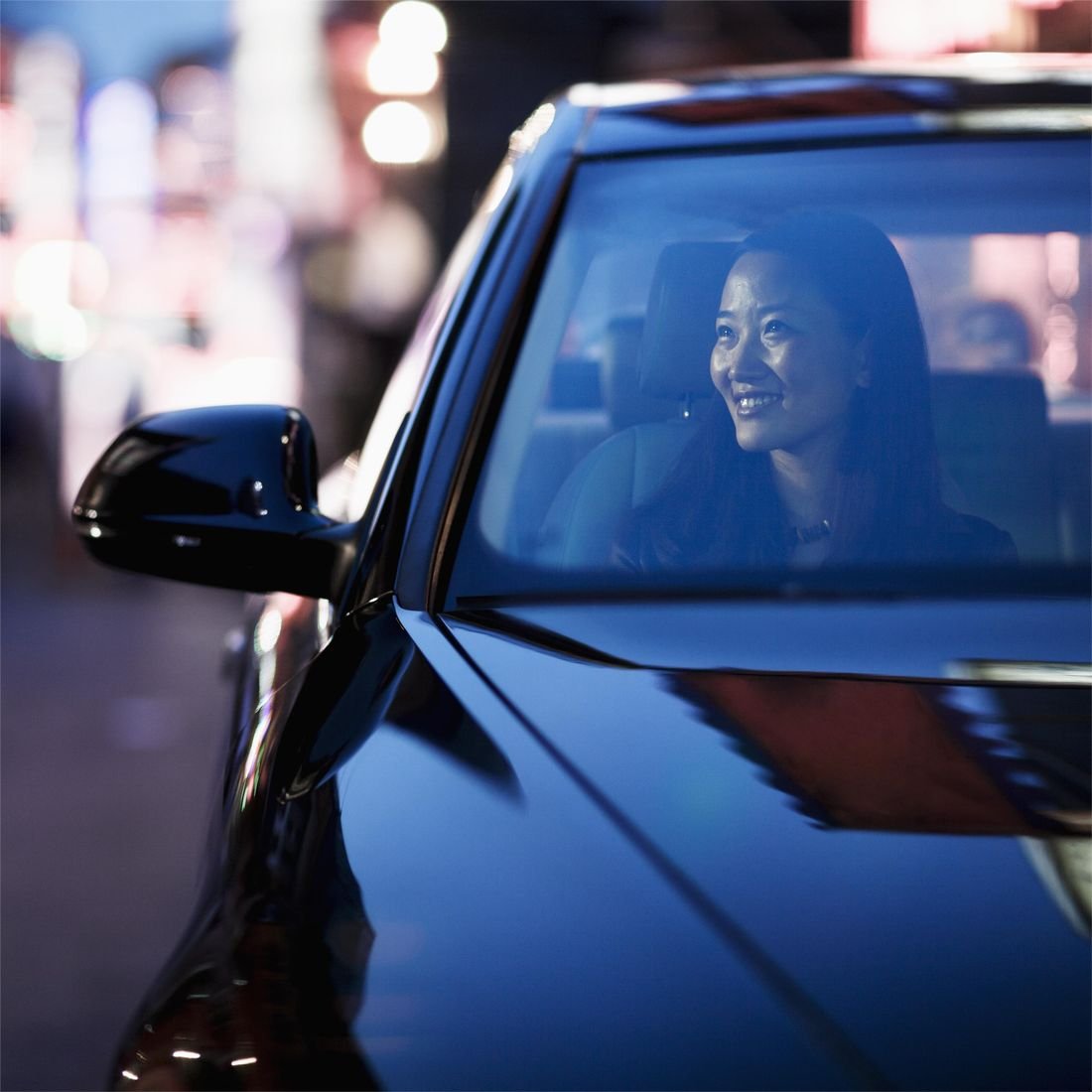
The reason most retail customers walk in. Darker rear glass hides what is on the back seat and cuts the glare that tires a driver on a long run.
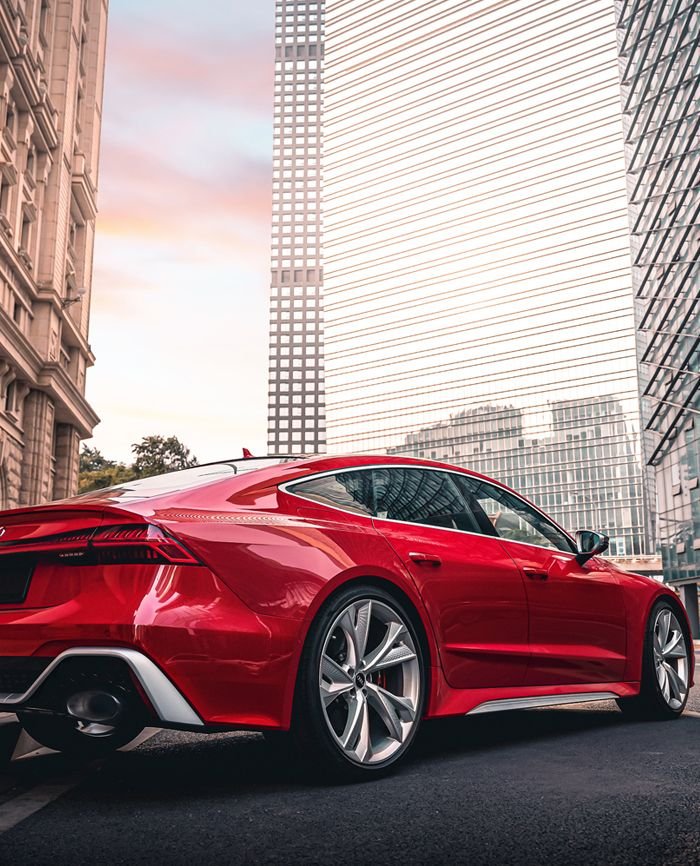
A filmed pane that takes an impact tends to hold its fragments rather than shower the cabin. That is the whole premise of the architectural safety range, and it carries over to vehicles.
STEP ONE
Visible light transmission — VLT — is the percentage of light the film lets through, and it is the number your local law regulates. It is also the first question a customer asks, so it is where a distributor’s stocking decision starts. Every shade below is a real model in our range.
STEP TWO
Once the shade is settled, the remaining question is how the film stops heat — by absorbing it, by filtering it, or not at all. Four of the five have their own page. The OEM range is set out in full further down this page, because it is quoted against a programme rather than a price list.
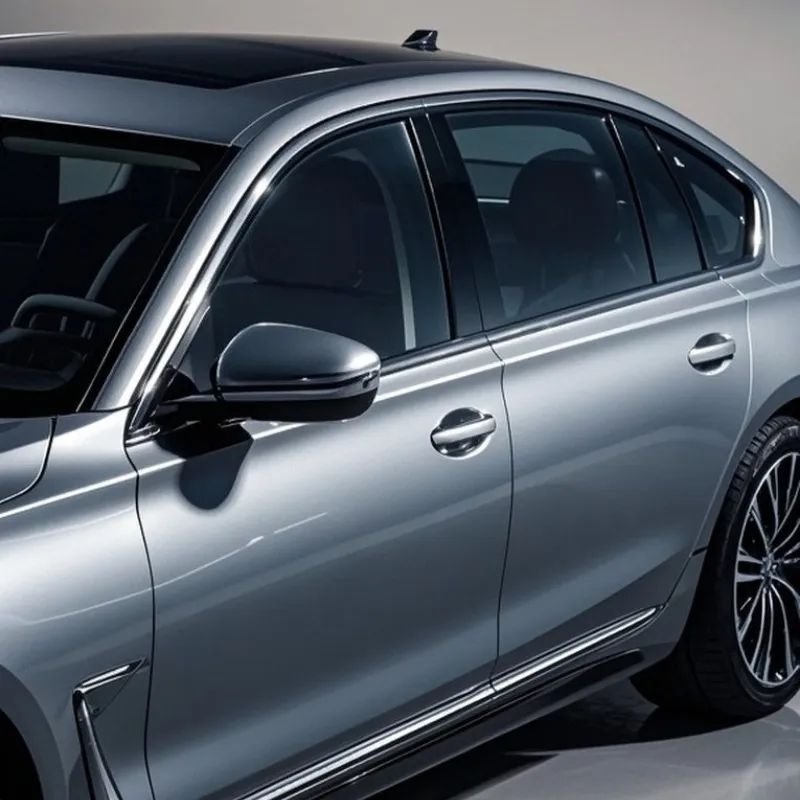
Non-metallic titanium nitride absorber. Heat rejection without signal interference, and the clearest grades in the catalogue at 0.50 haze.
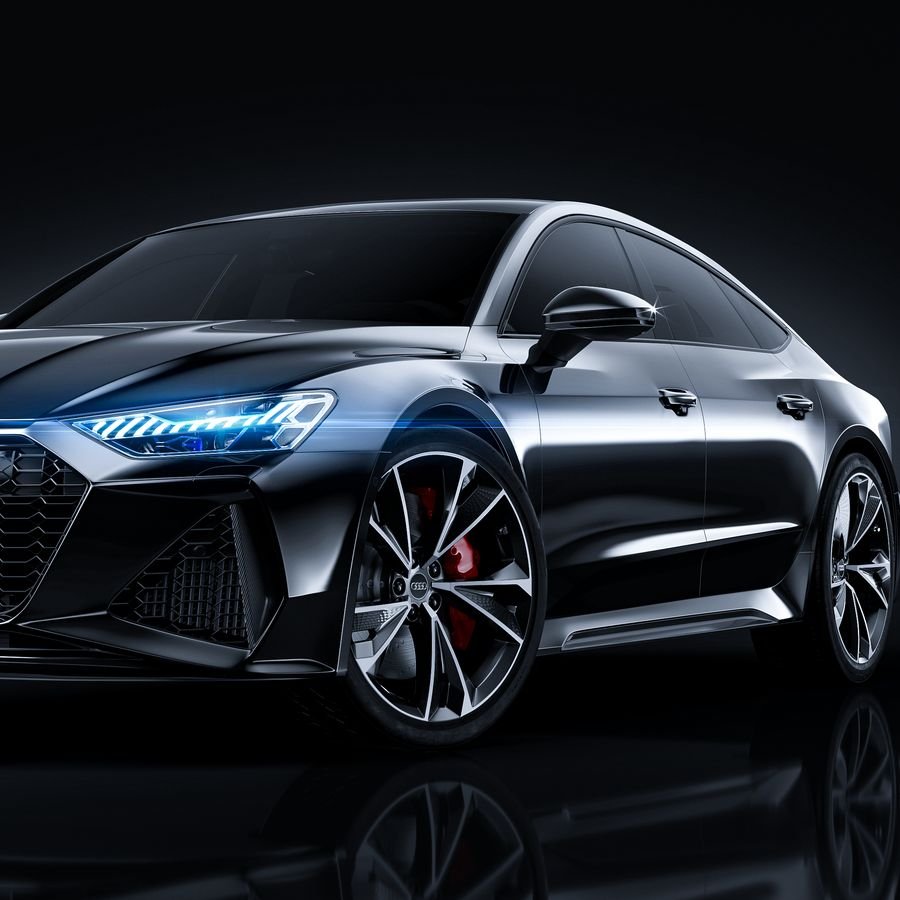
Magnetron sputtering builds a spectral filter rather than an absorber — the flattest infrared curve we make, holding 99% at 1400 nm across the SC-T run.
Optical-grade hot-melt dyed film for privacy and appearance at a price. The Black range makes no heat-rejection claim, and we do not print one.
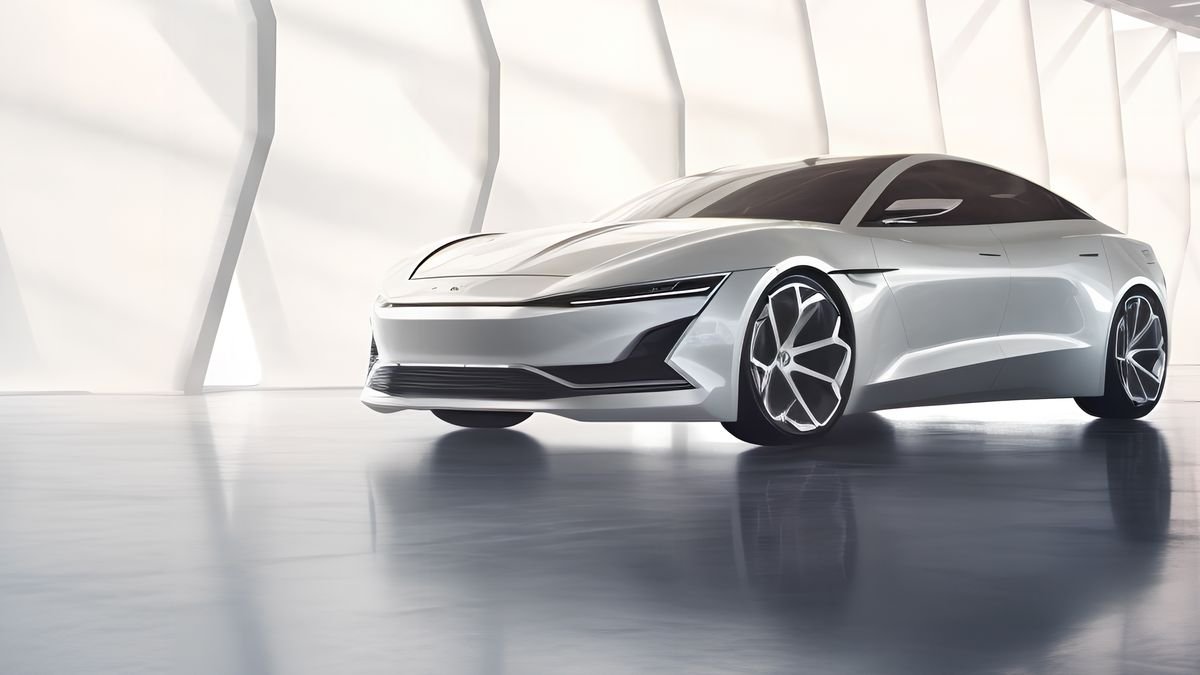
Built to vehicle-manufacturer specification on a hot-melt process. The BY run carries a ten-year warranty — longer than anything in the retail range.
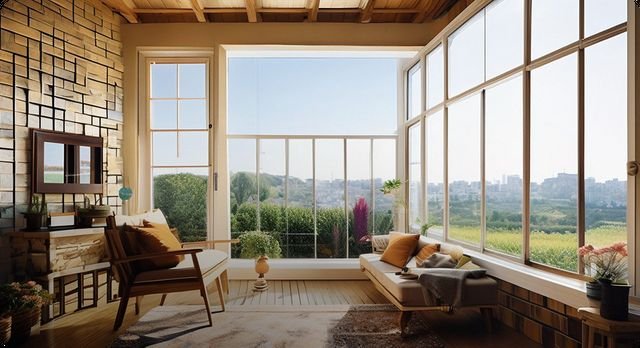
Architectural range — a different buyer and a different install. Safety anti-explosion film at 2, 4 and 8 mil, plus the Silver Light series.
FIRST FIT & DEALER ACCESSORY
This range does not sit in the retail price book. It is coated on a hot-melt process against a specification a vehicle manufacturer or dealer group signs off, and the numbers move a very long way between the three series — from an entry first-fit grade that makes almost no heat claim to a four-mil run carrying ten years. All eight models are below.
The top OE specification and the longest warranty we write anywhere. BY3096 measures 98% at 950 nm — the highest infrared figure in this entire catalogue, retail included — and all three models measure 100% UV.
The volume OE grade. Eight years, 100% UV across all three shades, and the clearest film in the OEM range at 0.60 haze on BZ7090 — which is what a windscreen programme asks about first.
The entry first-fit grade, and we would rather state its position plainly: at 37% and 31% infrared rejection it is sold on appearance, UV protection and cost, not on heat. If a programme is being pitched on comfort, it is the wrong grade — quote BZ or BY.
Every figure measured by our testers under our factory laboratory standard test method. Note how far apart the three series sit — this is one catalogue page covering a budget accessory line and a ten-year first-fit specification, and the infrared column is where that shows.
| Model | VLT | IR 950 nm | IR 1400 nm | UV | Haze | Thickness | Warranty | Series | |
|---|---|---|---|---|---|---|---|---|---|
| BJ70 | 70% | 37% | 47% | 99% | 0.65 | 1.5 mil | 3 yr | BJ | |
| BZ7090 | 70% | 90% | 94% | 100% | 0.6 | 2 mil | 8 yr | BZ | |
| BY7095 | 67% | 95% | 97% | 100% | 1.0 | 4 mil | 10 yr | BY | |
| BY3096 | 30% | 98% | 97% | 100% | 1.0 | 4 mil | 10 yr | BY | |
| BZ3085 | 28% | 94% | 91% | 100% | 0.7 | 2 mil | 8 yr | BZ | |
| BZ2090 | 18% | 90% | 84% | 100% | 0.8 | 2 mil | 8 yr | BZ | |
| BJ15 | 16% | 31% | 27% | 99% | 0.7 | 1.5 mil | 3 yr | BJ | |
| BY1596 | 16% | 97% | 98% | 100% | 1.1 | 4 mil | 10 yr | BY |
OEM stock is produced against a programme rather than pulled from a shelf, so minimum quantities, lead times and labelling are agreed case by case. Tell us the vehicle, the glass positions and the warranty you need to publish, and we will come back with the grade and the schedule. Private-label terms are on the OEM and private label page.
SIDE BY SIDE
One row per family, not one per model. Most first orders are a mixed container covering two of these — ceramic for the customers who ask about signal and clarity, dyed for the ones who ask the price. For windshield tint the 70% and 80% VLT grades are the ones written for it; they run across both the ceramic and the sputtered families.
| Family | Models | VLT range | Peak IR 950 nm | Warranty | Sell it to |
|---|---|---|---|---|---|
| Nano ceramic | 15 | 80 – 6% | 96% | 5 – 8 yr | Markets that ask about signal, GPS and clarity at high VLT |
| Sputtered | 9 | 62 – 6% | 95% | 7 – 8 yr | Buyers who compare on infrared numbers and want them flat across shades |
| Dyed | 15 | 70 – 1% | 70% (SP only) | 3 yr | Price-led volume, privacy and appearance work, rear glass |
| OEM exclusive | 8 | 70 – 16% | 98% | 3 – 10 yr | First-fit and dealer-accessory programmes that need a long warranty |
| Building & safety | 5 | 90 – 5% | — | 3 – 5 yr | Glazing contractors and building owners, not the automotive channel |
Still unsure? Ceramic window film is the safest first order in most markets. We do not make a carbon line, so it is left out of this table rather than guessed at — ceramic vs carbon window tint covers that comparison honestly.
STEP THREE
Four zones, four sets of rules, and usually two or three different shades on the same car. This is why a first container almost never works as a single model.
The hardest zone. It has to survive the legal test and the clarity test at once, which is why only the 70% and 80% grades are written for it. Clear windshield tint reads as untinted glass and still takes the infrared load off the cabin.
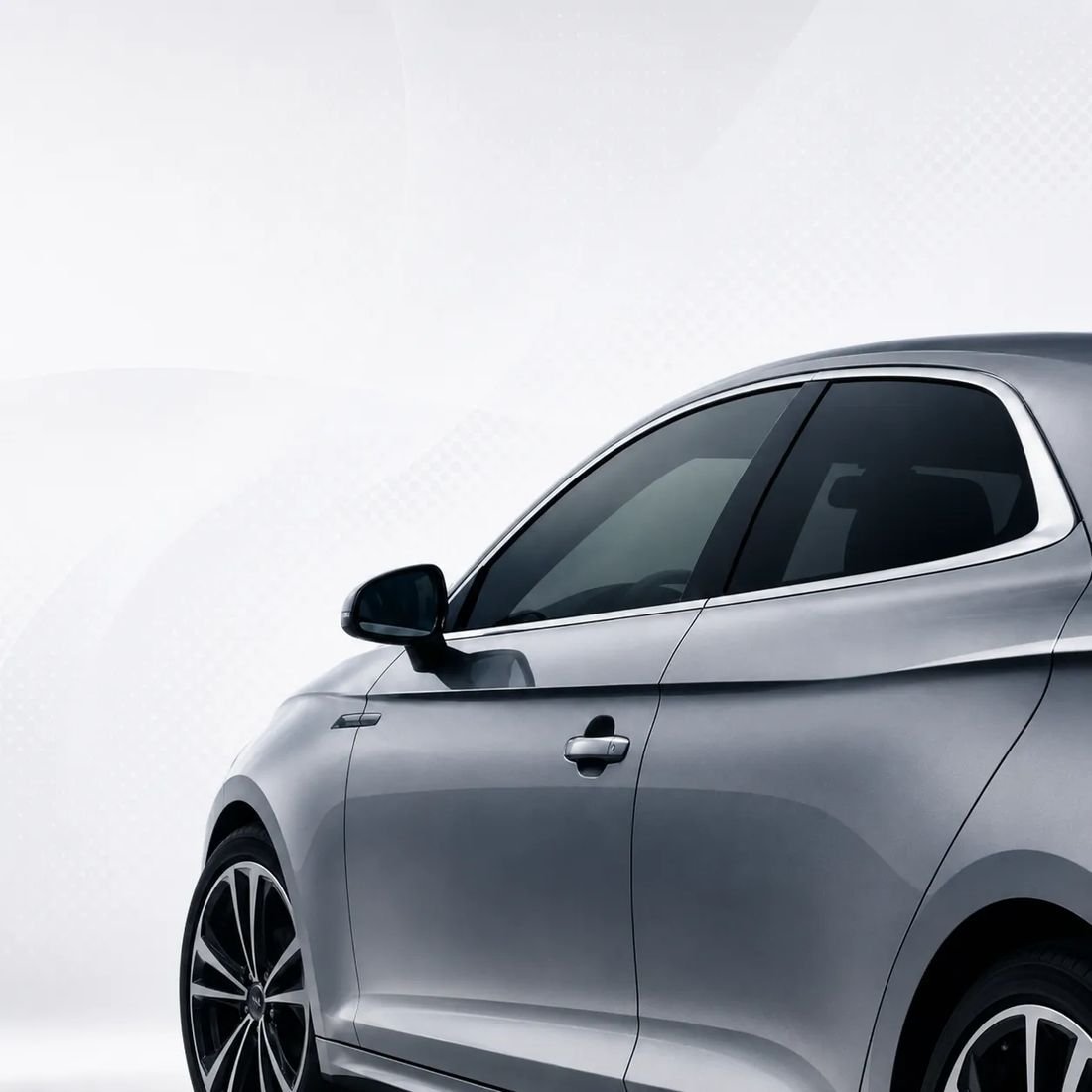
Regulated in most markets and the zone customers argue about most. A light ceramic film is the answer that keeps everyone happy: legal on paper, and still doing real work on heat.
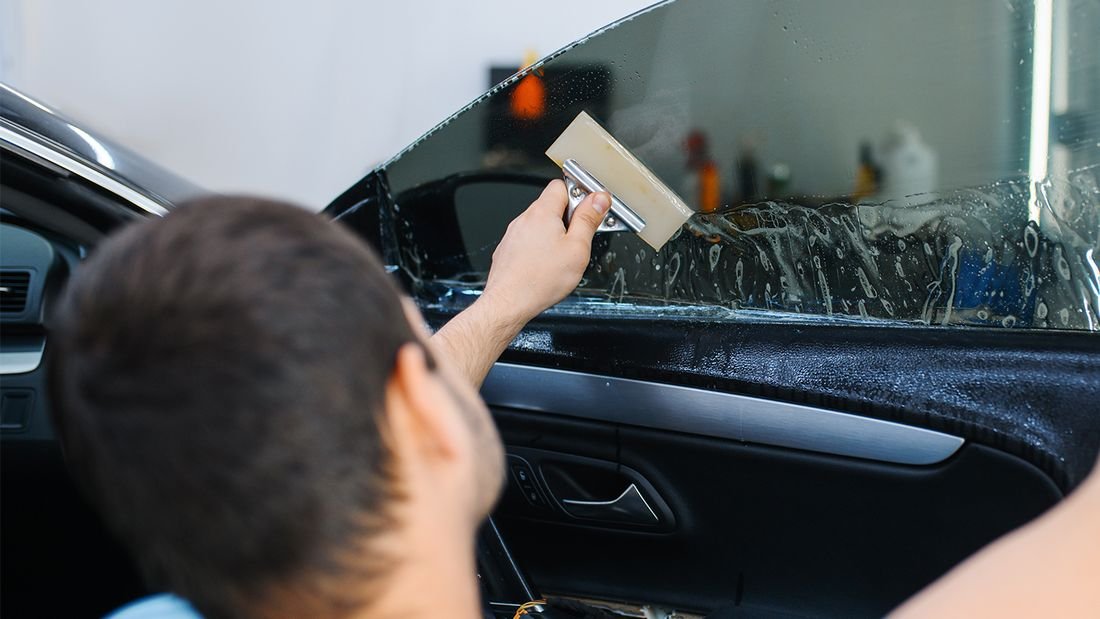
Usually unregulated, and where the volume is. This is the zone that sells dyed film, and the zone where a dark ceramic grade earns its premium on a hot day.
A large area of glass directly overhead, and the single biggest heat load in a modern cabin. We make a dedicated TPU sunroof film for this rather than stretching a window product into the job.
The roof is a separate product line — see sunroof protection film. Everything else on this page is glass-side automotive film.
WHO MAKES IT
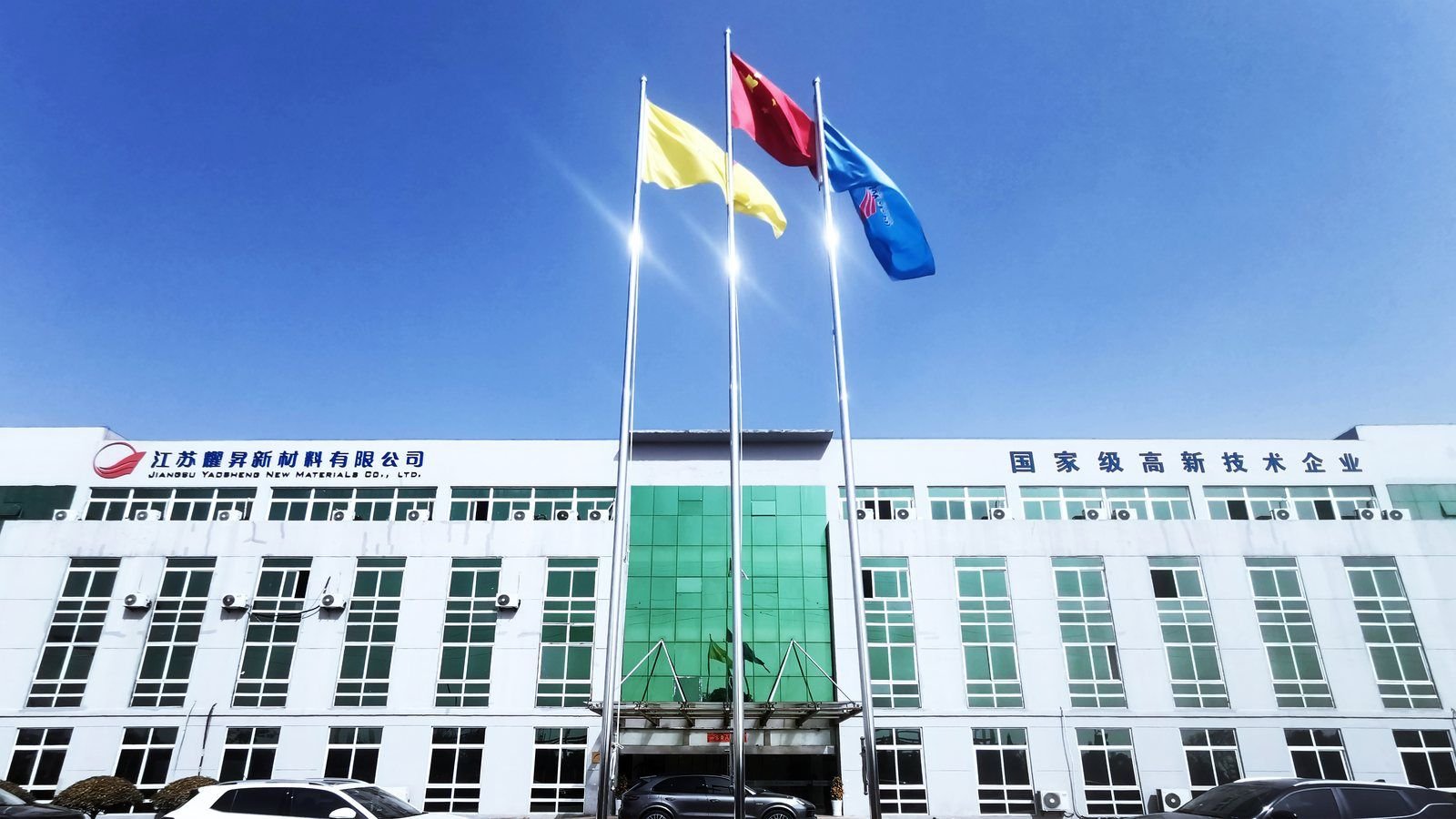
We are the coating plant, not a trading desk in front of one. Three precision lines run inside a 6,000 m² cleanroom in our own 200-mu park in Xuyi, Jiangsu — coating head at Class 100, every other production link at Class 1000, constant temperature and humidity throughout. See how is window tint made for the full walk-through.
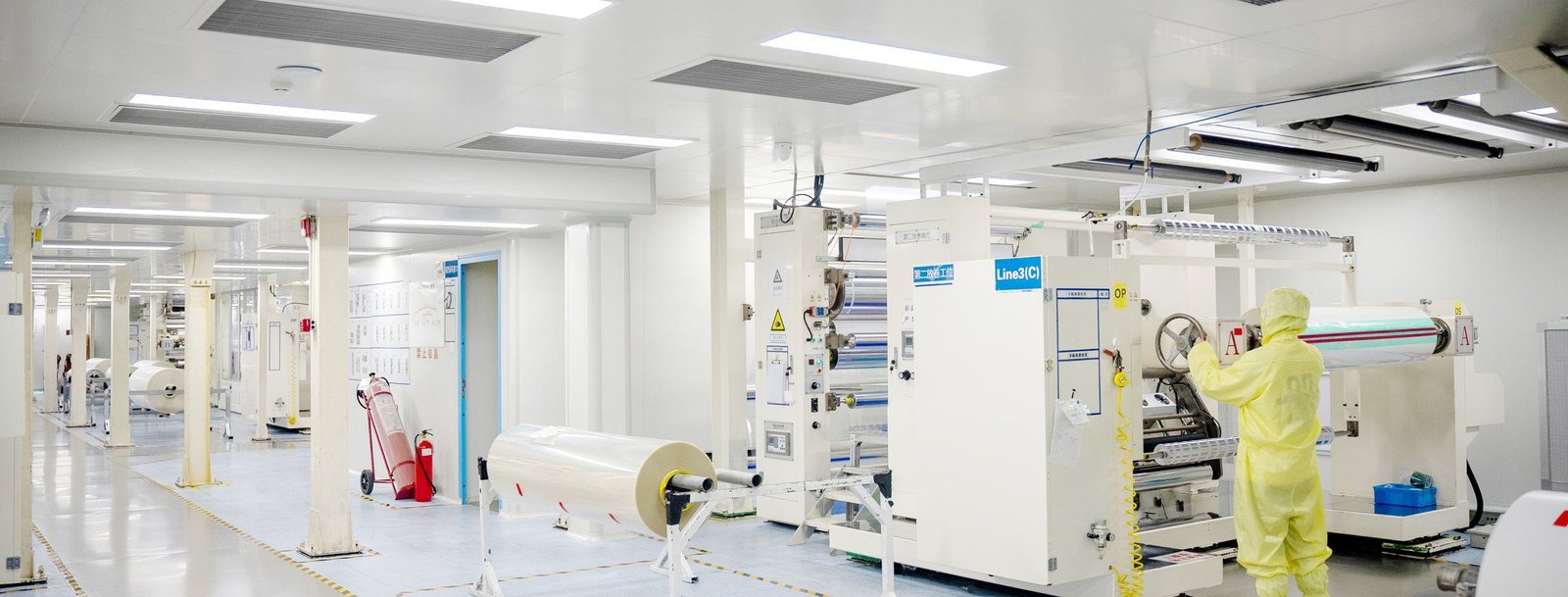
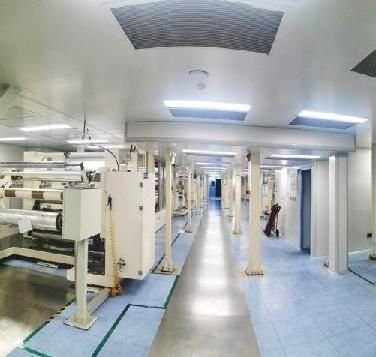
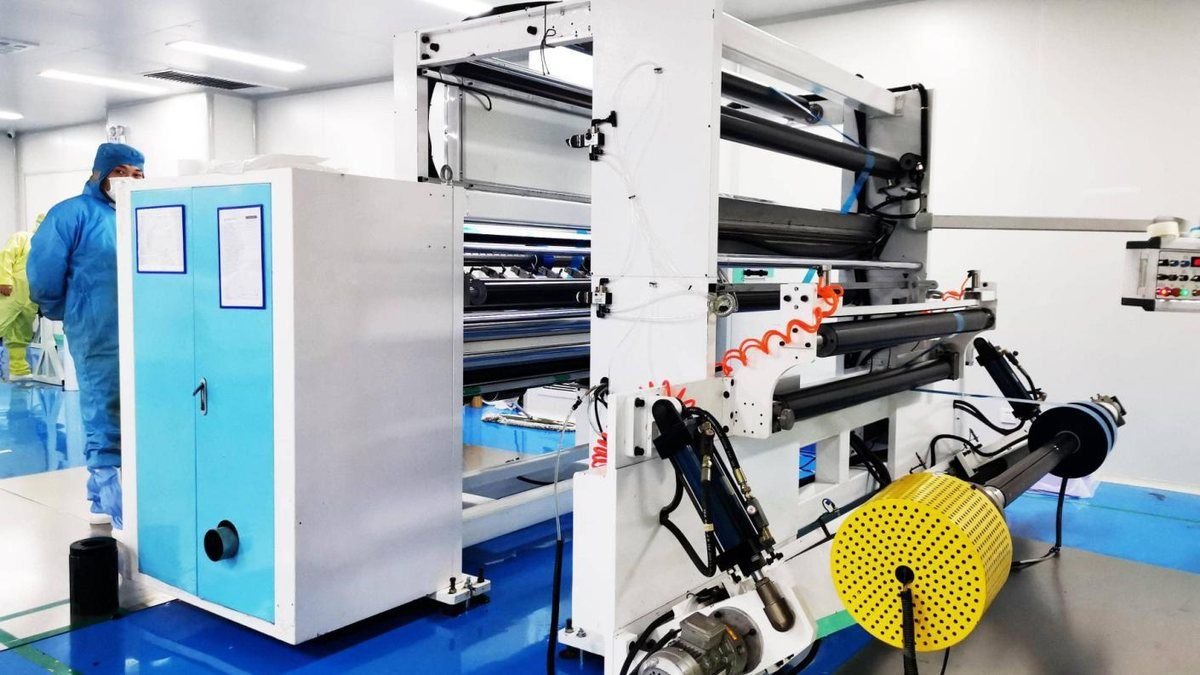
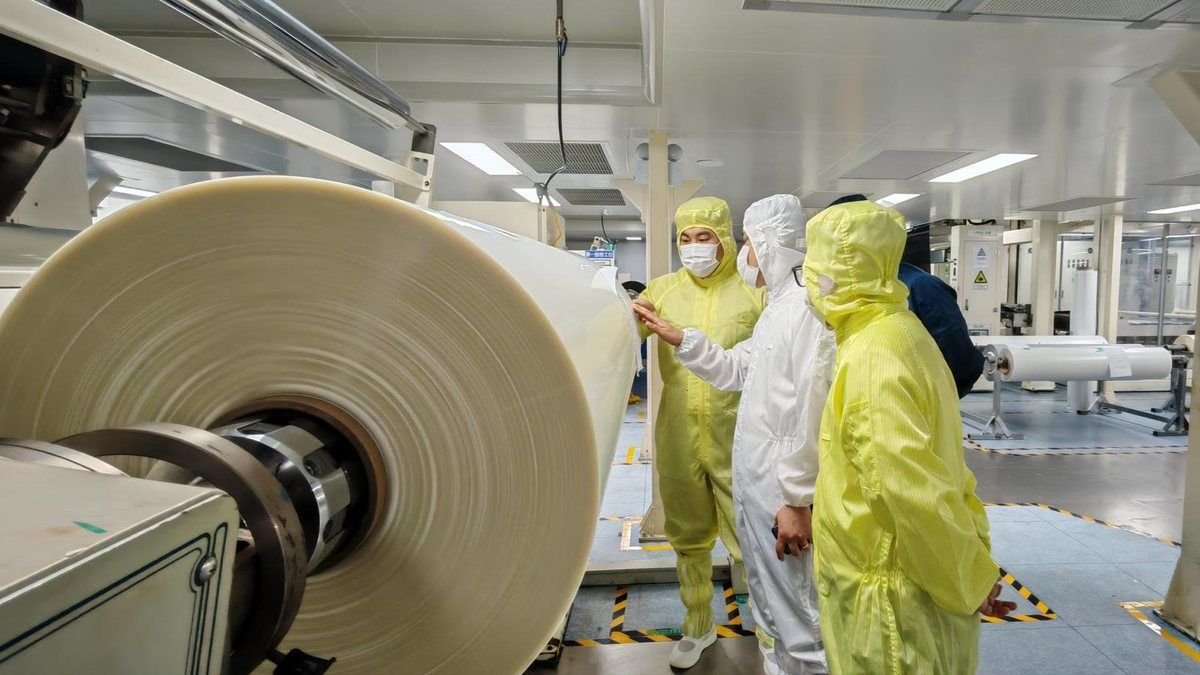
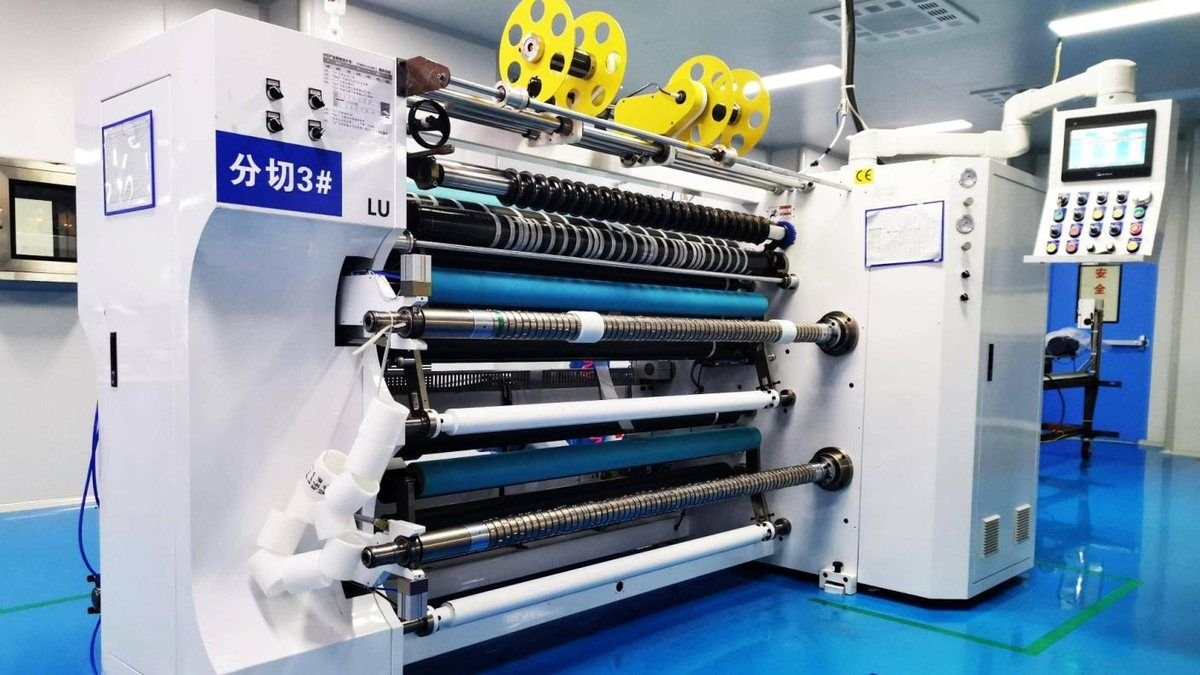
As a window film supplier we ship window tint rolls, not cut sheets. Window tinting film comes as 30 m roll stock in your choice of width, slit to order on five in-house lines — so a mixed-width container is a normal order rather than a special one.
HOW WE KNOW
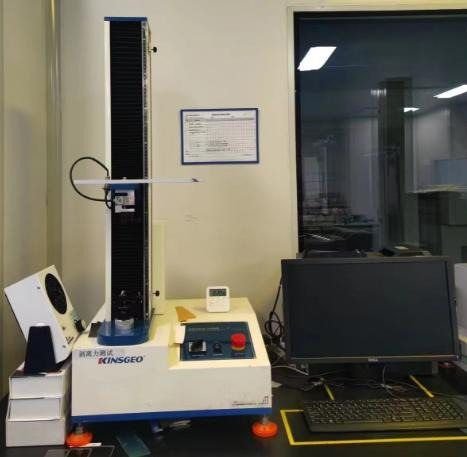
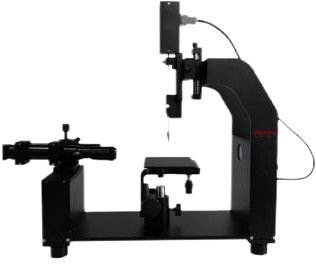
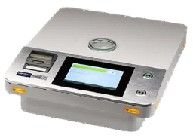
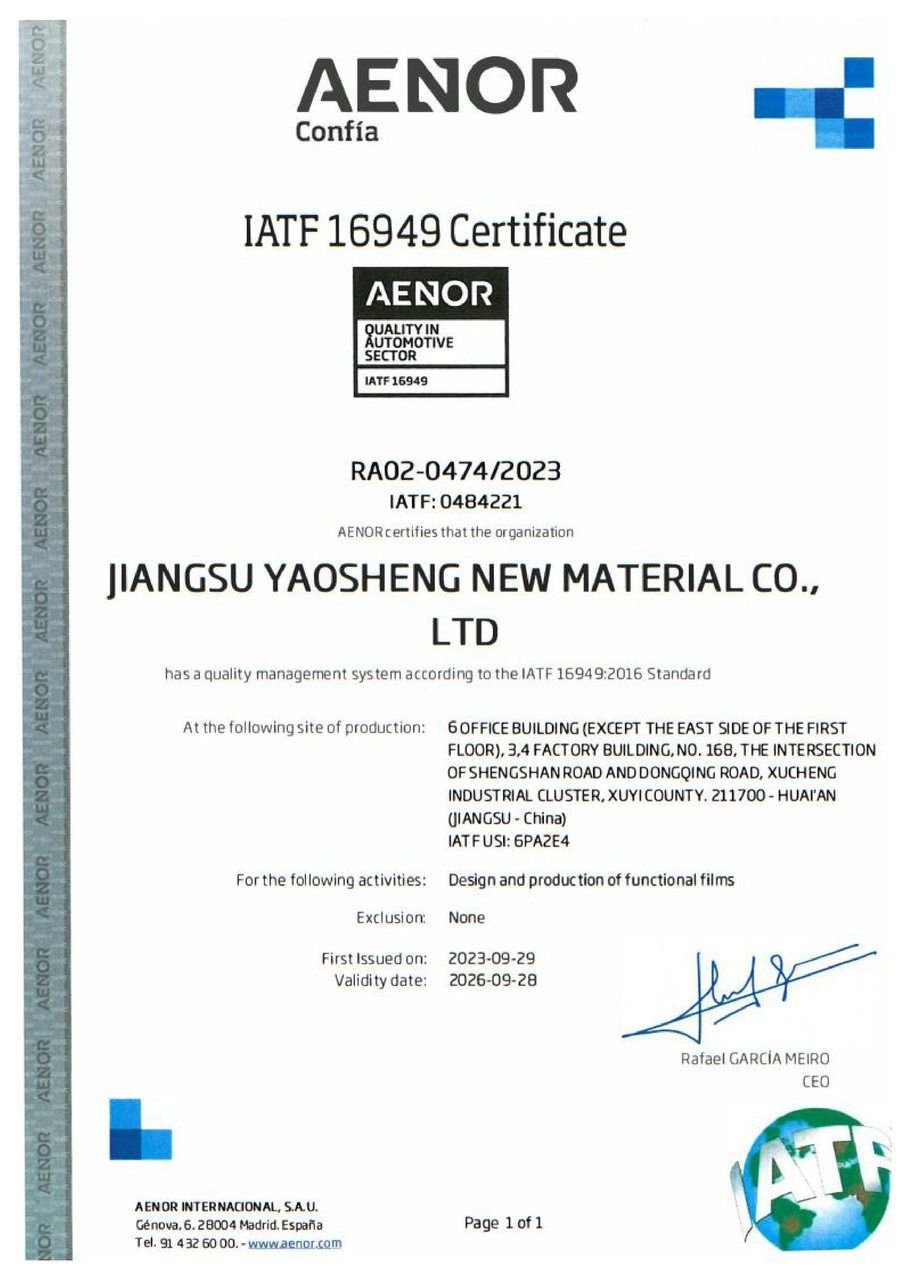
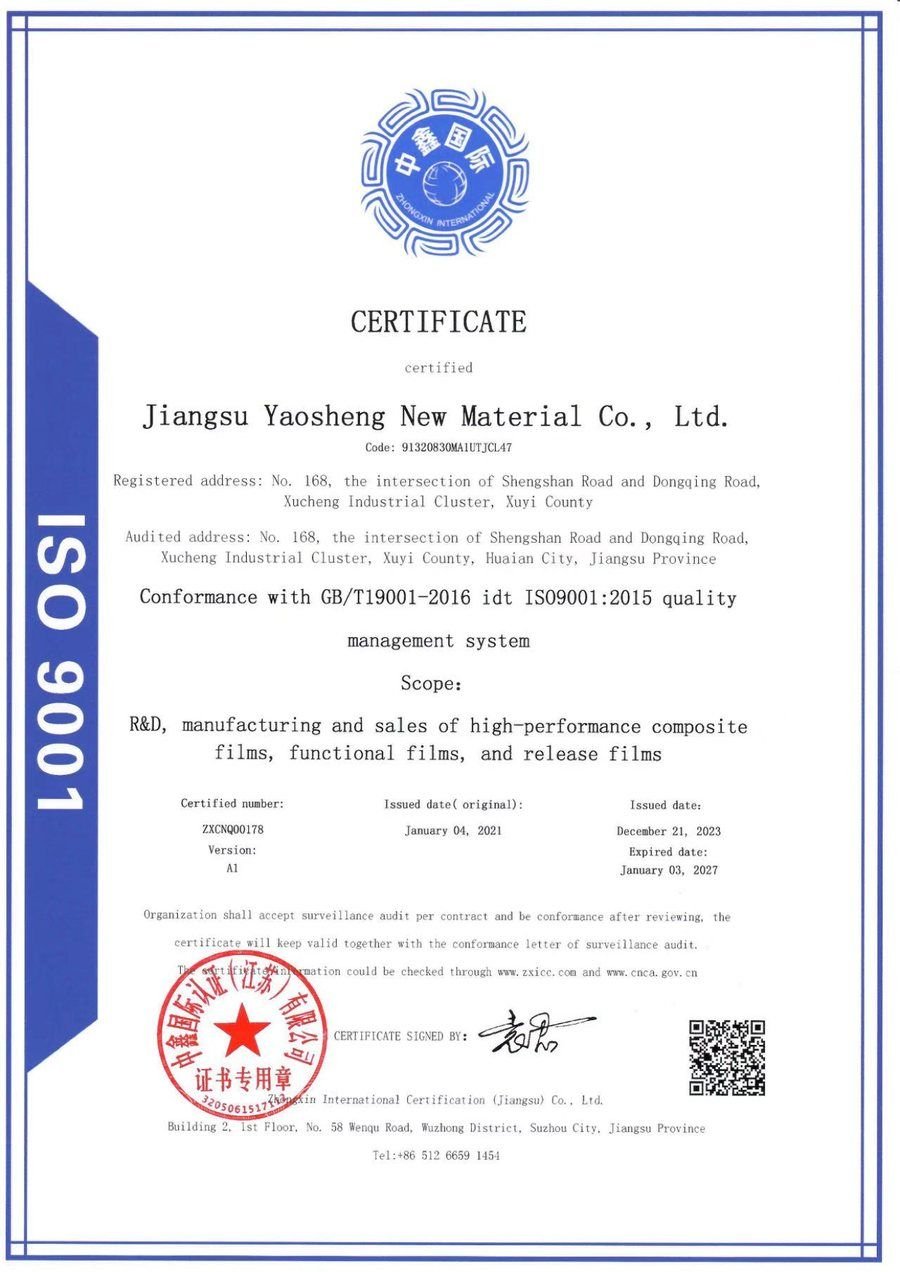
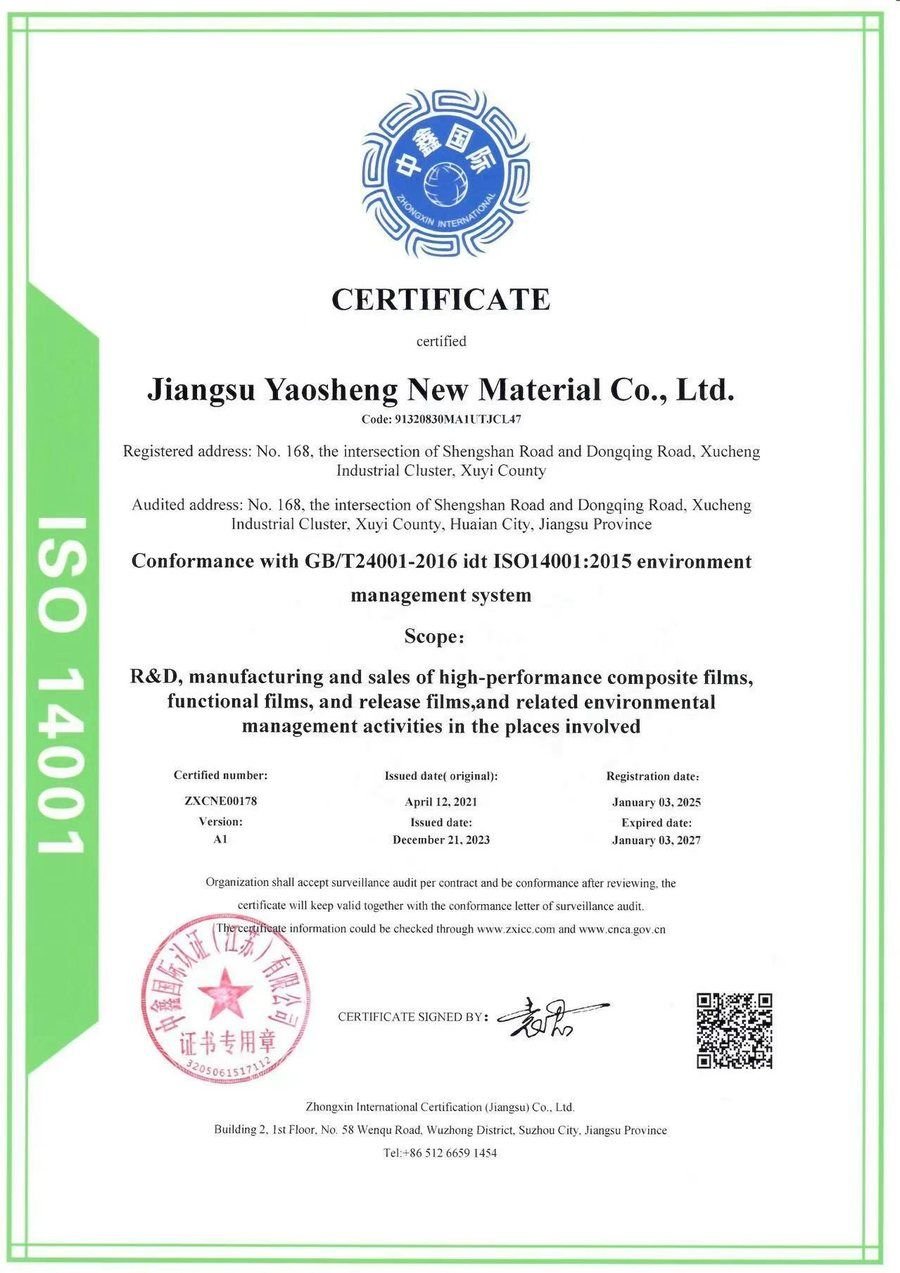
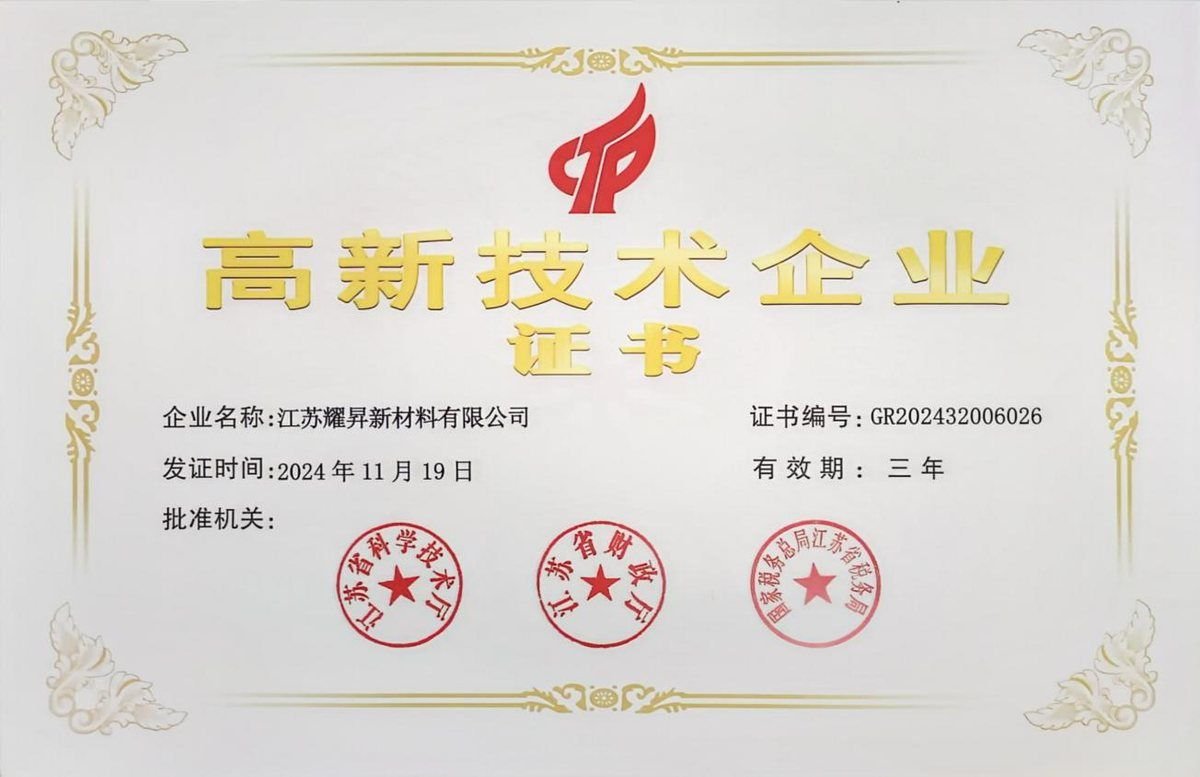
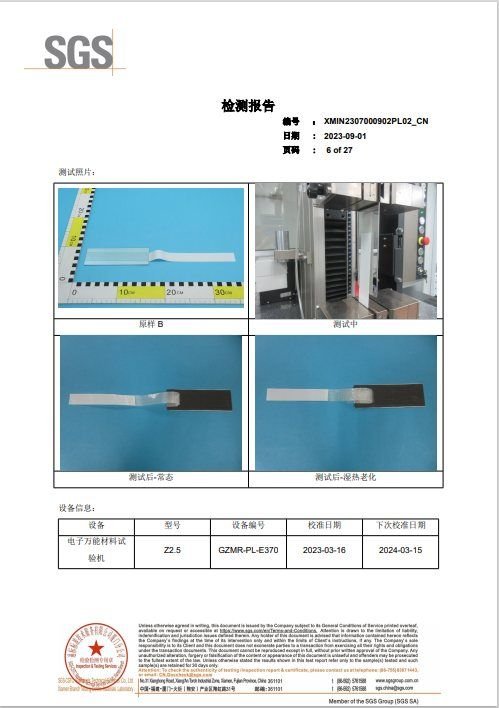
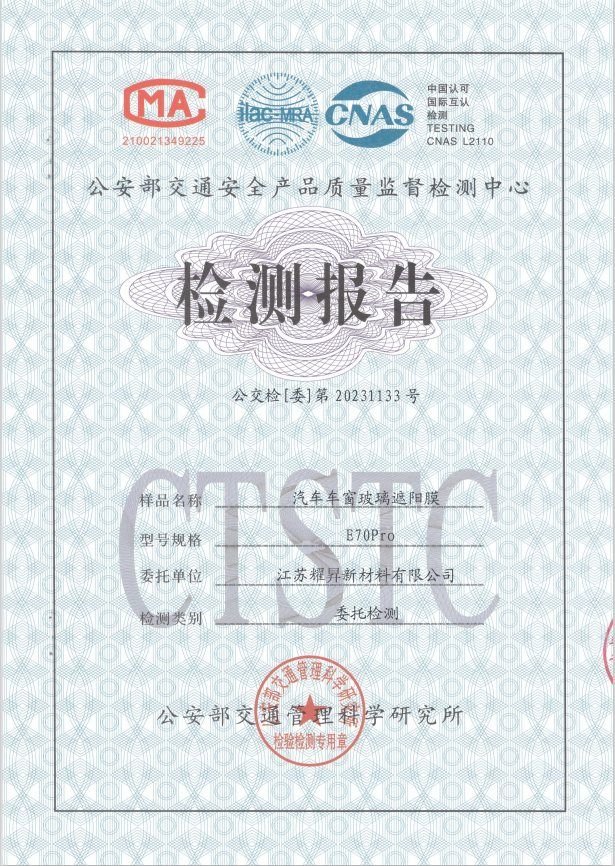
Every number published across this page and the five family pages comes from our own quality centre, which runs more than fifty imported instruments. Raw material, in-process and finished goods are tested at three stages under IATF 16949, and the record stays with the batch. The haze meter below produces the haze column you will see on every family page.
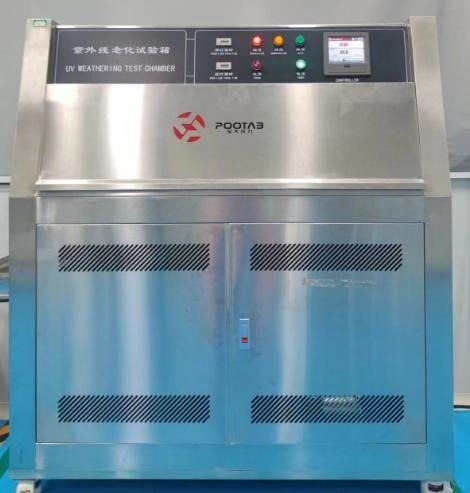
IATF 16949 certification is the one a serious tender asks for first, and the reason we sit inside the BYD and Chery supply systems. Full copies travel with a sample request.
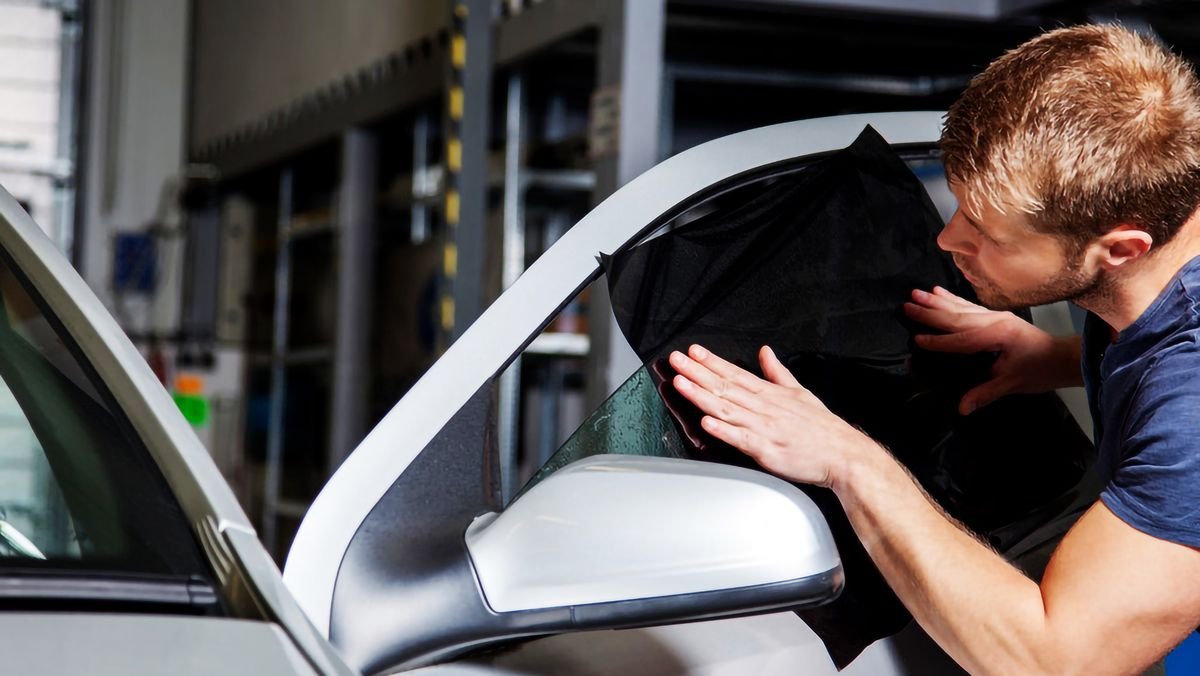
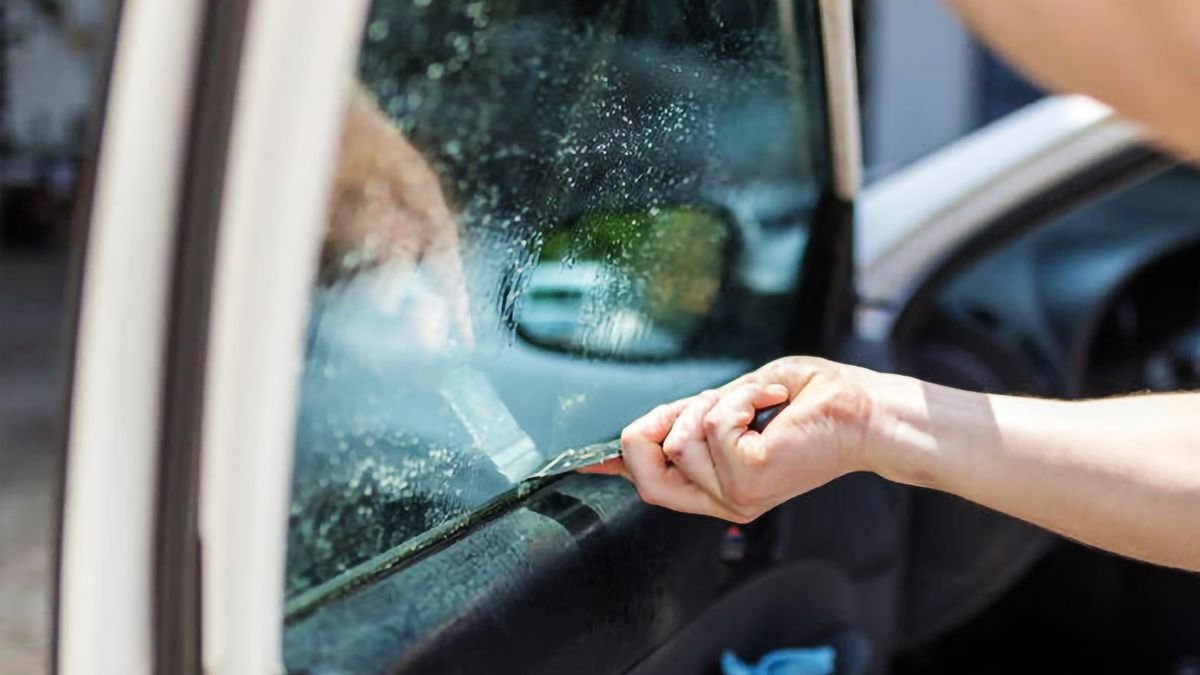
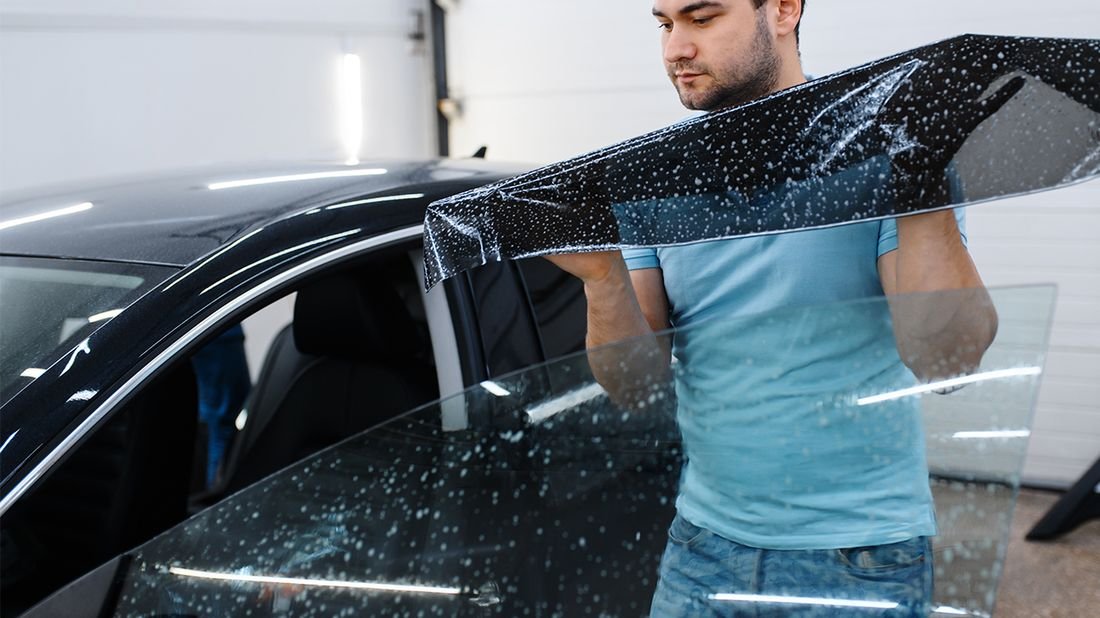
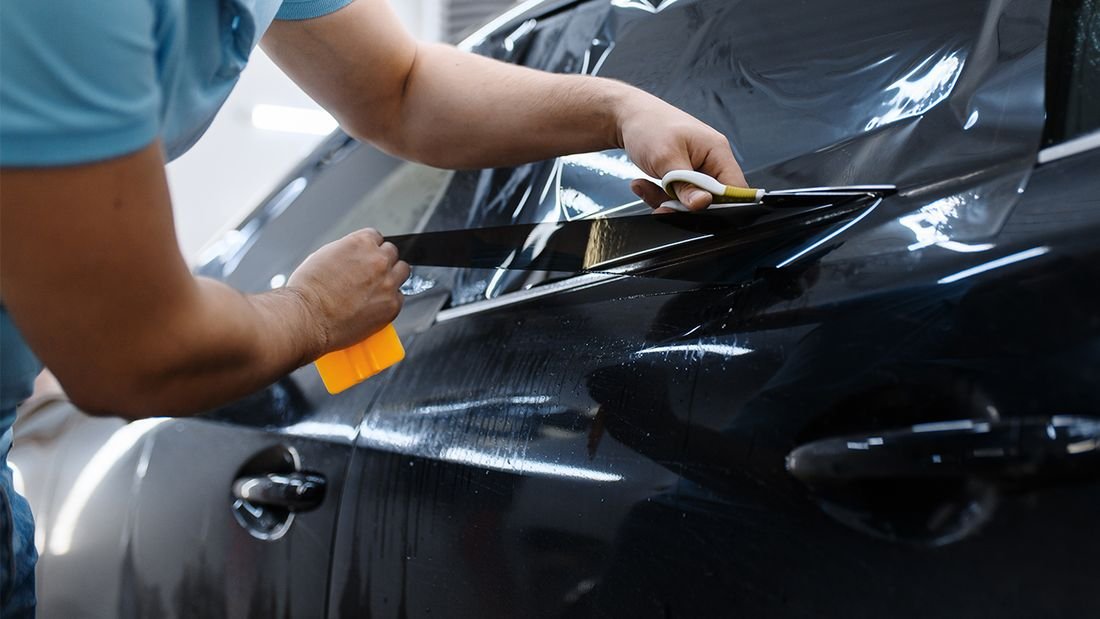
Film quality sets the ceiling; installation decides whether you reach it. This is the sequence our training programme teaches the centres we supply, and the reason a distributor who trains their installers sees fewer warranty claims.
STEP FOUR
Buying direct from the coating plant is what decides whether your second container behaves like your first. These are commitments our order desk is measured against daily, not sales copy — an order report runs every day and anything that misses escalates to the brand lead.
A dedicated follow-up team acknowledges and confirms within six hours of receipt.
Warehouse ships within twelve hours of acceptance and tracks through to signed delivery.
Three precision coating lines, so a trial order and a national launch are both normal here.
Export experience with the documentation, labelling and lead times each market expects.
Safety stock is held a quarter ahead. Roughly 4 million metres of standing inventory across the range, with the production plan adjusted against actual sell-through — so a seasonal spike in your market does not become a six-week gap in your supply. Distributors and installation-centre chains buy from the same price book; private label adds your carton, labels and warranty card on an eight-week schedule.
ONE SUPPLIER, ONE CONTAINER
Window film, paint protection film and colour change film come off the same lines and ship on the same booking. Most distributors who start with tint add a pallet of PPF on the second order.
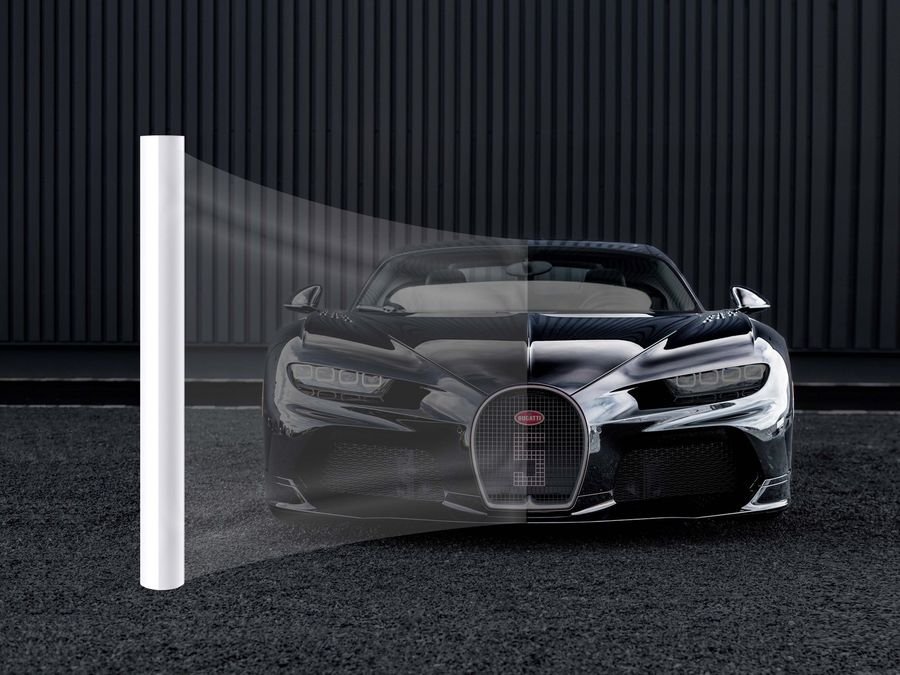
Aliphatic TPU in four gauges from 6.5 to 9.5 mil, self-healing topcoat, 15 m rolls. The highest-margin line in most tint shops.
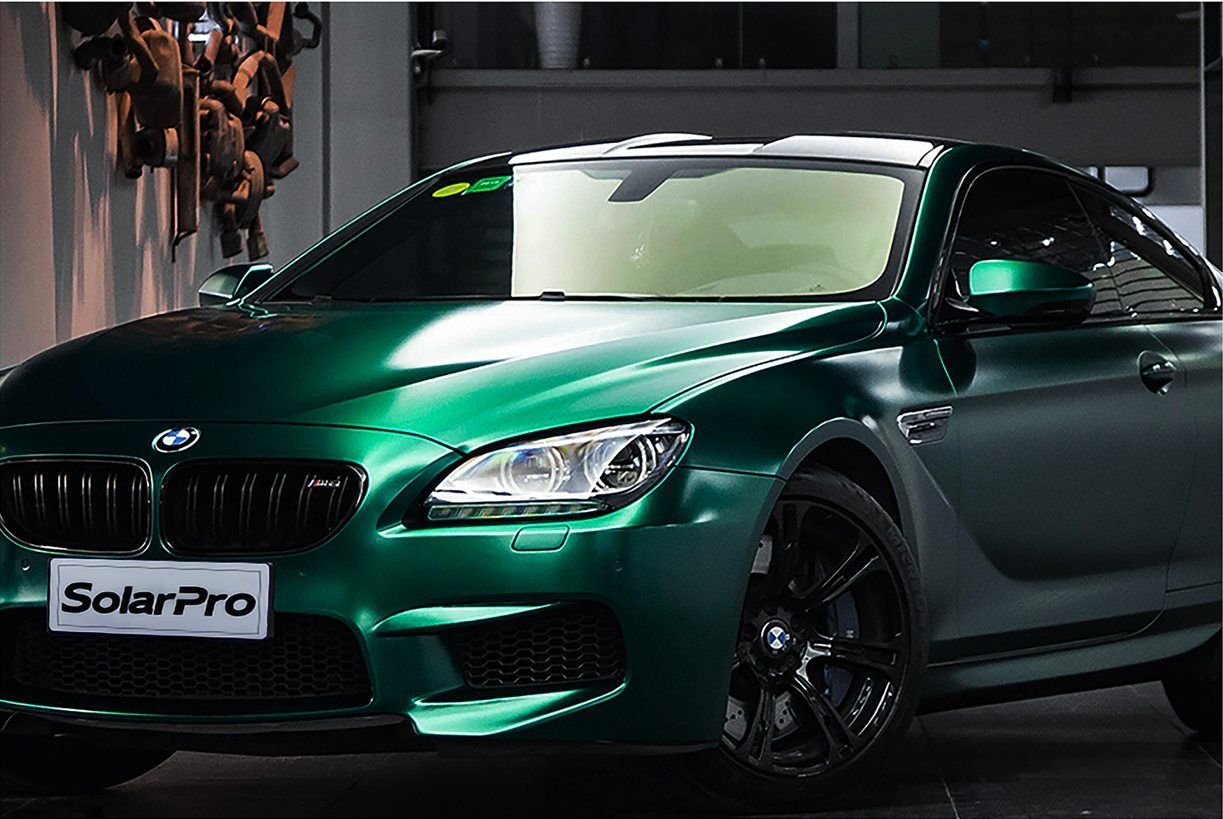
Multi-layer co-extruded pigmented TPU — colour and paint protection in one film, in 45+ gloss, satin and matte shades.
FAQ
Directly from us. We coat the film in our own plant in Xuyi, Jiangsu and sell roll stock to distributors, installation-centre chains and vehicle manufacturers in more than 80 countries. There is no trading company between you and the coating line, which is why we can show you the batch record behind any roll you buy.
Nano ceramic at 70% and 36% VLT covers the widest range of customers between them — one legal on front sides almost everywhere, one the standard rear-glass shade. Add dyed film if you compete on price, and the sputtered run if your buyers compare infrared numbers. Most first containers are a mix of two families.
A 30 m roll covers roughly 12 to 18 cars on side and rear glass, depending on vehicle size, the width you order and how much offcut your cutting method leaves. Plotter-cut patterns waste less than hand-cutting. Tell us the vehicle mix your installers work on and we will recommend a width split.
On a modern car, usually yes — it rejects heat without the signal interference a metallised film causes, and it holds clarity at high VLT. The trade-off is price against dyed film. Nano ceramic window film covers the mechanism and the full model list.
Total solar energy rejection folds visible, infrared and UV into one figure. Our 2025 catalogue publishes VLT, infrared at 950 nm and 1400 nm and UV separately rather than a combined number, so we do not estimate TSER — a figure built on someone else’s weighting is worse than no figure. If a tender needs it certified, name the models and we will have them measured. What is TSER explains the figure.
Not on our range. The ceramic and sputtered families both use nano-ceramic titanium nitride rather than a continuous metal layer, so there is no conductive sheet to act as a partial Faraday shield. Dyed film carries no metal at all. This matters more every model year as vehicles add antennas.
Yes — carton artwork, labels, roll length, core size and the warranty card, on an eight-week schedule from brief to first bulk delivery. Terms are on the private label page.
We coat the film ourselves. Three precision lines sit in our own 6,000 m² cleanroom — coating head at Class 100, other links at Class 1000. That is why we can produce a coating batch record for any roll, and why we passed the BYD and Chery supplier audits.
GET STARTED
Tell us the market you sell into and the shades you move most. We will send physical samples of the families that fit, the measured data behind them, and a quotation against your volume. If you already run a car window tint business and want to compare our film against what you stock, say so and we will send matching shades.
We reply within one working day. Your details are used only to answer this enquiry.
Fill in the form below to book a 30 min no-obligation consulting session.
I will reply within 24 hours.